
Last updated November 23, 2026
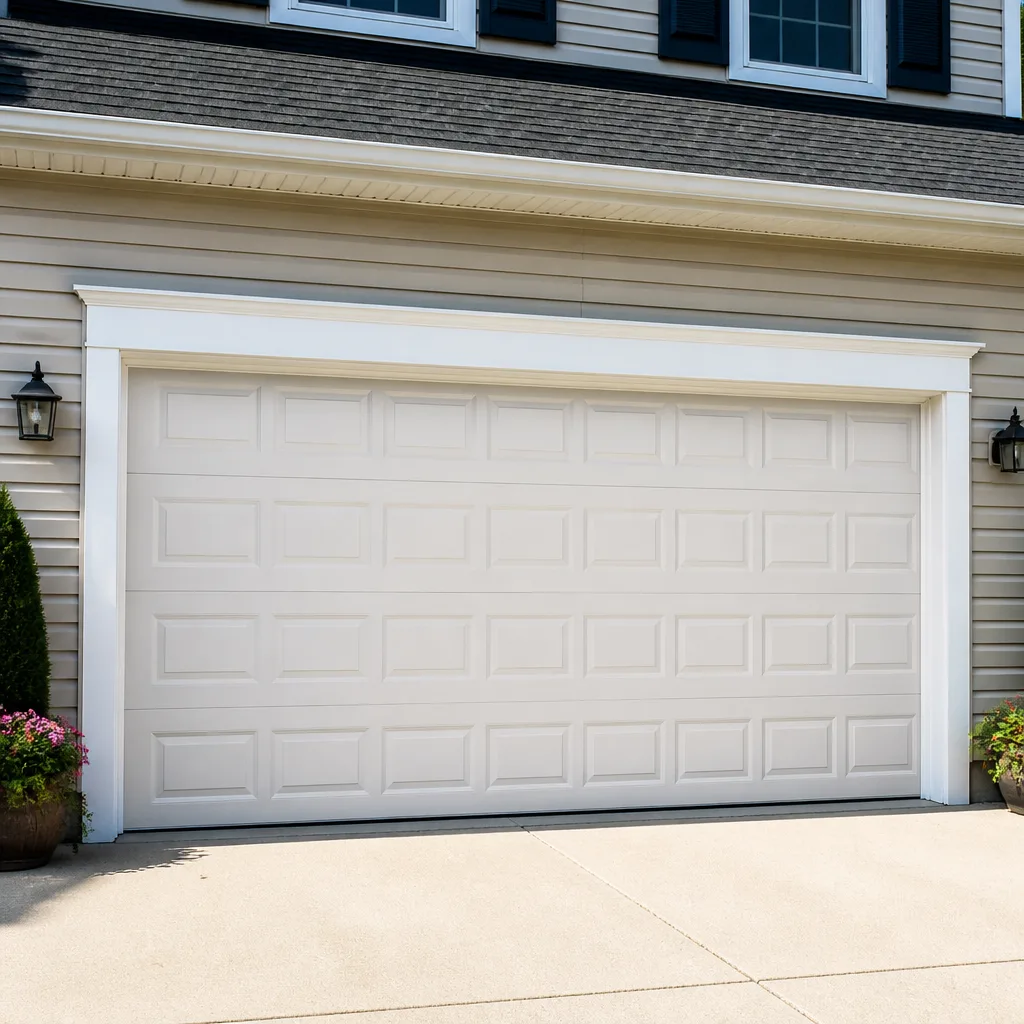 Raised-panel steel
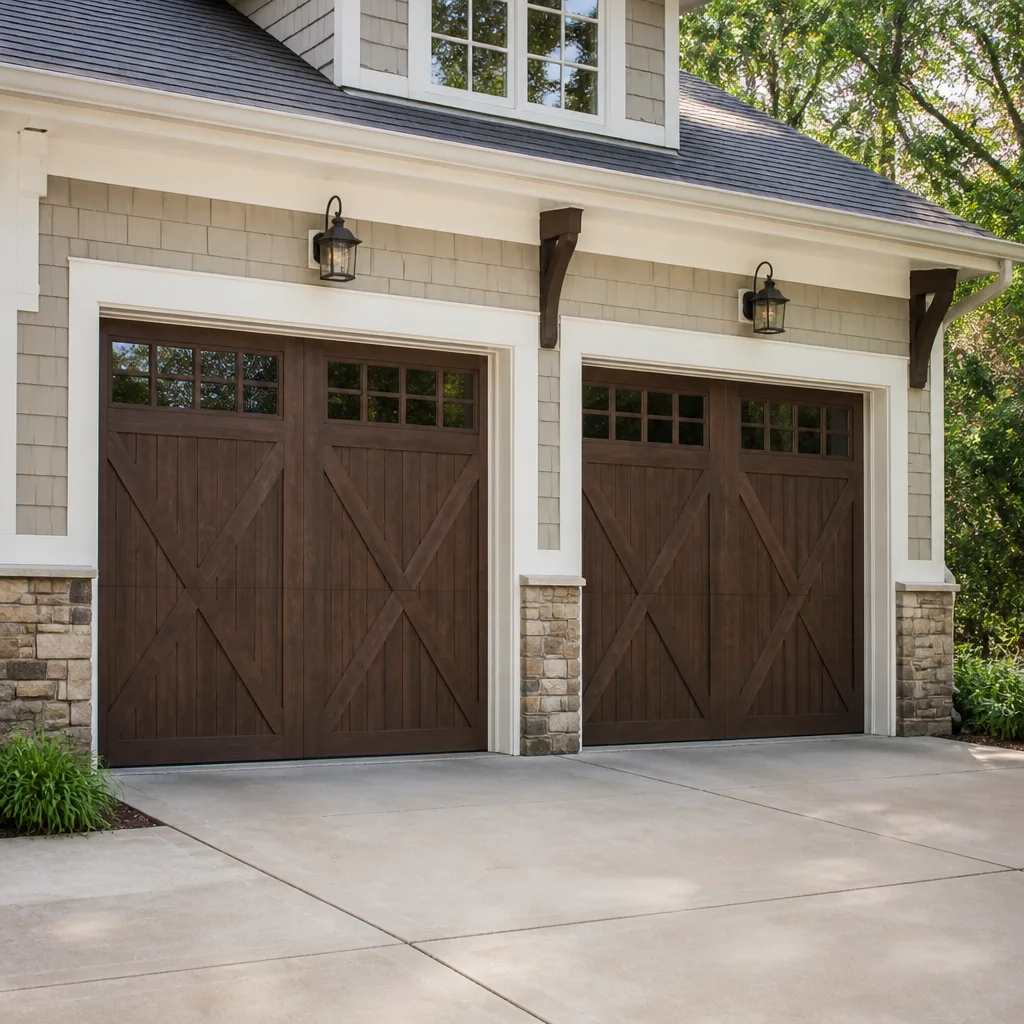 Carriage house
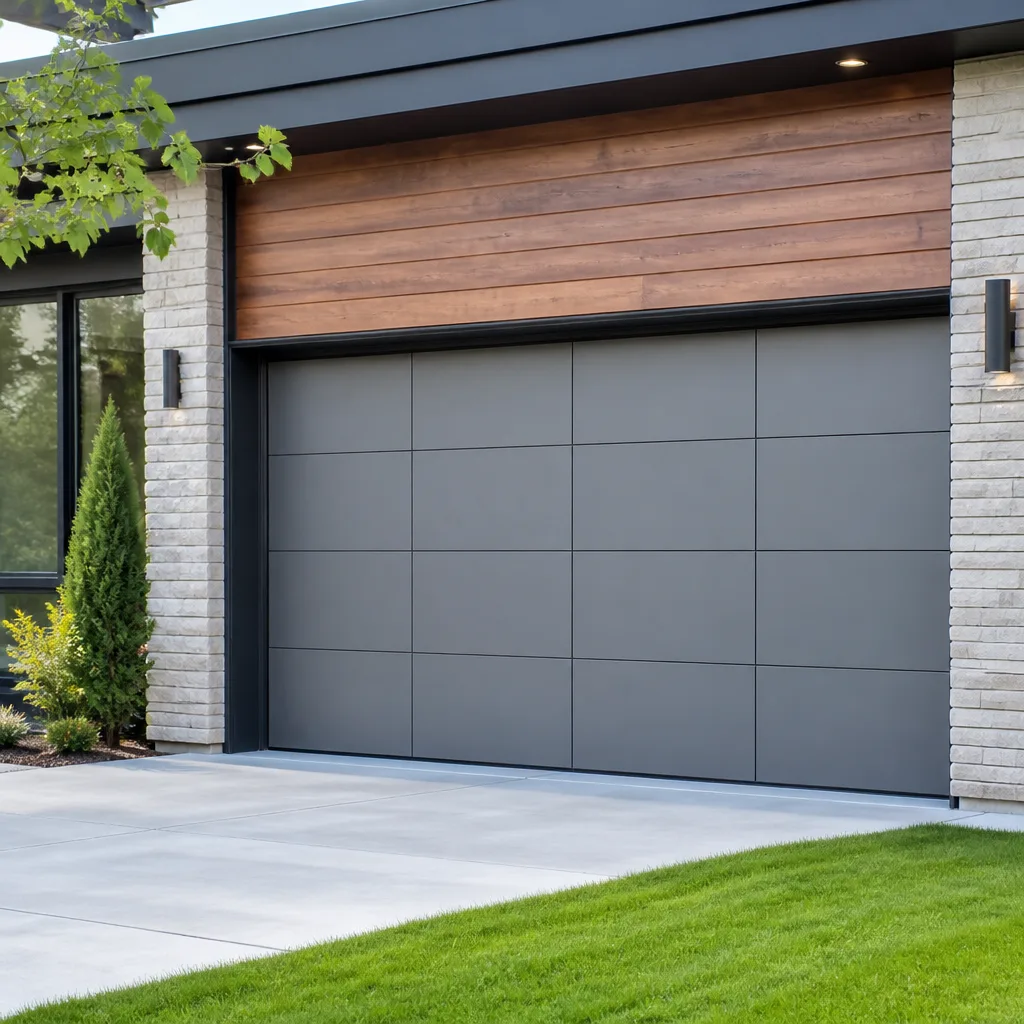 Modern flush
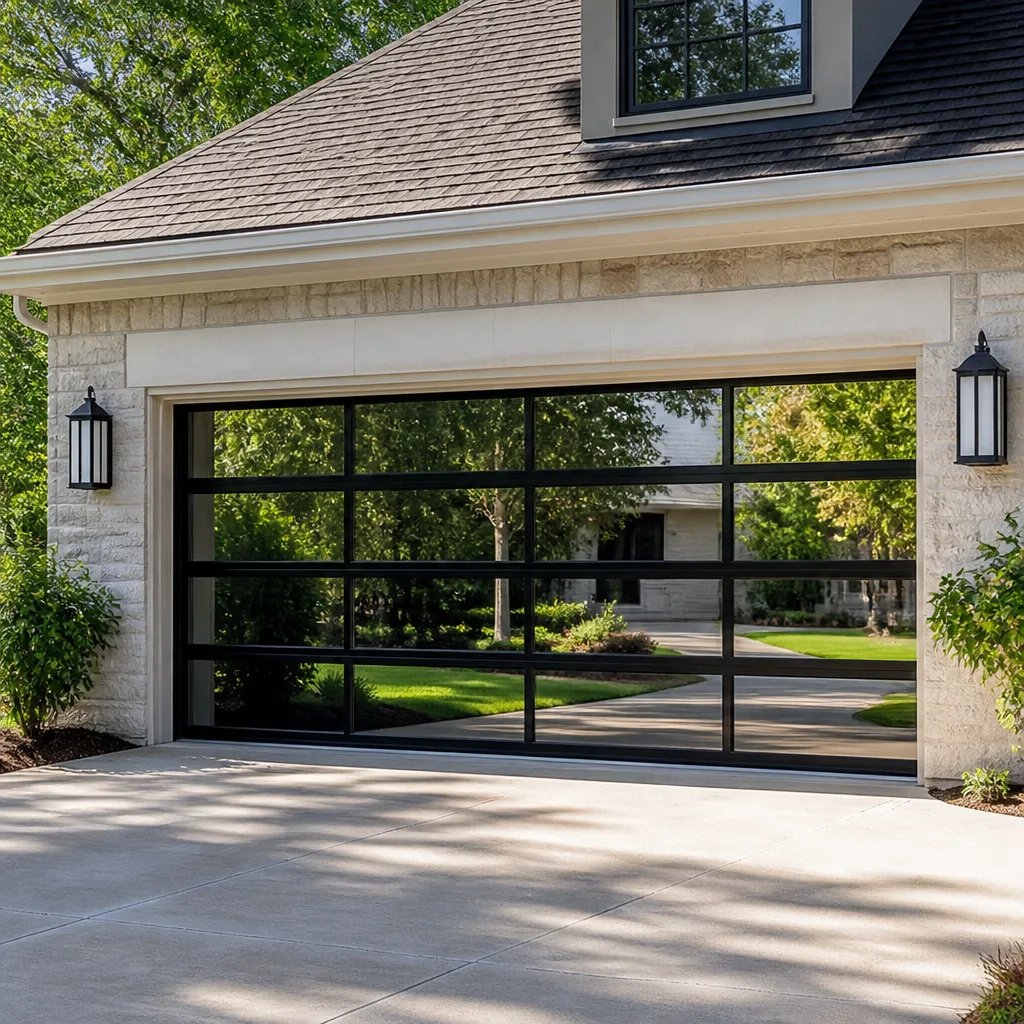 Full-view glass
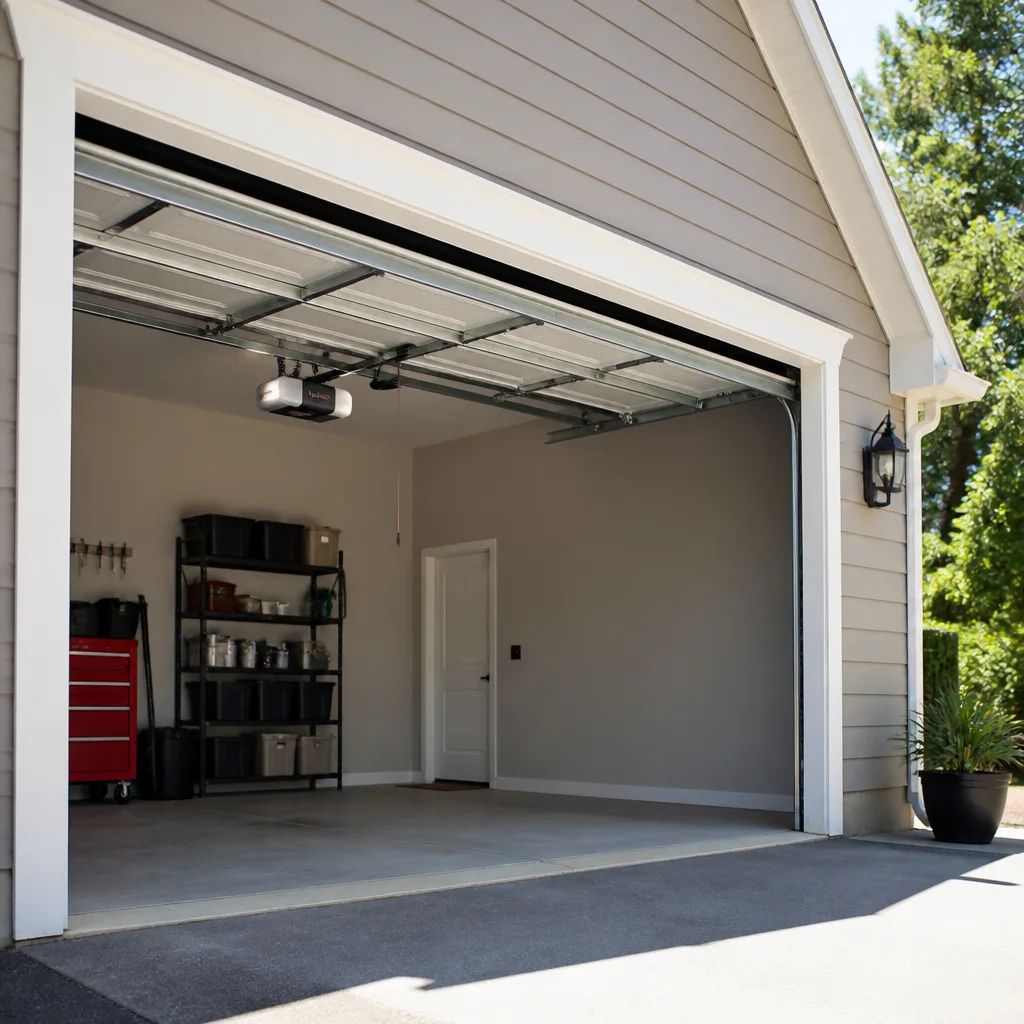 LiftMaster openers
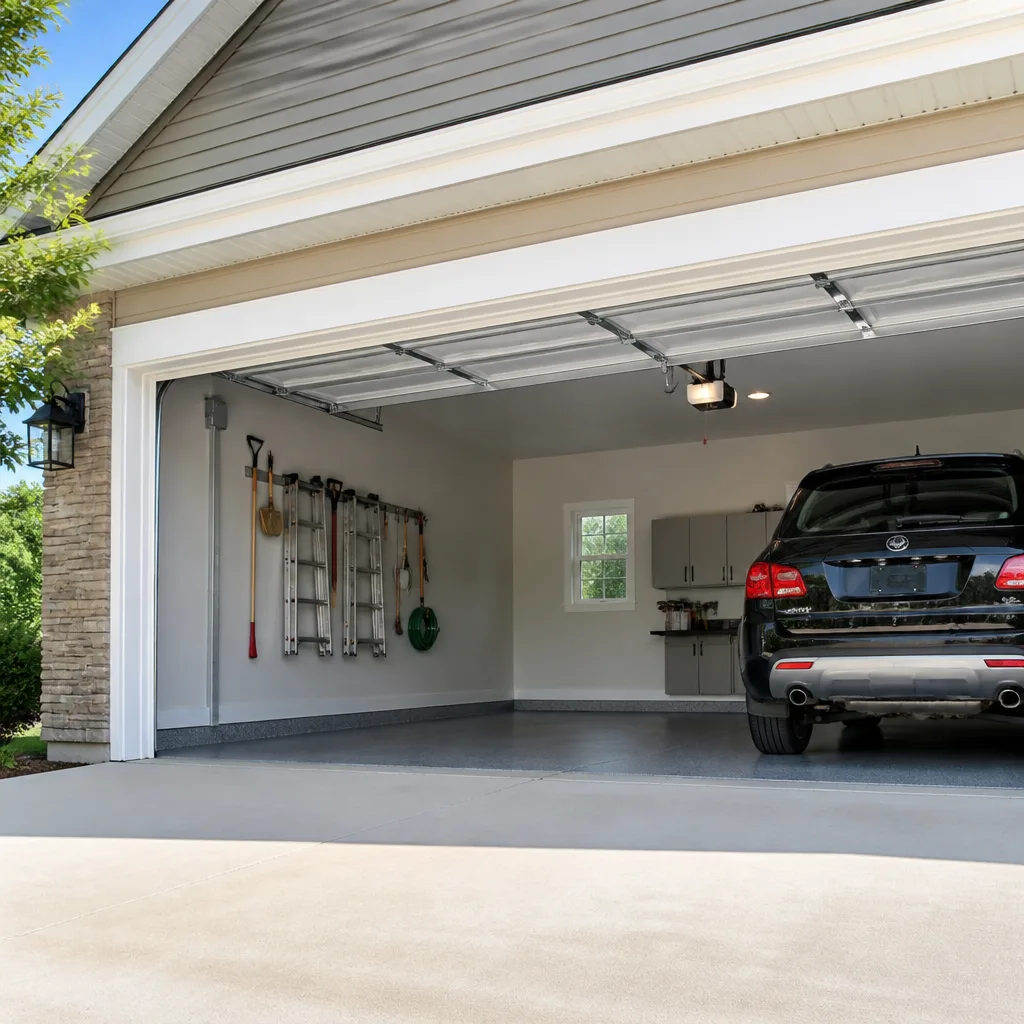 Chamberlain openers
Full 25-point door and opener safety check with every visit - springs, cables, rollers, tracks, and your LiftMaster or Chamberlain opener included
You get a price before we start. It does not change when the pro arrives.
Get your free estimateHow to Hire a Garage Door Contractor in Evanston: A Step-by-Step Guide
Most homeowners start the screening process by asking whether a garage door contractor is licensed. In Illinois, that question doesn’t get you far. The state doesn’t issue a trade license for garage door work, which means the credential you’re picturing doesn’t exist here. The screening has to happen differently, through insurance documentation, brand knowledge, parts depth, and the way a contractor talks about pricing before anyone touches your door. Evanston has no shortage of one-truck operations, and many of them handle a clean spring swap just fine. The trouble shows up on complex installs, brand-specific diagnostics, and anything that requires a part on hand rather than a part on order. This guide walks through the questions that separate a specialist from a generalist so you can tell the difference before you sign anything.
Quick Answer
Hiring a garage door contractor in Evanston comes down to four checks: verify general liability insurance and workers’ compensation coverage in writing, confirm the contractor works on your specific brand, ask whether standard parts like torsion springs and openers are on hand or ordered, and insist on a written estimate that states the price is fixed before work starts. Illinois doesn’t license garage door contractors at the state level, so documentation and brand fluency replace the license check. If a contractor can’t answer brand questions or won’t put numbers in writing, keep looking.
Styles & brands we work with
- Raised-panel steel
- Carriage house
- Modern flush
- Full-view glass
- LiftMaster openers
- Chamberlain openers
Table of Contents
- Why the License Question Doesn’t Work in Illinois
- What Credentials and Insurance Documents Actually Matter
- How to Verify a Contractor Knows Your Brand
- Why Three Quotes Usually Backfire
- Red Flags Specific to the North Shore Market
- How to Judge Parts Inventory Depth
- The Spring Repair Conversation You Should Have
- How Evanston Weather Affects Your Door
Why the License Question Doesn’t Work in Illinois
Illinois doesn’t license garage door contractors at the state level. There’s no state board issuing a garage door credential, no license number to look up, and no exam specific to the trade. Anyone who tells you otherwise is either confused about how licensing works in this state or hoping you won’t check. Homeowners in Evanston who call a contractor and lead with “are you licensed?” often get a confident yes that means nothing, because the honest answer is that the state doesn’t offer that license to hold.
That changes the screening process from a single lookup to a short list of verifications. What actually protects you:
- General liability insurance. Ask for a certificate of insurance naming the business. If a panel gets dropped or a track tears out of the wall, liability coverage is what stands between you and the repair bill.
- Workers’ compensation coverage. If someone is injured on your property and the contractor has no workers’ comp, the exposure can land on you as the homeowner. Ask directly.
- Written estimates. A contractor who will put the scope and price in writing is a contractor with nothing to hide.
- Local references or reviews you can read. In Evanston, word of mouth still carries weight, and review patterns tell you more than any badge.
- Willingness to answer questions. A legitimate operation doesn’t get defensive when you ask for a COI. A one-truck operation without coverage often does.
One honest note about local requirements: many cities regulate garage door work through general building permits rather than a trade license, and permit rules vary by project type. If your job involves structural changes, a new opening, or anything beyond a like-for-like replacement, ask Evanston’s building department whether a permit applies before the work begins. A contractor who shrugs off that question is telling you something.
During our years working Evanston door failures, the pattern is consistent: the jobs that go wrong aren’t the ones where the homeowner asked too many questions. They’re the ones where nobody asked any.
What Credentials and Insurance Documents Actually Matter
Since the state license doesn’t exist, insurance is the credential that does the work. Here’s what to ask for and how to read what you’re given.
- Request a certificate of insurance (COI) before the appointment. It should show general liability coverage and name the business you’re hiring. A COI is a standard document; any established contractor can produce one quickly.
- Check the dates. An expired certificate protects no one. Confirm the policy is current.
- Ask about workers’ compensation separately. General liability and workers’ comp are different policies. Coverage for property damage doesn’t cover an injury to a worker.
- Match the business name to the estimate. The name on the COI, the name on the written estimate, and the name you’re paying should line up. When they don’t, ask why.
- Keep the paperwork. Hold onto the COI and the written estimate until the job is done and you’ve inspected the work.
Beyond insurance, ask about technician experience in terms of what it covers, not just how long it is. A technician with years of experience on a narrow slice of the work is not the same as one who has serviced hundreds of doors across multiple brands. Our technicians have up to 9 years of experience spanning the full range of residential work: springs, cables, tracks, panels, and opener systems across eight major manufacturers. That range matters when the diagnosis isn’t obvious.
One more document worth asking about: the warranty. Get the warranty terms in writing and read them before you agree to the job, not after. More on that below.
How to Verify a Contractor Knows Your Brand
Brand fluency is the single best proxy for real experience, and it’s easy to test. Every major residential brand has its own quirks in spring sizing, track geometry, opener logic, and part compatibility. A contractor who knows your system will answer brand questions specifically. A generalist will answer generally.
The questions to ask before booking:
- “What brand and model is my opener, and what should I expect from it?” A LiftMaster or Chamberlain owner should hear about the specific drive type and the parts that fail first on that system. Vague answers about “openers in general” are a warning sign.
- “Do you stock parts for my brand, or will you order them?” Standard torsion springs, cables, rollers, and common opener components should be on hand for most major brands. If the answer is always “we’ll order it,” you’re talking to someone without parts depth.
- “Have you worked on this brand before?” Name your brand and listen for a specific response. Craftsman and Wayne Dalton systems come up constantly in Evanston’s older housing stock, and a contractor who works this market should recognize them without hesitation.
- “What’s the typical failure point on my model?” A specialist answers this readily. Raynor doors, for example, have their own hardware particulars, and someone who has serviced them knows what tends to go first.
- “Can you service both the door and the opener?” Some contractors only handle the door assembly and hand off opener work, or the reverse. That gap means a second call and a second diagnosis when the problem spans both.
Wrong answers to watch for: “We work on all brands” with no specifics following it. “We’ll figure it out when we get there” as a first response to a parts question. And any answer that treats your brand as interchangeable with every other. If you need a second opinion on a repair diagnosis, garage door repair covers what a proper diagnosis looks like.
Why Three Quotes Usually Backfire
The three-quote rule makes sense for a kitchen remodel. For garage door work, it often makes the decision harder rather than clearer. Here’s why: door work is priced on parts and labor with relatively little room for scope variation, so three quotes on the same job tend to cluster close together. When one comes in dramatically lower, that gap usually reflects a difference in the part being installed, the warranty behind it, or what’s included in the price, not a better deal. And chasing three appointments takes days you may not have if the door won’t close.
What to compare instead:
- The written scope. Does the estimate name the part, the brand, and what’s being replaced? “Spring replacement” is not a scope. “Two torsion springs, matched pair, plus cables inspected” is.
- What’s included. Balancing, safety checks, and haul-away should be spelled out. Ask what happens if the technician finds a second problem mid-job and how that changes the price.
- The warranty language. Parts and labor warranties are usually separate. Ask how long each runs and what voids them.
- Who answers the phone and who shows up. A contractor who can’t tell you who will be at your door is a contractor with a scheduling problem waiting to happen.
- The parts answer. A contractor with the part on hand can finish the job in one visit. A contractor who has to order it may not.
In Evanston, the practical alternative to three quotes is one thorough quote from a contractor you’ve screened properly, plus the willingness to walk away if the estimate is vague. If the job is urgent and the door isn’t secure, one good call beats three appointments. Evanston Garage Door Repair Co answers the phone and can talk through what the job likely involves before anyone is scheduled.
Red Flags Specific to the North Shore Market
Evanston sits in a market with a lot of small operators and a lot of older housing stock, and that combination produces a few predictable patterns. These are the ones worth recognizing.
Bait-and-switch spring pricing. A quoted spring price that’s far below the rest of the market, followed by an on-site revision once the technician sees the door. Ask upfront whether the quoted price is the price, and ask for the quote in writing. The written estimate should set the final price before work starts. If the number moves after the technician arrives without a visible reason, that’s the pattern.
Unnecessary opener upsells. A failed opener isn’t automatically a replacement. Some failures are a gear, a logic board, a safety sensor, or a remote pairing issue, all of which are repair jobs. When a contractor jumps to “you need a new opener” before diagnosing, ask what the actual failure is and whether repair is an option. The same logic applies to doors: plenty of doors that get quoted for replacement can be repaired. For opener-specific work, garage door opener repair is worth reading before you agree to a swap.
Vague warranty language. “Guaranteed” with no terms is not a warranty. Ask for parts warranty length, labor warranty length, and what voids either. Get the answer in writing.
“We’ll be there sometime.” A contractor who won’t commit to a window is a contractor who may not show. Ask for an arrival window before you book.
No insurance documentation. Back to the first section. In a market without a state license, the COI is the check.
Pressure to decide on the spot. Legitimate work doesn’t require a same-minute decision. A written estimate you can read over is the normal way this goes.
How to Judge Parts Inventory Depth
Here’s a test that separates specialists from generalists faster than any other: ask whether the contractor has a standard torsion spring for your door size on hand. A technician who has to order a standard torsion spring is not a specialist. Standard springs, cables, rollers, hinges, and common opener components are the everyday stock of a real door operation. When a standard part has to be ordered, either the operation is thin or the “contractor” is a middleman who subcontracts the actual work.
What to listen for:
- Standard parts, on hand. Springs, cables, rollers, hinges, and common opener components for the major brands.
- Brand-specific parts, either on hand or with a clear lead time. Panels and branded hardware take longer, and a good contractor will tell you the real lead time upfront rather than promising next-day on everything.
- An honest split between stocked and ordered. No contractor stocks every possible panel for every brand. What matters is that the everyday failure parts are stocked and the special-order parts come with a realistic timeline.
- The diagnosis follows the parts. A contractor who matches the part to your door’s actual size and brand before quoting is doing it right. A one-size quote for a door of unknown size is a guess.
Parts depth also determines whether your job finishes in one visit. A door that needs a standard spring and cable can usually be back in service the same day when the parts are on hand. A door that needs a special-order panel becomes a scheduling conversation, and no honest contractor can promise otherwise. That’s why the parts question comes before the price question in Evanston, especially on older doors where the hardware has been replaced piecemeal over the years.
The Spring Repair Conversation You Should Have
Torsion spring repair is the most hazardous routine job in residential maintenance, and manufacturers explicitly warn against DIY attempts. A wound torsion spring stores a large amount of energy, and releasing it without the right tools and training has caused serious injuries. When you hire for spring work, you’re hiring a safety procedure as much as a repair, and the conversation should sound like it.
Ask these questions when spring work is on the table:
- “Is this a torsion or extension spring system?” The two have different failure modes and different repair procedures. A contractor who doesn’t distinguish them is not qualified for the job.
- “Should both springs be replaced together?” Springs in a matched pair usually fail close in time, so replacing the pair together is common practice. Ask what they recommend and why.
- “What caused this spring to fail?” Cycle life, door weight, and balance all matter. A door that’s out of balance will keep eating springs until the balance is corrected.
- “What safety inspection comes with the spring replacement?” Cables, drums, bearings, and the bottom bracket should all get a look while the door is apart.
- “Will the price be fixed before work starts?” The answer should be yes, in writing.
If a spring has broken, don’t operate the door. A door with a broken spring can drop, and the opener will strain to lift a door it wasn’t designed to move. Keep it closed if you can, and call for service. For a fuller walkthrough of what spring work involves, garage door spring repair covers the procedure and the safety reasoning behind it.
How Evanston Weather Affects Your Door
Evanston’s climate puts a specific kind of wear on garage doors that homeowners in milder regions don’t see. Freeze-thaw cycles through the winter work on the bottom seal, the weatherstripping, and the door’s balance. A door that ran smoothly in October can bind in January because the wood or steel has moved slightly with the moisture and temperature swings. Springs that were already near the end of their cycle life tend to fail in the cold, when the metal is more brittle and the door is heavier to lift.
What that means for hiring:
- Ask about winter performance. A contractor who works Evanston doors should be able to talk about how the cold affects balance and seals.
- Ask about seasonal checks. A balance check and a seal inspection in late fall can catch the failures that would otherwise show up in January.
- Ask what the door is rated for. Wind and weather ratings matter here, and a contractor who installs for this market should know which doors hold up.
- Ask about drainage and grade. Water pooling at the door’s base is a common cause of panel and track deterioration, and it’s worth asking whether the grade or drainage around your opening needs attention.
If the door is older and the diagnosis ends in replacement rather than repair, the same climate factors should shape what goes back in. The new door should be rated for the local weather, sealed properly, and balanced with springs sized to its actual weight rather than to the old door’s. That’s a conversation worth having before the order is placed, not after.
Common Mistakes to Avoid
- Leading with “are you licensed?” and accepting a yes. Illinois doesn’t license garage door contractors at the state level, so a yes without documentation is meaningless. Ask for the COI instead.
- Skipping the workers’ comp question. General liability covers property damage; workers’ comp covers injuries. You need to know both are in place before someone gets on a ladder at your Evanston home.
- Treating a low quote as a good deal. A price far below the range usually means a different part, a shorter warranty, or a revision on arrival. Ask what’s included before you compare numbers.
- Letting a technician diagnose an opener as “needs replacing” without a specific failure. Ask what failed and whether repair is an option before you agree to a swap.
- Accepting “we’ll order the part” on a standard spring. Standard parts should be on hand. If they aren’t, you’re paying for a middleman’s scheduling problem.
- Signing off on a verbal quote. Get the scope, the price, and the warranty in writing before any work starts. The written estimate is what sets the final price.
- Waiting until the door won’t close to act. A door that’s binding, noisy, or slow is telling you something. A balance check before the cold sets in beats an emergency call in January.
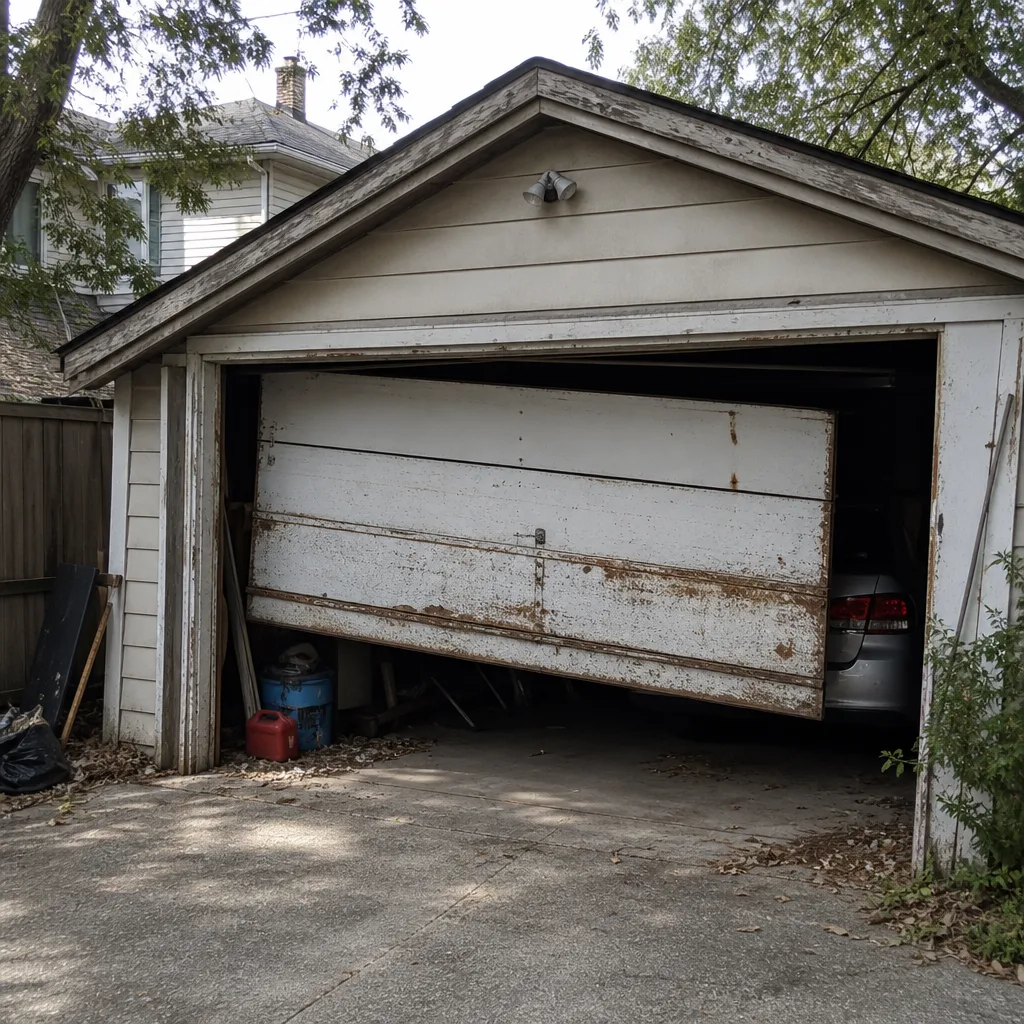
See the difference
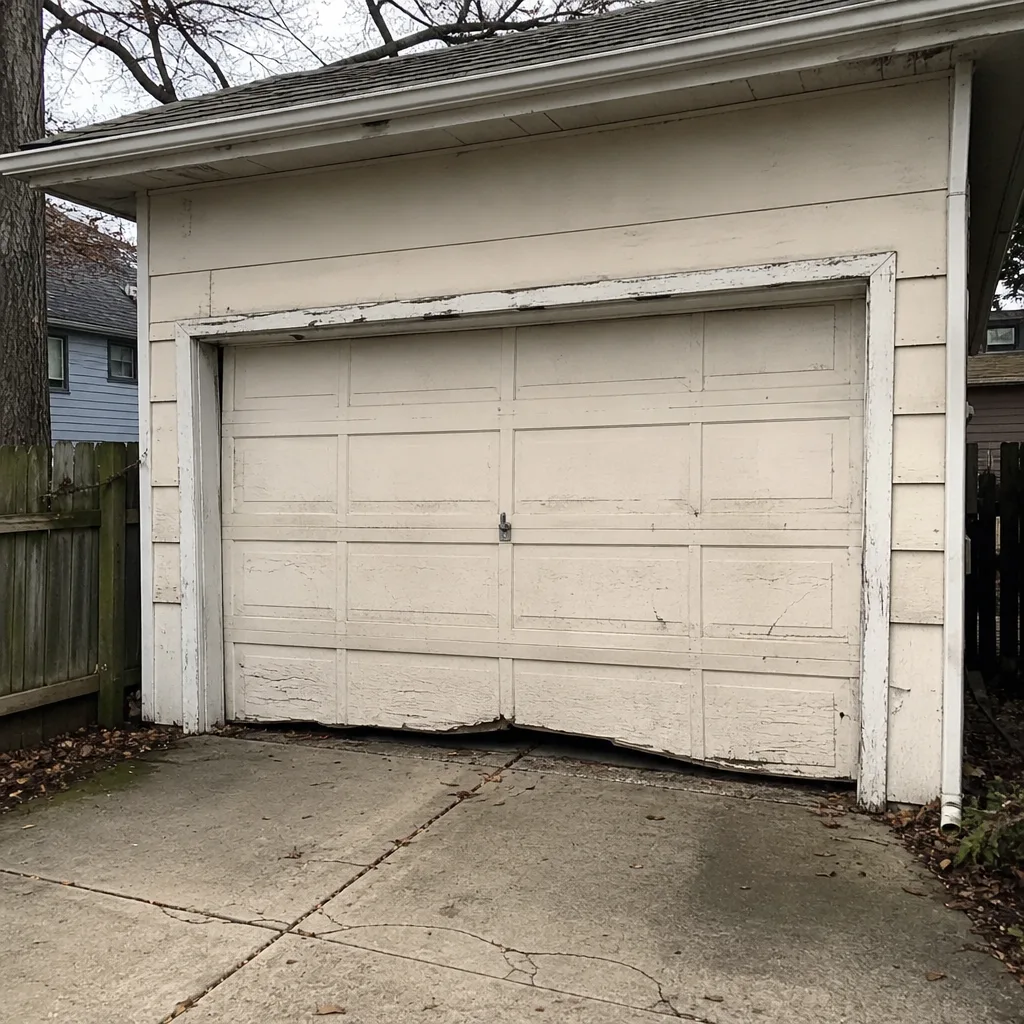 Before
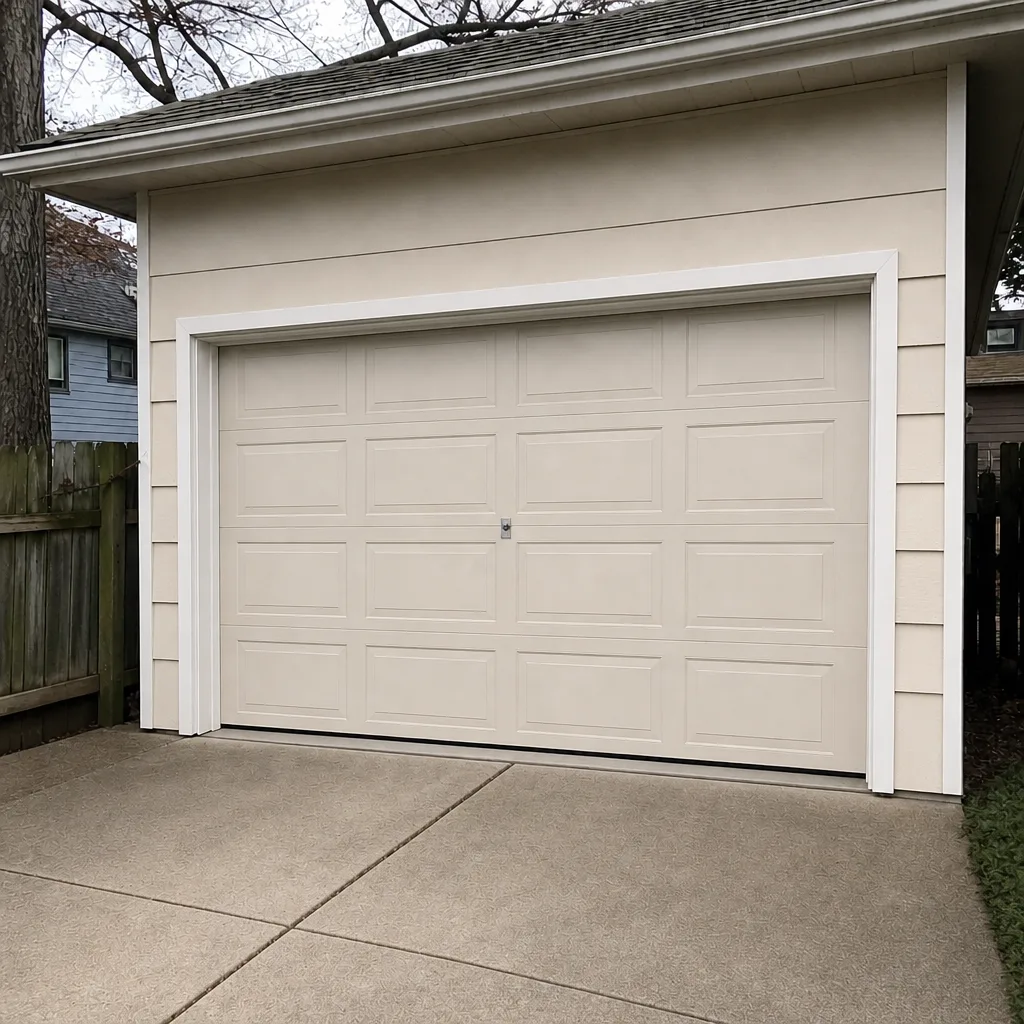 After
 Before
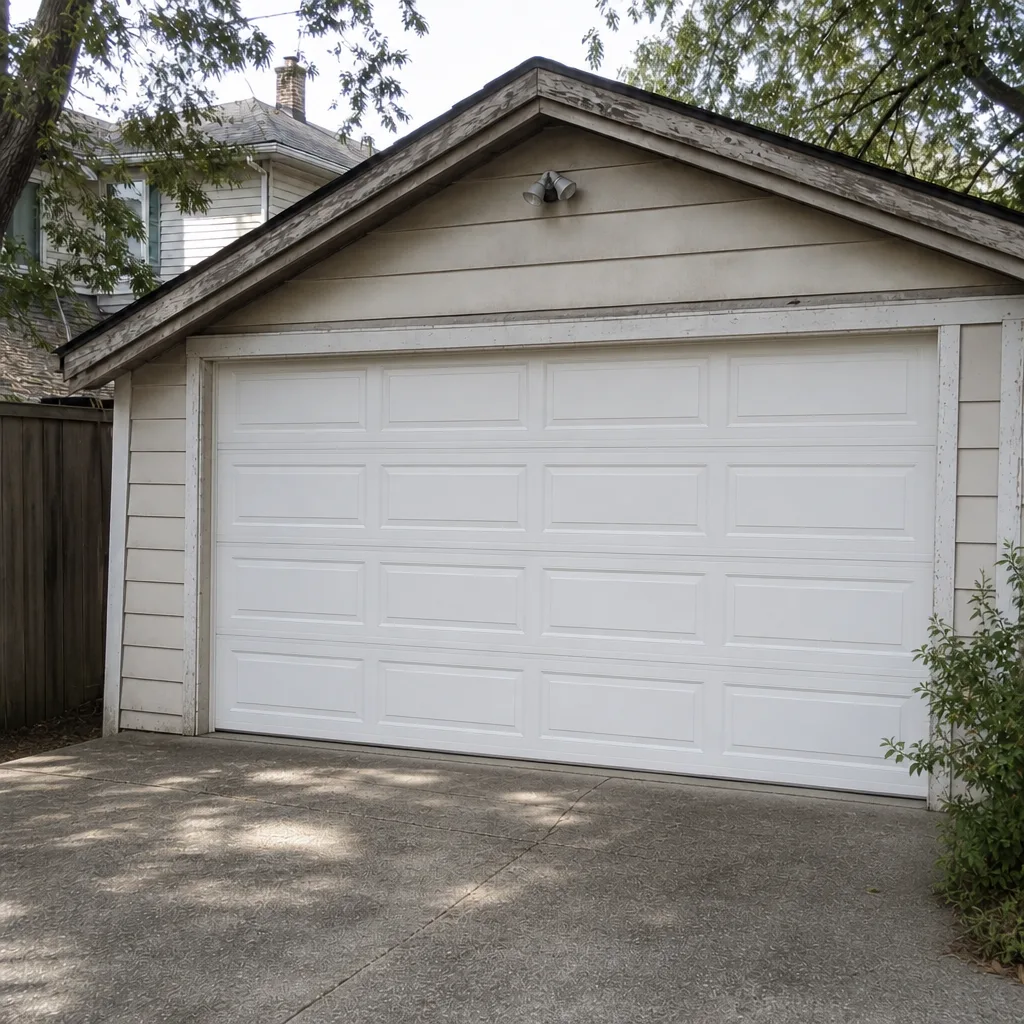 After
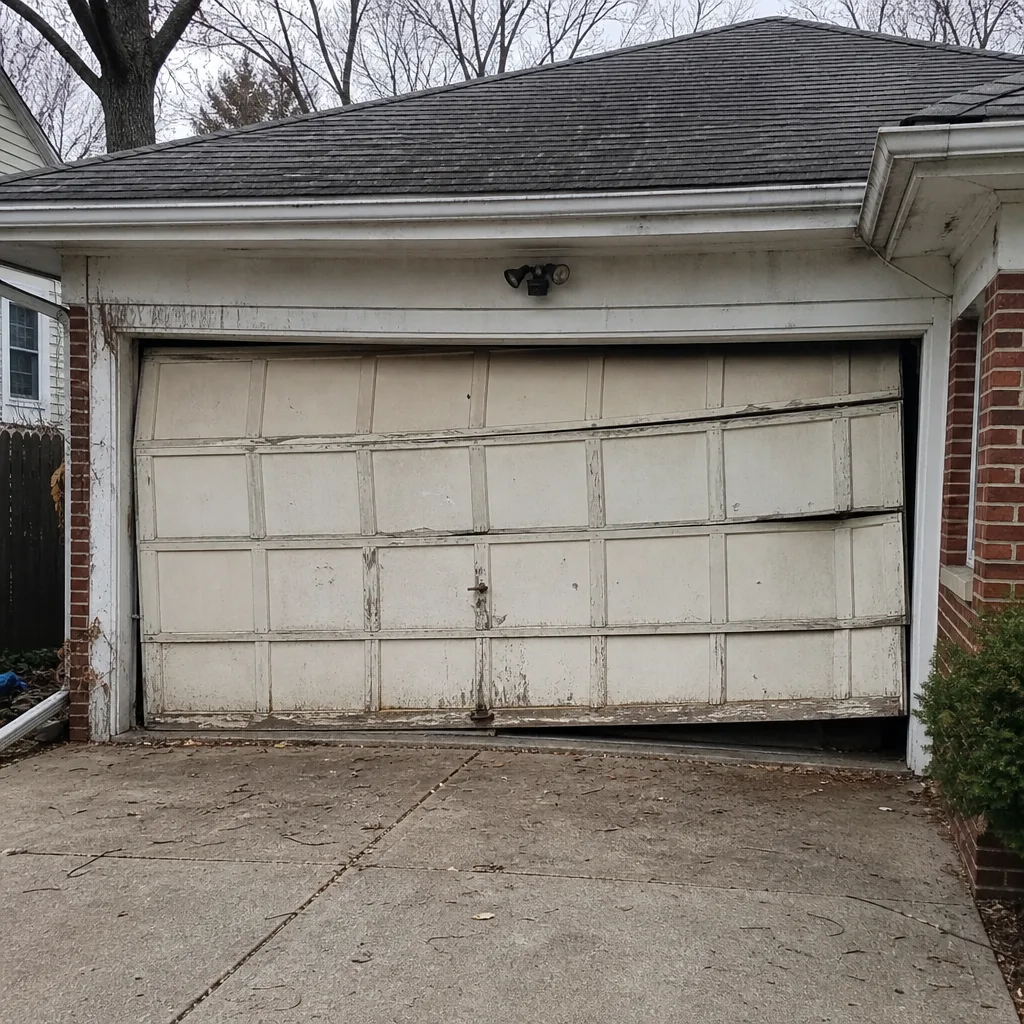 Before
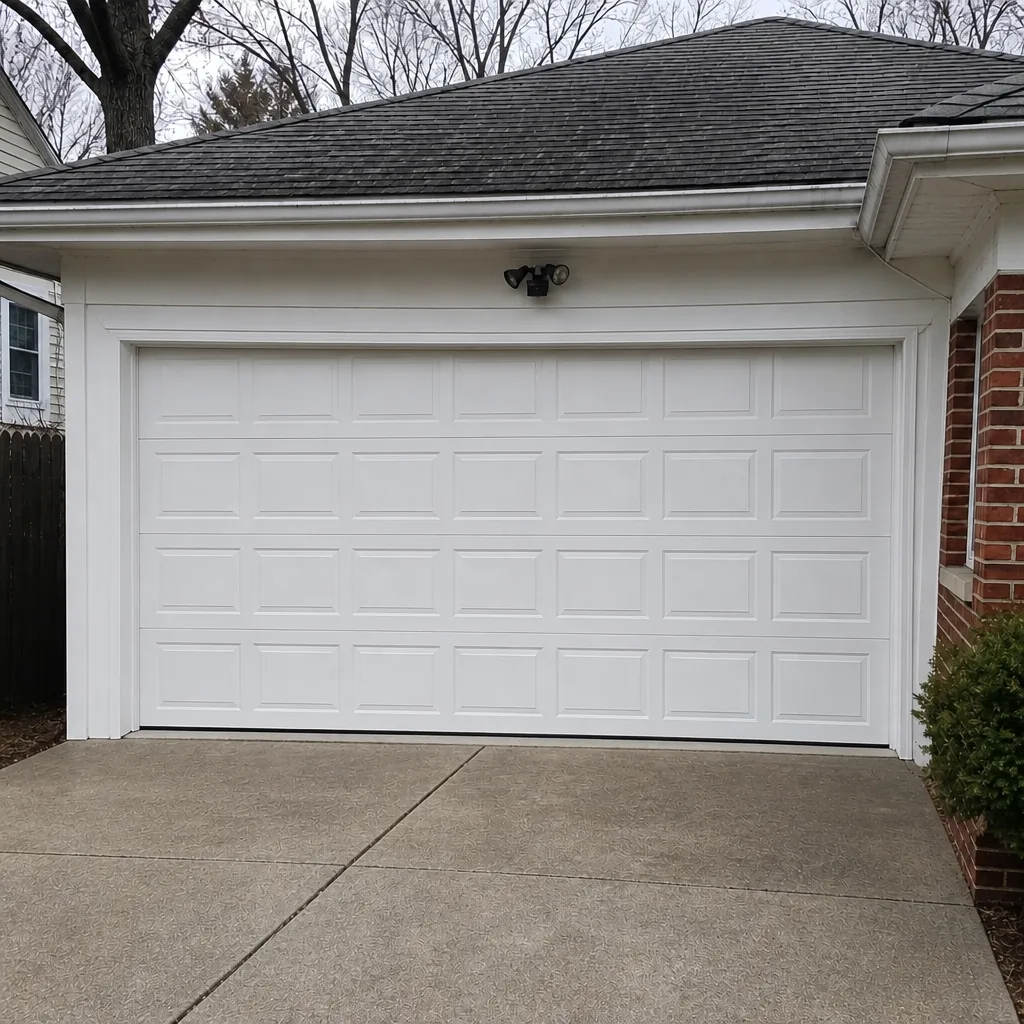 After
When to Call a Professional
Some door problems are scheduling inconveniences; others are safety or security issues that shouldn’t wait. Call a professional if a spring has broken, if the door has come off its track, if the cables are frayed or slack, if the opener runs but the door doesn’t move, or if the door has become unbalanced enough to drift or slam. Those are the ones where a trained technician with the right tools is the only safe path. Call for the routine ones too: a door that’s noisy, a remote that won’t pair, a seal that’s failing. Catching those early is cheaper than catching them after a failure. If the door won’t close and the house isn’t secure, treat it as urgent.
Evanston Garage Door Repair Co offers free estimates in Evanston – call (877) 492-2506. We answer 24/7. Fast dispatch from 7am to 7pm, Sunday through Friday, and we’re closed Saturday. During our years working Evanston doors, we’ve learned that the best estimate is the one nobody has to revise.
Frequently Asked Questions
No. Illinois doesn’t license garage door contractors at the state level, so there’s no state credential to verify. Replace the license check with insurance documentation: ask for a certificate of general liability insurance and confirm workers’ compensation coverage. Ask for both in writing, and keep them with your estimate until the job is done. Call (877) 492-2506 for a free estimate.
Spring repair in Evanston typically runs in the low hundreds per spring, with a matched pair costing roughly twice a single spring. The exact price depends on the spring type, door weight, and whether cables or other parts need replacing. The written estimate sets the final price before work starts, so ask for it in writing. Call (877) 492-2506 for a free estimate on your door.
No. Manufacturers explicitly warn against DIY spring replacement because a wound torsion spring stores a large amount of energy and releasing it without the right tools has caused serious injuries. This is the one part of garage door work where the safety margin is thin enough that a trained technician with proper equipment is the only sensible option. Call (877) 492-2506 to schedule a spring repair.
Ask brand-specific questions and listen for specific answers. Name the brand and model of your opener and ask what the typical failure point is, whether parts are on hand, and whether the same visit can cover both the door and the opener. A contractor who works Evanston doors regularly should recognize common brands without hedging. Call (877) 492-2506 and we’ll tell you directly whether we service your system.
Usually not. Door work is priced on parts and labor with little room for scope variation, so three quotes tend to cluster and the outlier is more often a different part or a shorter warranty than a better deal. Get one thorough written quote from a screened contractor, compare the scope and warranty terms, and walk away if the estimate is vague. Call (877) 492-2506 for a free estimate.
For repair calls, same-day service is often possible. We answer 24/7, and dispatch runs 7am to 7pm, Sunday through Friday; a call outside those hours is booked into the next opening. If the door is stuck open and the house is exposed, treat it as urgent and call. New door installation and full replacement are measured and scheduled, not same-day. Call (877) 492-2506.
The Bottom Line
The right garage door contractor in Evanston isn’t the one with the best badge or the lowest quote. It’s the one with current insurance documents, brand-specific knowledge, standard parts on hand, and a written estimate that holds its number. Skip the state license question because there’s no license to check, and spend that time on the COI, the parts question, and the warranty language. Compare scope, not sticker price. And if a spring has broken or the door has come off its track, treat it as a safety call, not a scheduling one. The right questions take ten minutes and save a lot of regret.
Ready to get a straight answer on your door? Call Evanston Garage Door Repair Co at (877) 492-2506 for a free estimate. We answer 24/7. Fast dispatch from 7am to 7pm, Sunday through Friday. We’re closed Saturday, and a call outside dispatch hours is booked into the next opening. The price is quoted and agreed before any work starts, and the written estimate sets the final price.
Written by the team at Evanston Garage Door Repair Co.