
Last updated November 23, 2026
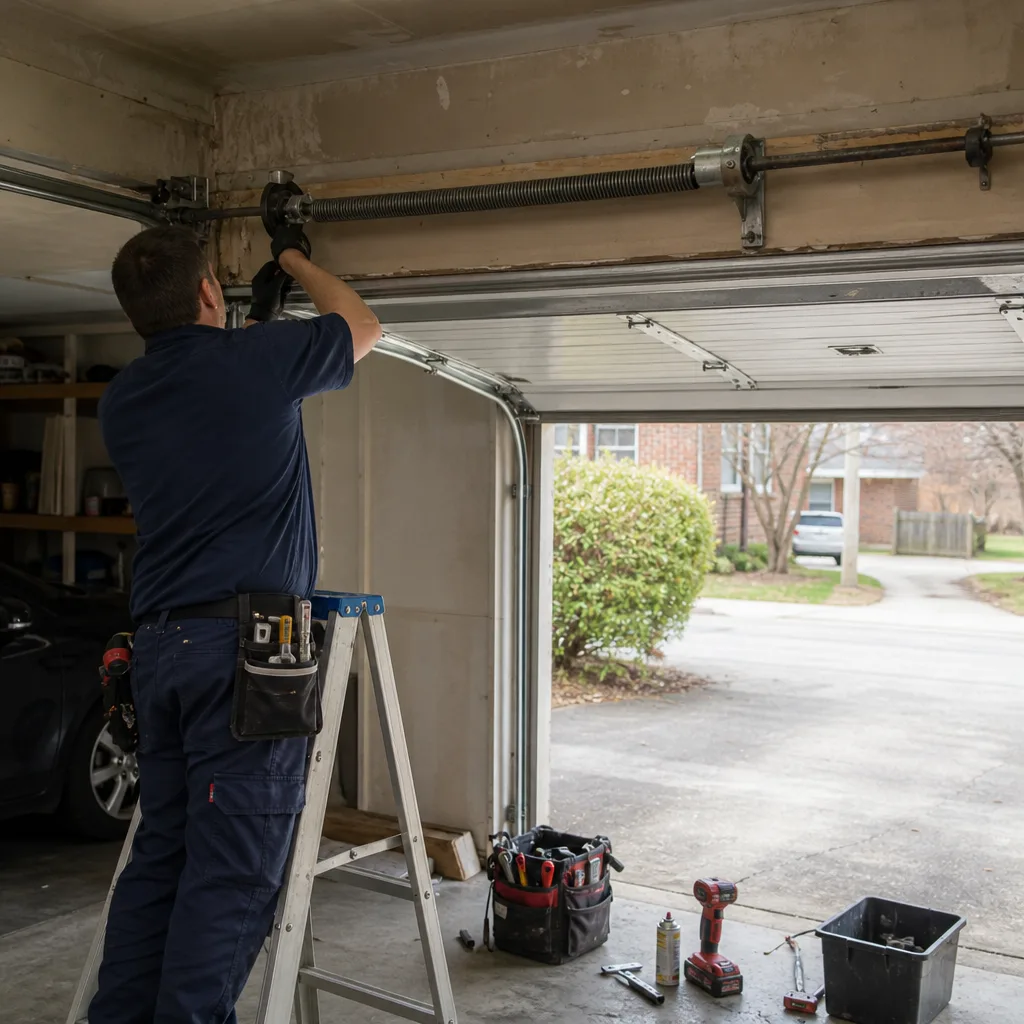
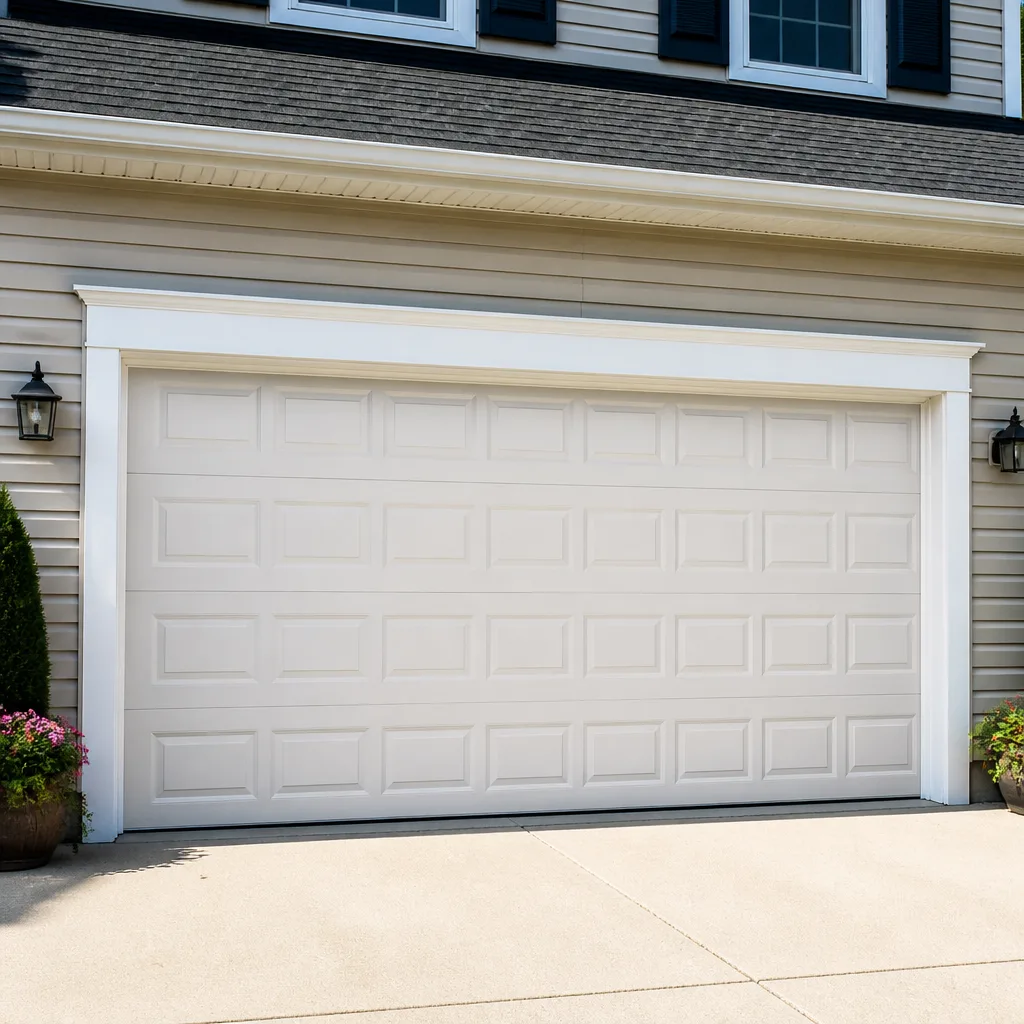 Raised-panel steel
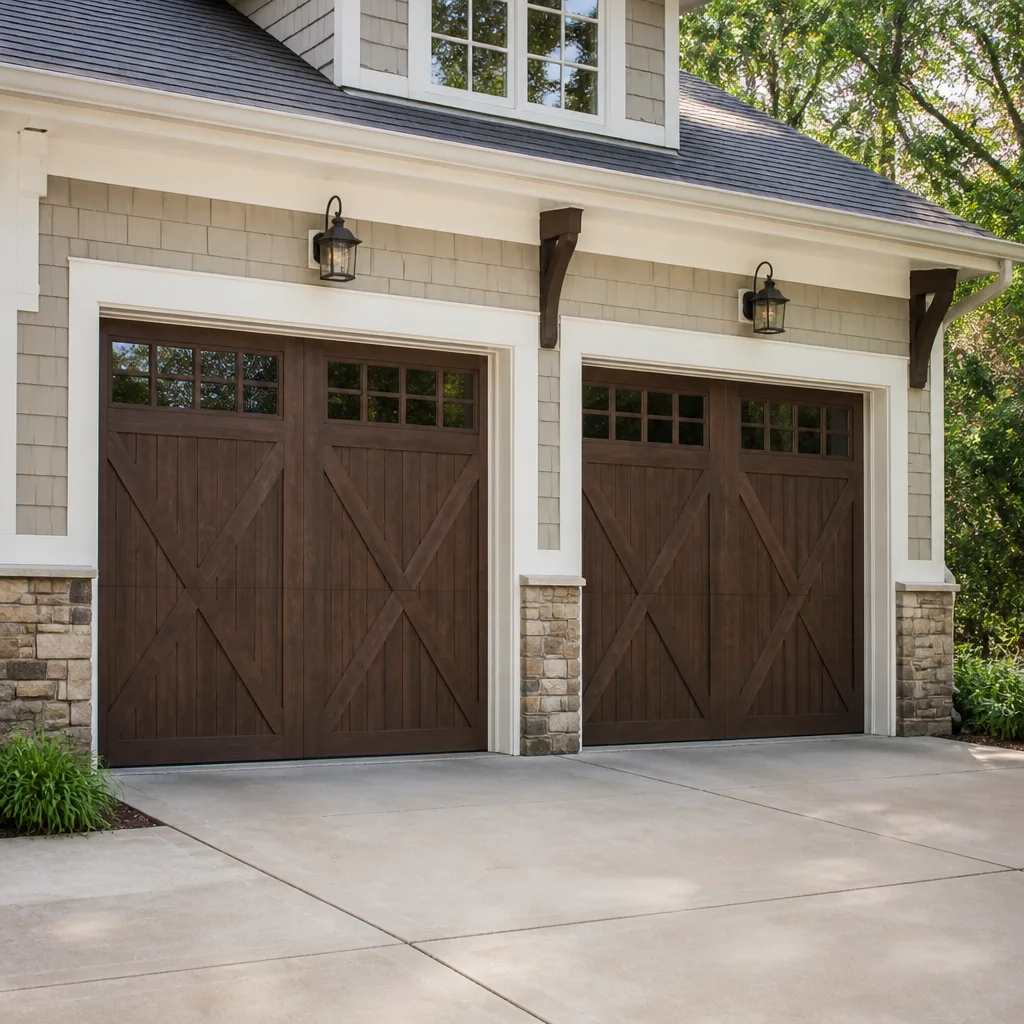 Carriage house
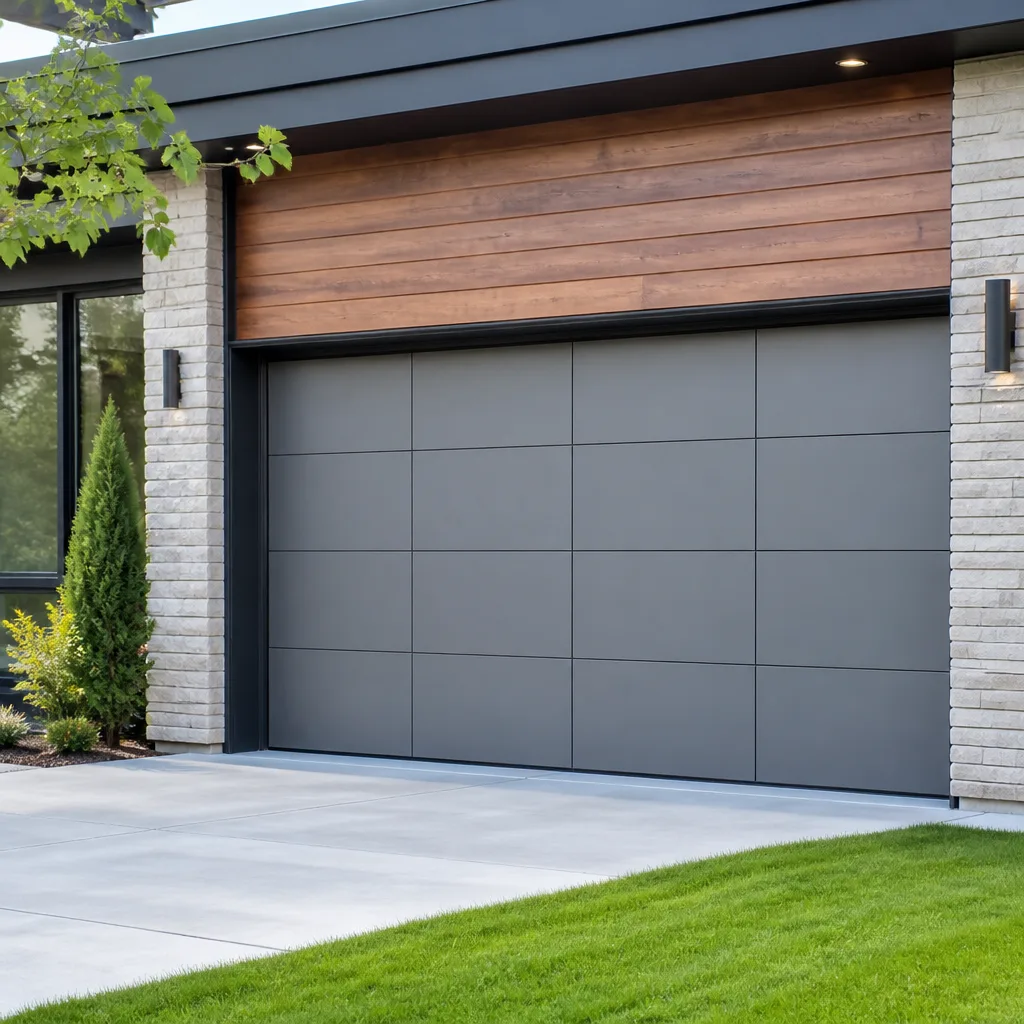 Modern flush
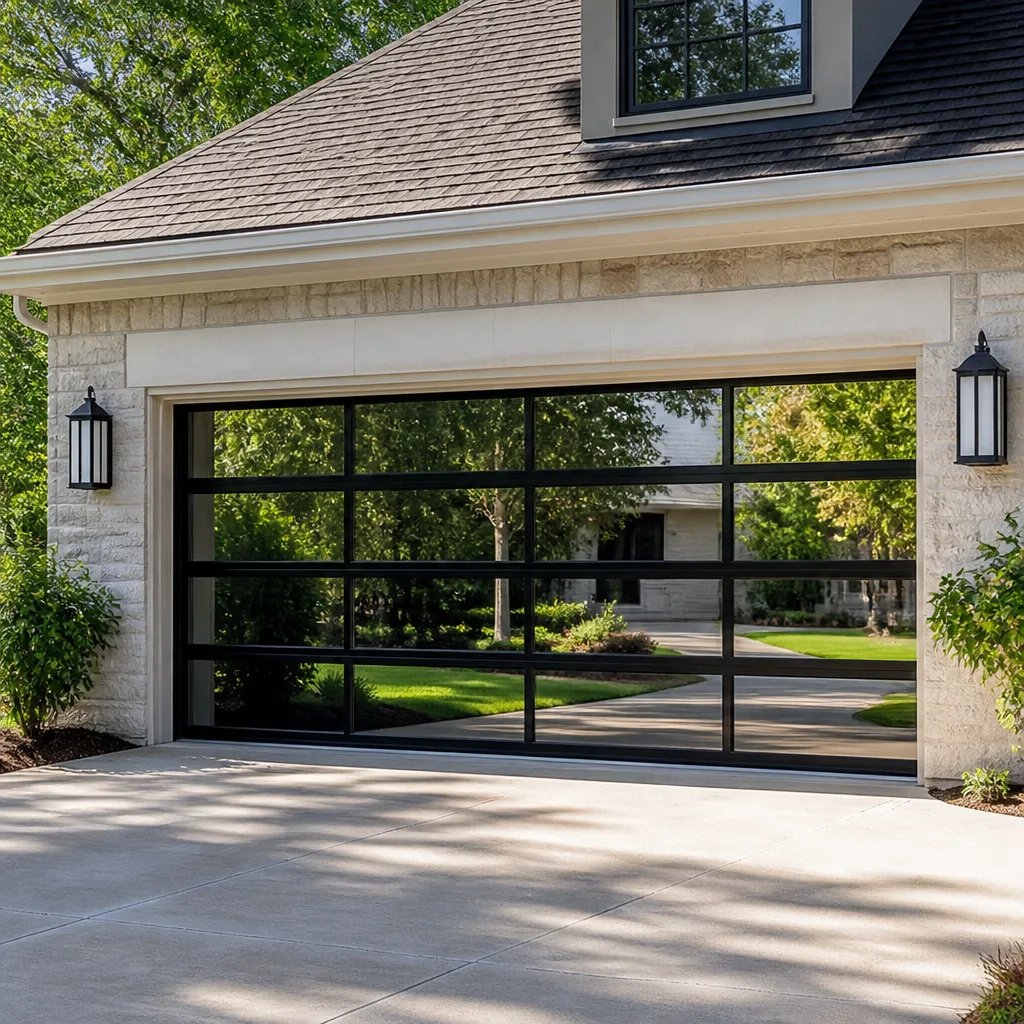 Full-view glass
 LiftMaster openers
 Chamberlain openers
Full 25-point door and opener safety check with every visit - springs, cables, rollers, tracks, and your LiftMaster or Chamberlain opener included
You get a price before we start. It does not change when the pro arrives.
Get your free estimateSeasonal Garage Door Care for Evanston: Year-Round Homeowner’s Guide
Garage door lubricant applied in October becomes a viscosity problem by January in Evanston. That’s the counterintuitive part most maintenance advice gets wrong. The product that feels smooth going on in fall thickens in sub-zero wind chills off the lake, and it makes springs and rollers work harder in exactly the conditions where metal is most brittle and most likely to snap. Meanwhile, the same door faces the opposite stress in July, when humidity swells wood sections and heat softens bottom seals. This guide covers both failure modes, season by season, with the inspection sequence, lubricant specifications, and pass/fail criteria that actually match Evanston’s climate.
Quick Answer
Garage door care in Evanston runs on a two-season calendar, not a single winter tune-up. Inspect and lubricate with a lithium-based grease in October before the first hard freeze, check for humidity swelling and seal warping in June and July, and reassess springs, cables, and track alignment every spring after the freeze-thaw cycle ends. The components that fail here fail from temperature extremes in both directions, so a door that gets only a fall check is still half-maintained.
Styles & brands we work with
- Raised-panel steel
- Carriage house
- Modern flush
- Full-view glass
- LiftMaster openers
- Chamberlain openers
Table of Contents
- Why Evanston’s Climate Stresses Doors in Two Directions
- The Right Lubricant for Evanston’s Temperature Range
- The October Pre-Winter Inspection Sequence
- Freeze-Thaw Cycles and the Concrete Threshold
- Summer Failures: Humidity, Swelling, and Warped Seals
- Spring Post-Winter Assessment
- Brand-Specific Notes for Evanston Doors
- Common Mistakes to Avoid
- When to Call a Professional
- Frequently Asked Questions
Why Evanston’s Climate Stresses Doors in Two Directions
Evanston sits on the lake, and that geography sets up a garage door’s two worst seasons. January brings wind chills that drive metal toward its brittle range. July brings humidity that wood and rubber absorb. Most of the country deals with one of those extremes more than the other. Here, both arrive every year, and they attack different parts of the same door in opposite ways.
Cold contracts. Steel tracks pull slightly tighter, cables lose a fraction of their tension, and any lubricant that wasn’t rated for the temperature turns tacky. A torsion spring that was perfectly balanced in September can feel stiff and sluggish by February. The door still opens, so nothing gets inspected, and the wear accumulates out of sight.
Heat and moisture do something different. Wood door sections take on moisture and swell, so a door that glided in April starts binding in July. Bottom seals soften and lose their shape against the concrete. Steel panels expand on the sunny side of a door and can bow slightly if the tracks have no room to give.
That combination means maintenance here isn’t a single annual event. It’s a rhythm: prepare for the freeze, watch through the humid months, and reassess after the thaw. Homeowners who treat it that way catch most failures before they become repairs, and the seasonal timing is why our Evanston garage door repair work clusters around late fall and early spring.
The Right Lubricant for Evanston’s Temperature Range
Use a lithium-based grease or a lubricant specifically rated for sub-zero temperatures on springs, hinges, and rollers. General-purpose oil, silicone spray, and WD-40 are the wrong products for an Evanston winter. They go on thin and feel effective in October, which is exactly what makes them a trap.
Why lithium grease holds up
Lithium-based grease maintains a film at low temperatures. It stays where it’s applied instead of running off or drying to a gummy residue. That film keeps metal surfaces separated through the contraction and vibration of a cold Evanston winter. When a door opens and closes twice a day at 15 degrees, the lubricant’s job is to keep the spring coils sliding against each other cleanly. A grease that thickens into paste makes every cycle harder.
Why the common alternatives fall short
- WD-40 is a penetrating oil and solvent, not a long-term lubricant. It displaces moisture and cleans, then evaporates. It leaves springs drier than it found them.
- General-purpose oil runs off vertical surfaces and collects grit in the hinges, forming an abrasive paste.
- Silicone spray is fine on weather seals and plastic parts but doesn’t hold up on metal-to-metal contact points under load.
How to apply it correctly
- Clean the springs, hinges, and roller stems with a dry cloth first. Old grit under fresh grease wears parts faster.
- Apply a light coat to the torsion springs along their length, not a heavy blob.
- Wipe a thin film on each hinge pivot and roller stem. Avoid the tracks themselves; those should stay clean and dry.
- Cycle the door a few times to work the grease into the contact points, then wipe away any excess.
If you’re already hearing squealing or grinding from a spring, the lubricant isn’t a fix. That’s a symptom that needs a technician, and it’s the moment to arrange garage door spring repair rather than wait for a snap.
The October Pre-Winter Inspection Sequence
Run this inspection in order, before the first hard freeze, and record what you find. The components below are listed in the sequence a trained technician checks them, because each one confirms or rules out problems in the next.
- Visual panel and section check. Look at each section for cracks, dents, or separation. Pass: sections are straight and aligned. Fail: any crack or gap between sections, which admits cold air and stresses the hinges.
- Hinge and roller check. Grip each hinge and wiggle it. Pass: firm, no movement. Fail: any play, which means a loose or stripped screw and a roller about to jump the track.
- Roller wear. Look at the roller wheels inside the tracks. Pass: round and turning freely. Fail: flat spots, chips, or wheels that don’t spin.
- Cable inspection. Examine the cables along their length for fraying or broken strands. Pass: smooth, taut, no rust clusters. Fail: any fraying at all. Cables are load-bearing and always under high tension; never touch, tighten, or adjust them. This is the one inspection item to leave entirely to a trained professional.
- Spring balance test. Disconnect the opener and lift the door halfway by hand. Pass: it holds position with minimal effort. Fail: it drops on its own or won’t lift. Never attempt to adjust, wind, or replace a torsion spring yourself; high-tension springs can cause serious injury and manufacturers explicitly warn against DIY work on them.
- Track alignment. Sight down each track. Pass: straight and parallel. Fail: any visible bend or gap at the mounting points.
- Weather seal and threshold. Look for a tight seal across the bottom. Pass: no light visible under the closed door. Fail: gaps, which we’ll cover in the next section.
If everything passes, lubricate with lithium grease and you’re prepared. If any single item fails on the spring or cable checks, stop and call a professional. Those two components are where the real safety risk lives.
Freeze-Thaw Cycles and the Concrete Threshold
Freeze-thaw cycling is one of the most overlooked seasonal issues for an Evanston garage door, and the damage is all at floor level. When daytime temperatures push above freezing and the ground pulls moisture into the concrete apron, that moisture refreezes overnight and expands. Repeated cycles lift, crack, and pit the concrete under the door. Your bottom seal is only as good as the flat surface it presses against, and a concrete threshold that has heaved or chipped creates a gap the seal simply can’t reach. It’s also why a door that sealed perfectly in September shows daylight underneath by February.
What to look for when you check the threshold:
- Spalling concrete: flakes and chips breaking off the edge the door meets.
- Heaving: sections of concrete that have risen higher than the surrounding surface.
- Cracks that open wider than a hairline and run parallel to the door.
- Daylight or a draft visible under a closed door, especially at the corners.
Sometimes a thicker bottom seal or a threshold adjustment closes the gap. When the concrete itself has moved, the honest answer is that the floor needs repair by a mason before a seal will ever sit flush. We see this often enough on older Evanston garages that we check the threshold before recommending any seal replacement.
The same freeze-thaw stress works on the springs and cables overhead. Cold alone makes metal brittle, and every freeze-thaw transition is a cycle of expansion and contraction that works on the cables’ strands. That’s why spring and cable failures cluster in late winter here rather than at the start of it.
Summer Failures: Humidity, Swelling, and Warped Seals
Summer maintenance in Evanston is mostly about moisture, not heat. Two failures dominate, and both are easy to catch early.
Wood door sections swell and bind
A wood or wood-composite sectional door takes on humidity from the air, mostly through unpainted bottom edges and end grain. As sections swell, they push against each other and against the tracks. The symptom is a door that opens with a shudder or binds partway up in July and August. Left alone, the binding puts extra load on the opener and the springs. The fix usually involves easing the track clearance, resealing the wood against moisture, and adjusting the opener’s travel limits so it stops forcing the door.
Heat warps the bottom seal
Rubber and vinyl bottom seals soften in summer heat and can take a set in the open position, so the door no longer presses flat when closed. A warped seal lets in hot air in summer and cold air the moment temperatures drop again. Inspect the seal in mid-summer by closing the door and looking for daylight or a visible gap along the floor. A seal that has failed doesn’t respond to adjustment; it needs replacing.
Other summer checks
- Clear debris and grit from the tracks after wet weather. Humidity plus grit makes a sticky track.
- Test the opener’s safety reverse. Place an object in the door’s path and confirm it reverses on contact.
- Check the opener’s force settings on a hot day. Doors that bind in humidity can trip the safety reverse.
- Look for rust bloom on steel cables and hinge pivots after a wet stretch.
If the opener hesitates, reverses for no reason, or clicks without moving the door, the drive system may be the culprit rather than the door. That’s a job for garage door opener repair rather than a track adjustment.
Spring Post-Winter Assessment
The spring thaw is when the winter’s damage becomes visible. Run this assessment once overnight temperatures stay above freezing, and treat the spring and cable checks as visual only. Do not touch, adjust, or attempt to repair any spring or cable yourself. High-tension springs and cables are the leading cause of serious garage door injuries, and the trained-professional rule exists for good reason.
What a harsh Evanston winter typically does:
- Springs lose tension. The door opens partway and stops, or feels much heavier lifting by hand. A torsion spring that has lost a coil of tension is close to failure and needs professional replacement.
- Cables develop fraying. Sub-zero metal is less tolerant of stress, and cable strands can break at the drum end. Fraying is a stop-everything signal.
- Track alignment drifts. Contraction and ground movement can pull a track slightly out of parallel, so the door binds or shivers on the way up. It’s often subtle, which is why sighting down each track matters.
- Rollers develop flat spots. Cold-hardened wheels that sat in one position can flatten, so the door runs with a thump every rotation.
A balanced assessment is simple: disconnect the opener, lift the door to halfway, and let go. A healthy door holds. A door that drifts down has spring tension issues. A door that won’t lift needs a professional.
Brand-Specific Notes for Evanston Doors
Our technicians have up to 9 years of experience and work on Craftsman, Raynor, LiftMaster, and Chamberlain systems across Evanston, among eight leading brands. Knowing the specific hardware before arrival changes the job: which spring system a Raynor door uses, which LiftMaster opener features can trip a safety reverse, which Craftsman openers need a specific force setting after a track adjustment. It means one call covers the door and the opener, with no second trip for a specialist.
A few brand patterns worth knowing as a homeowner:
- Raynor and Craftsman doors often run on torsion springs. Match the door’s balance test result to the spring condition rather than the opener’s sensitivity.
- LiftMaster and Chamberlain openers share design lineage. If the opener reverses on its own, check the door’s balance before touching opener settings; the opener is usually reporting the door’s problem, not causing it.
- Wood-composite doors from any maker need the summer moisture check more than steel doors do.
When you call for service, tell us the brand and model if it’s printed on the door or opener. It affects what parts the technician brings and shortens the diagnostic step.
Common Mistakes to Avoid
- Applying WD-40 to springs and calling it lubrication. It cleans and evaporates, leaving springs dry right when cold weather needs a stable grease film.
- Choosing a single annual maintenance day in spring and skipping October. Evanston doors need the pre-winter sequence in fall; the thaw assessment is a second check, not the only one.
- Adjusting the opener’s force settings to overcome a binding door. That masks a swollen section or a drifted track and puts extra load on the opener’s drive.
- Ignoring a small gap under the door in summer. A warped seal or a heaved concrete threshold is the frost problem you’ll feel in January.
- Touching, adjusting, or replacing springs or cables personally. High-tension springs can cause serious injury, and manufacturers warn against it. This is one job with no safe DIY version.
- Assuming a slow, stiff door in winter is just the cold. Stiffness in a cold door usually means tension loss or a heated door, and both need a look.
- Replacing the whole door when the seal and rollers are the real problem. Get a diagnosis before you price a new door.
When to Call a Professional
Call a trained technician when any of these are true: a spring pops or the door won’t lift by hand; a cable shows fraying; the door comes off its track or a panel sags; the opener reverses or clicks repeatedly; the bottom seal won’t close flush and daylight shows along the threshold; or the door binds through the humid months despite cleaning. Those are the moments a repair prevents a bigger one. Spring and cable work is safety-critical and should always go to a professional with the right tools and training.
Evanston Garage Door Repair Co offers free estimates in Evanston. Call (877) 492-2506. We answer 24/7. Fast dispatch from 7am to 7pm, Sunday through Friday. Every price is quoted and agreed in writing before work starts, and emergency garage door service is there for the moments when a stuck or broken door is a security issue rather than a scheduling problem.
Frequently Asked Questions
A lithium-based grease or a lubricant rated for sub-zero temperatures. It holds a film through winter cold, where general-purpose oil, silicone spray, or WD-40 evaporate or thicken and leave metal exposed. Apply it lightly to springs, hinges, and roller stems, never to the tracks themselves. Call (877) 492-2506 for an exact estimate if you’d rather have a technician handle it – estimates are free.
Spring repair in Evanston typically runs about $180 to $340 for a single spring, and a matched pair is usually replaced together, so a pair costs roughly twice that. The written estimate you receive sets the final price before any work begins. Call (877) 492-2506 for an exact quote – estimates are free.
Summer binding is almost always humidity swelling wood or composite sections against the tracks, or a softened bottom seal. It’s the opposite of the cold-weather stiffness you’d expect. A technician can ease the track clearance, reseal the sections, and check the opener’s travel limits so the door stops fighting itself in July.
Yes, same-day service is available for urgent repair and emergency situations, including doors that won’t close and leave the garage exposed. Call (877) 492-2506. We answer 24/7. Fast dispatch from 7am to 7pm, Sunday through Friday. We’re closed on Saturday, but a call will book you into the next opening.
No. Every price is quoted and agreed in writing before any work starts. If the inspection reveals something the estimate didn’t account for, you hear about it with a new number first, and you decide. Call (877) 492-2506 for an exact quote – estimates are free.
The local professionals we connect you with are state-licensed and insured as their state requires, and our technicians have up to 9 years of experience working on LiftMaster, Chamberlain, Genie, Clopay, Amarr, Wayne Dalton, Craftsman, and Raynor systems. Call (877) 492-2506 to schedule an estimate.
The Bottom Line
Evanston’s garage doors face two opposite seasons, and the maintenance calendar has to account for both. A fall inspection sequence and a lithium-based lubricant set the door up for winter. A summer check for swelling sections and warped seals heads off the warm-weather failures. Then the spring assessment catches what the freeze-thaw cycle actually did to the springs, cables, and tracks. Get that rhythm in place and you’ll catch most problems before they turn into a call. For the spring and cable work, don’t improvise: those are the most hazardous components on a residential door. One call covers the door and the opener, from a seasonal tune-up to a new installation.
Call (877) 492-2506 for a free estimate. We answer 24/7. Fast dispatch from 7am to 7pm, Sunday through Friday. Estimate first, price agreed in writing, work done right.
Written by the team at Evanston Garage Door Repair Co.
See the difference
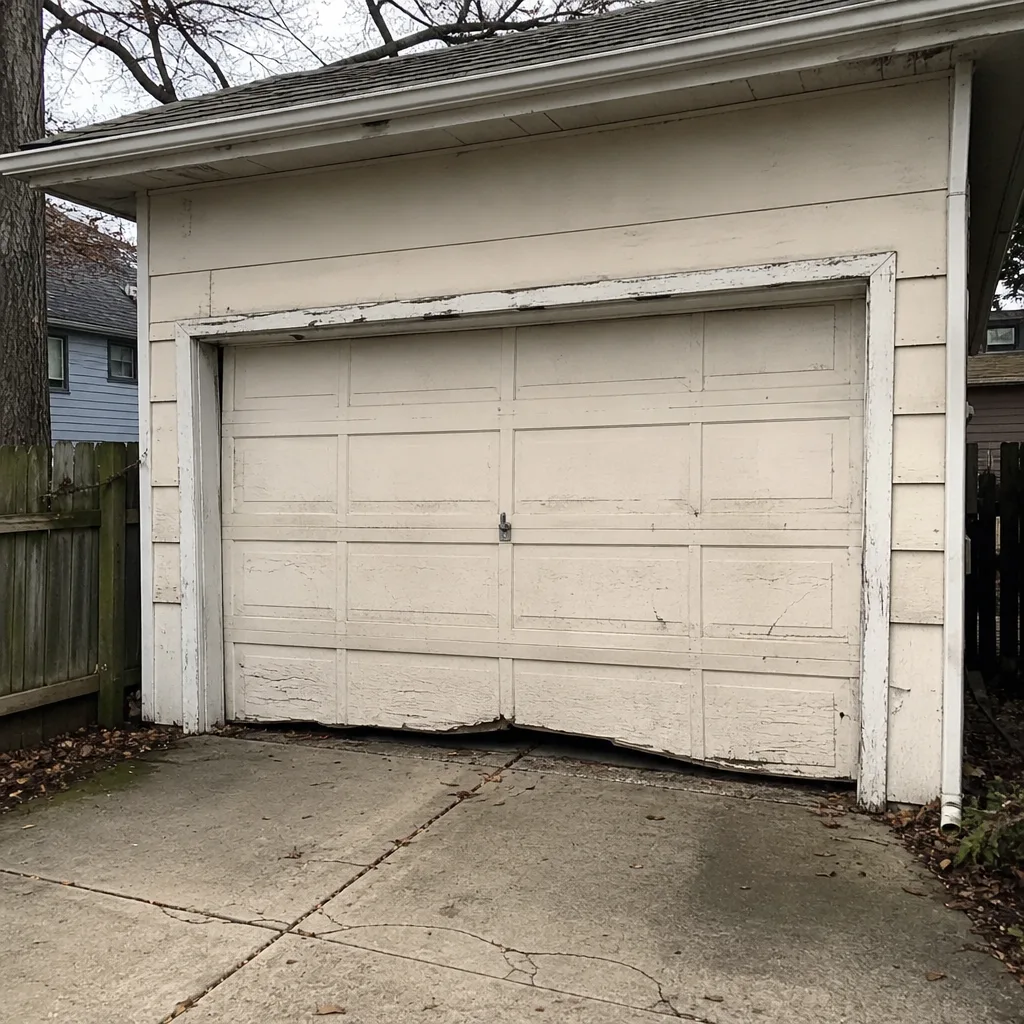 Before
 After
 Before
 After
 Before
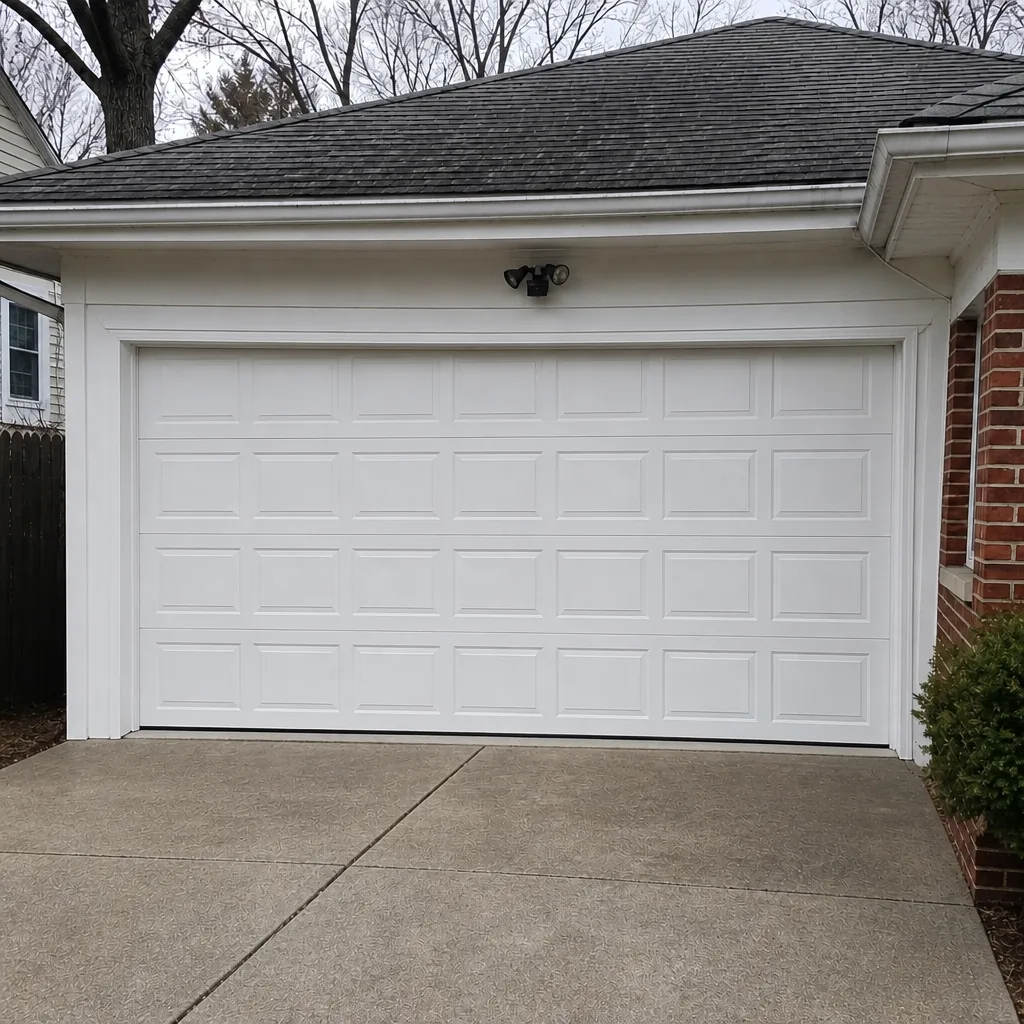 After