
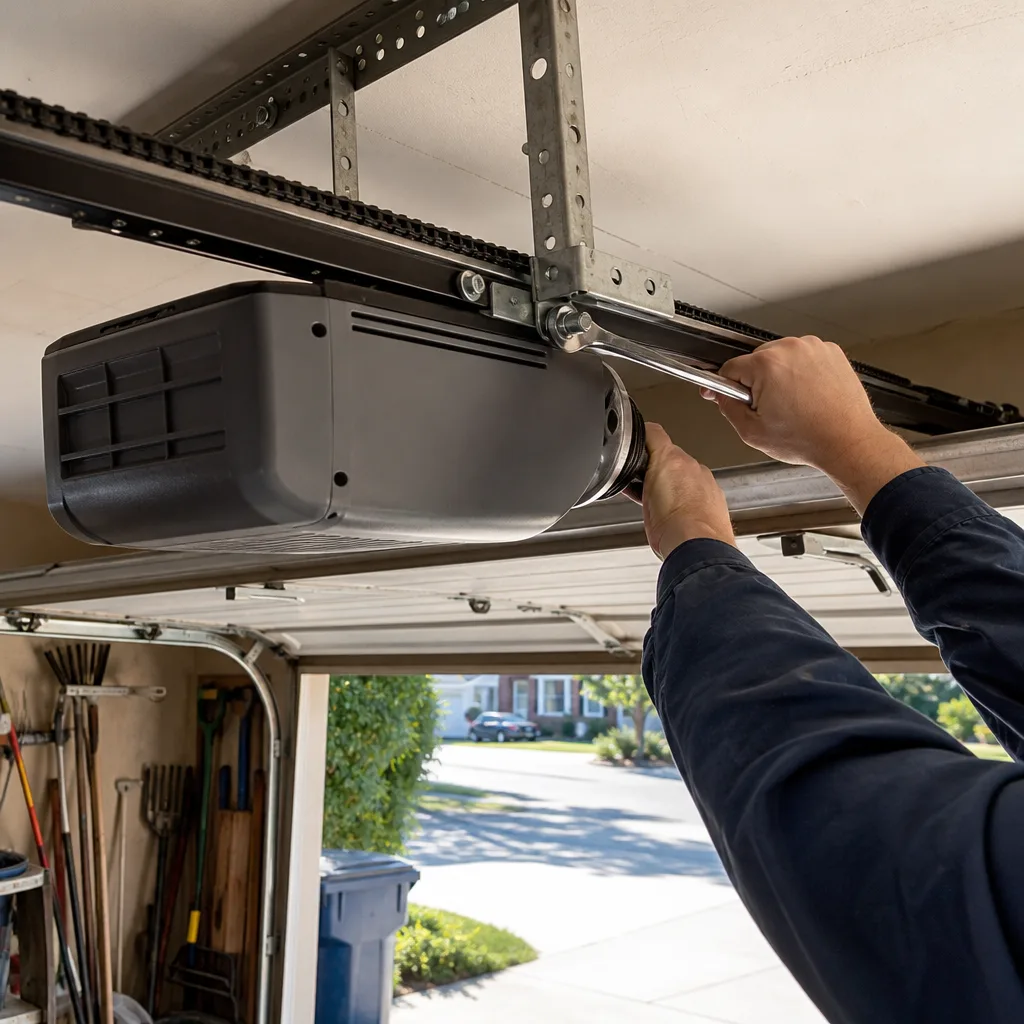
Last updated November 23, 2026
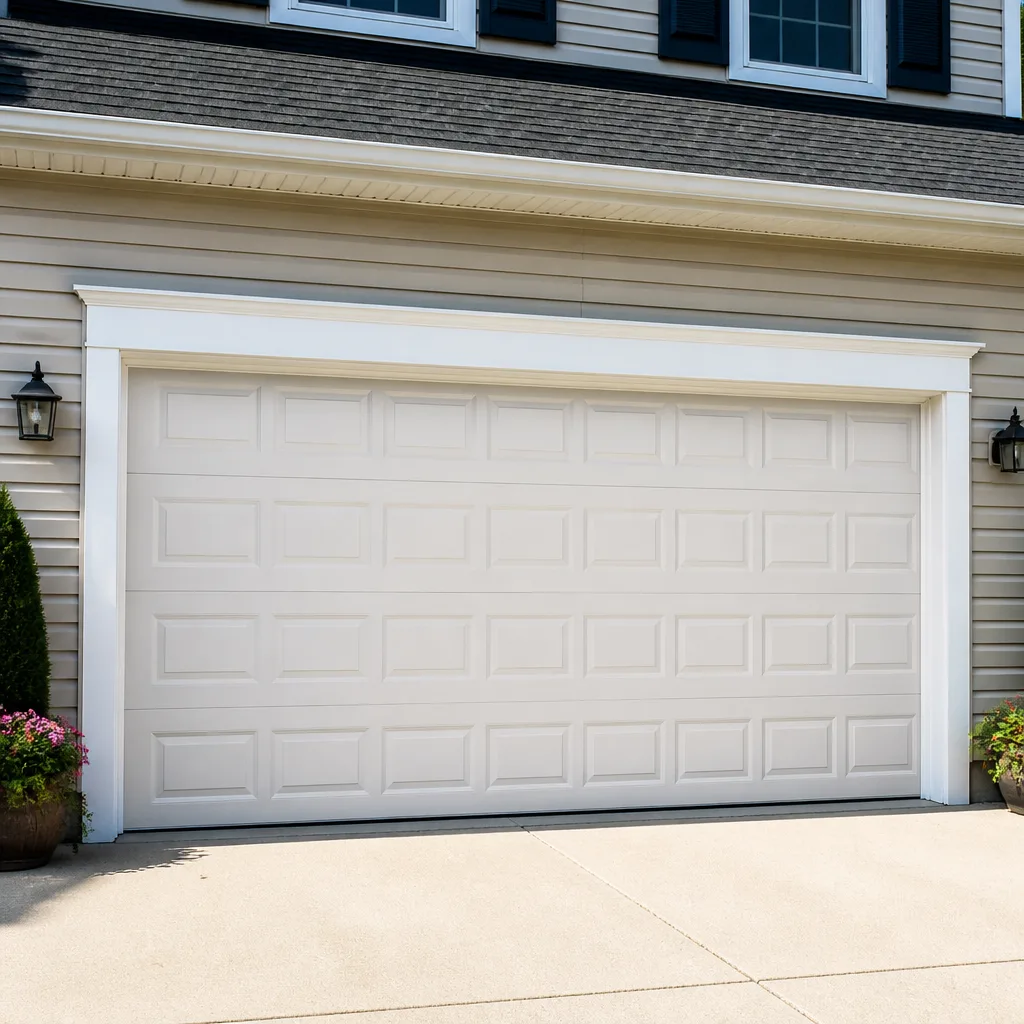 Raised-panel steel
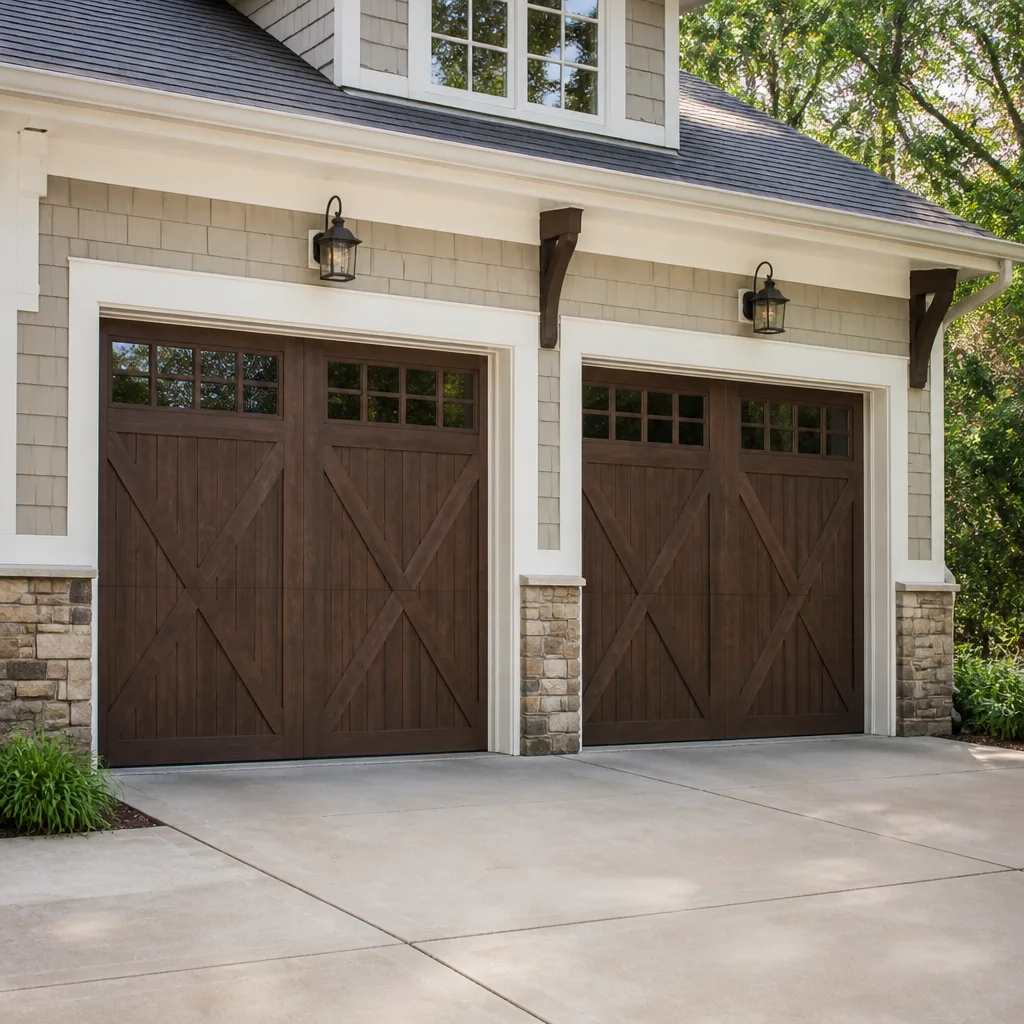 Carriage house
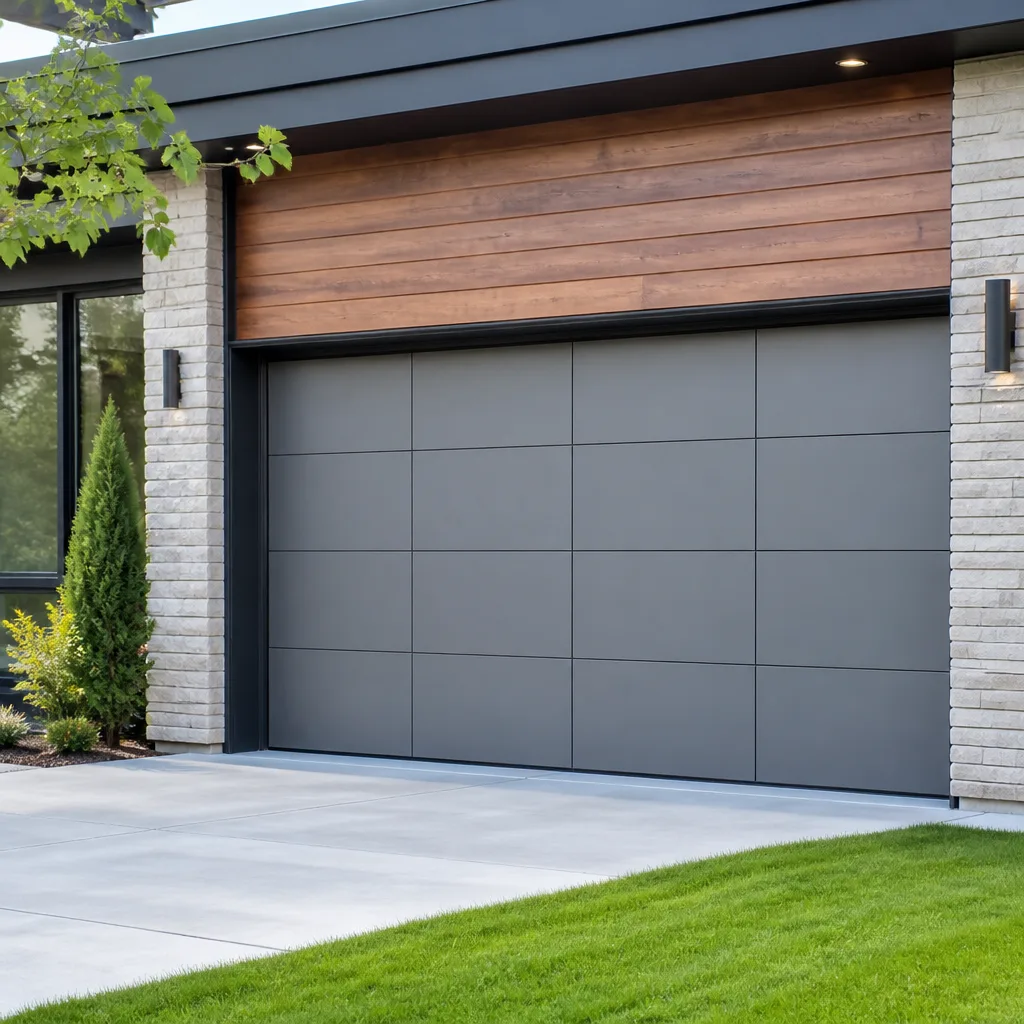 Modern flush
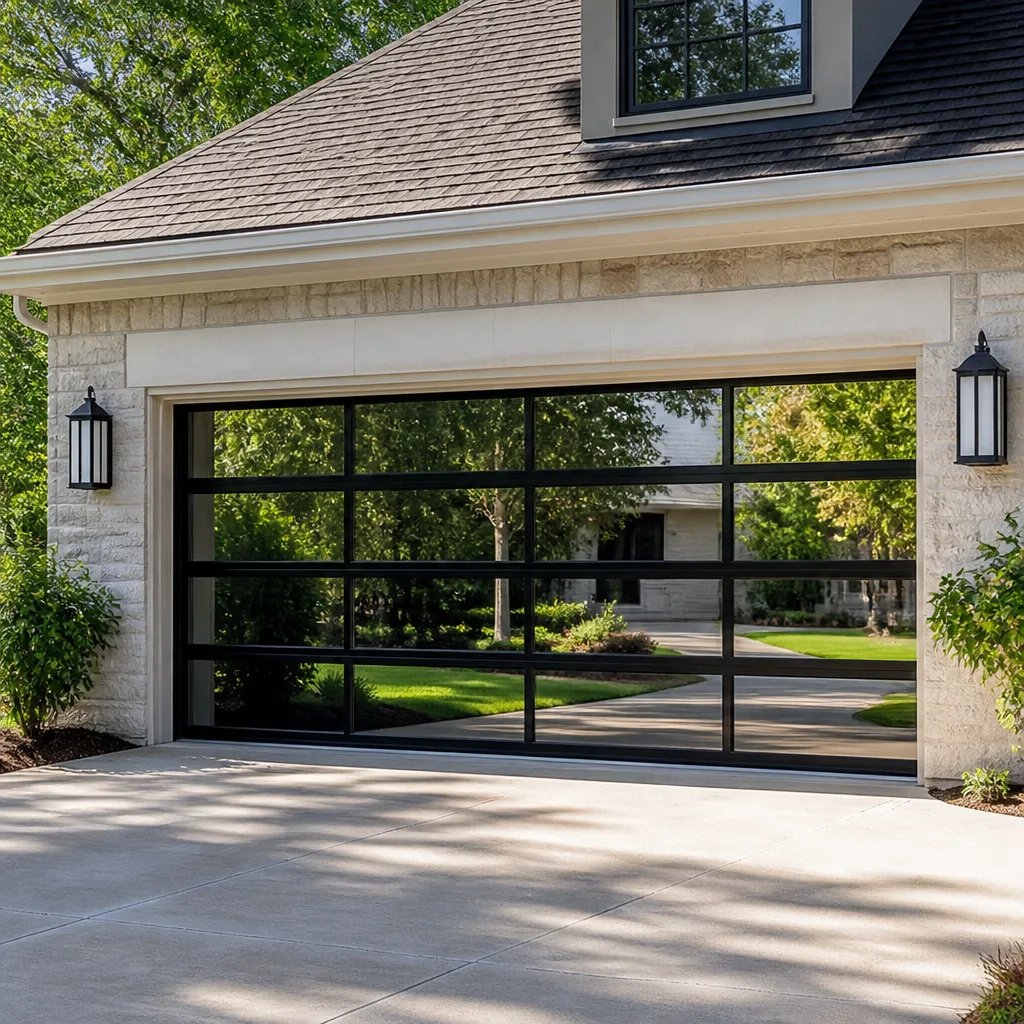 Full-view glass
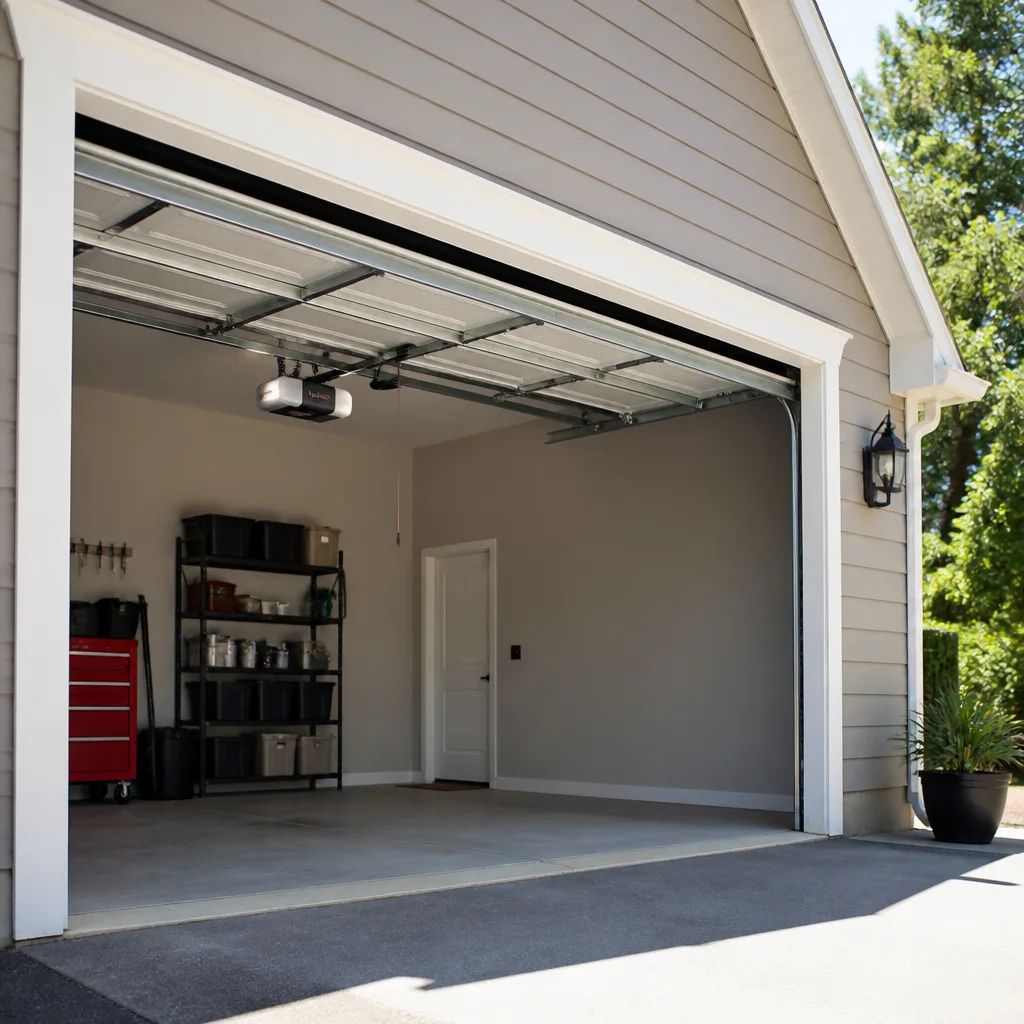 LiftMaster openers
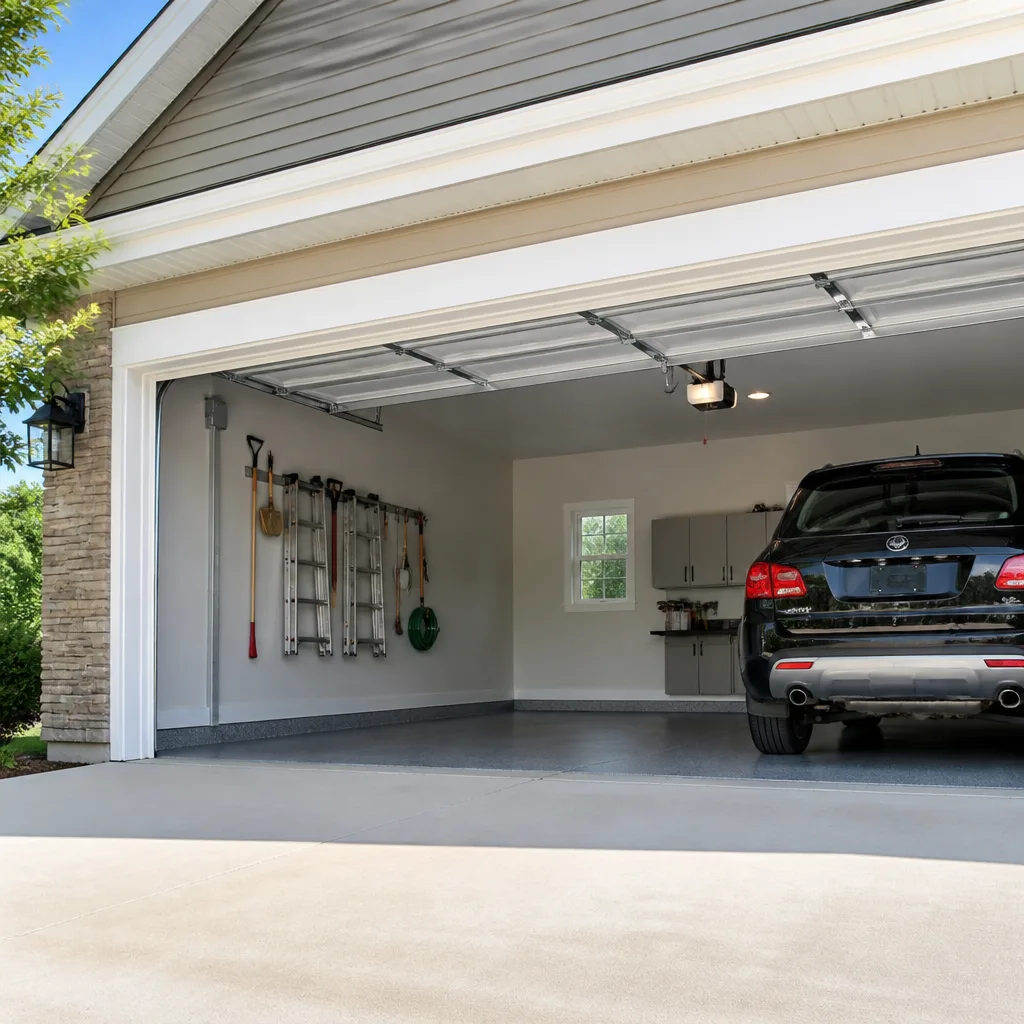 Chamberlain openers
Full 25-point door and opener safety check with every visit - springs, cables, rollers, tracks, and your LiftMaster or Chamberlain opener included
You get a price before we start. It does not change when the pro arrives.
Get your free estimateGarage Door Emergency Preparedness Guide for Evanston Homes
A torsion spring doesn’t announce itself. It snaps, and the door above your car goes from balanced to dead weight in under a second. Most homeowners react the same way: they grab the handle and try to lift. That’s the wrong move, and it’s the one that turns a repair into a hospital visit. The door isn’t stuck because it’s stubborn. It’s stuck because the counterbalance that made a 150-pound panel feel like ten pounds is gone, and no amount of muscle replaces it. The homeowners who come through a garage door emergency without damage or injury aren’t luckier than everyone else. They thought through the scenario before it happened. This guide walks through the four emergencies we see most often in Evanston, what to do in the first 30 minutes, and what to keep in the garage for the night it matters.
Quick Answer
In a garage door emergency, the safest first move is to stop pulling on the door and leave the spring and cable system alone. If a spring has snapped or the door is off its tracks, keep people and vehicles clear and call a technician. If the problem is power loss or a dead opener, use the manual release cord correctly and lift the door by hand only if it moves with normal effort. Evanston Garage Door Repair Co handles emergency calls, and we answer 24/7.
Styles & brands we work with
- Raised-panel steel
- Carriage house
- Modern flush
- Full-view glass
- LiftMaster openers
- Chamberlain openers
Table of Contents
- What to Do in the First 30 Minutes
- Scenario 1: Broken Spring With a Car Trapped Inside
- Scenario 2: Opener Failure During a Power Outage
- Scenario 3: Door Off-Track
- Scenario 4: Door That Won’t Close
- Using the Manual Release Cord Without Causing a Second Failure
- Evanston Winter: What Happens to a Garage Door at Minus 10
- The Garage Door Emergency Kit
- Common Mistakes to Avoid
- When to Call a Professional
- Frequently Asked Questions
What to Do in the First 30 Minutes
The first half hour decides whether a garage door emergency stays a repair or grows into damaged panels, a bent track, or an injury. The sequence below is the one we walk callers through, in order, before anyone touches the door.
- Stop operating the door. Don’t hit the wall button again to “see if it works this time.” Every cycle on a broken spring or a jumped cable drags the panels and the opener through strain they weren’t built for.
- Clear the area. Move kids, pets and anyone helping back from the door’s path. A door that drops or swings off a track does it without warning.
- Look, don’t touch. A snapped torsion spring shows as a clean gap in the coil above the door. A broken extension spring hangs loose along the track. Cables that are slack, kinked or hanging off a drum mean the door is unsupported.
- Check whether a car is trapped. If someone needs to leave for work, school or an appointment, say so when you call. It changes how we sequence the visit.
- Secure the space if the door is open. If the door is stuck open, the garage is now an open doorway to your home. Close the interior door to the house, and if you can do it safely, park a car or place a barrier across the opening.
- Call for service. Call (877) 492-2506. We answer 24/7. Fast dispatch from 7am to 7pm, Sunday through Friday.
That’s the whole protocol. Notice what isn’t on it: forcing the door, cutting a cable, or trying to re-seat a spring. Those steps belong to nobody without training, and we’ll explain why in the sections below.
Scenario 1: Broken Spring With a Car Trapped Inside
This is the classic Evanston garage door emergency, and it usually happens on the coldest morning of the year, when the car is inside and the clock is running. The spring has snapped, the door is dead weight, and the first instinct is to lift it by hand. Don’t. A garage door with no spring support can weigh well over 150 pounds, and lifting it unevenly can drop it or send a panel off its hinges.
The safe sequence looks like this:
- Leave the door closed if it’s already down. A closed door with a broken spring is inconvenient. A door halfway up with a broken spring is dangerous.
- Get the trapped person out another way. If someone needs to leave, use another exit, borrow a ride, or move the second vehicle if there is one. The car can wait. Nobody should be under a door that isn’t balanced.
- Don’t pull the manual release to “test” the door. Releasing a door with a broken spring hands its full weight to you and to the tracks. On some openers, releasing under load also lets the carriage slam down the rail.
- Tell us the spring type when you call. Torsion springs mount on a shaft above the door. Extension springs run along the horizontal tracks on either side. Knowing which one you have lets us arrive prepared for the right repair.
Spring work is the most hazardous repair in residential garage door service. The springs are under extreme tension even when the door is at rest, and the winding bars and winding procedure exist for a reason. Manufacturers explicitly warn against homeowners adjusting or replacing them. Our technicians have up to 9 years of experience with this exact job, and garage door spring repair is the call we take most often in cold weather. When the spring is replaced, the door is balanced and tested before we leave, so it opens like it should by the time we’re done.
Scenario 2: Opener Failure During a Power Outage
When the power goes out, the door isn’t broken; the opener just has nothing to run on. This is the one garage door emergency most homeowners can handle themselves, provided they use the manual release correctly. The cord hanging from the opener carriage disconnects the door from the drive system so it can be lifted by hand.
Here’s the part most guides skip. The release only works safely if the door is balanced. Before you pull it, stand at the door and note its position. If the door is fully closed, the spring is doing its job and the door should lift with steady, moderate effort. If the door is partway open, or you already know a spring is broken, don’t release it. Call us instead.
- Pull the release cord straight down, once, firmly. Don’t yank it repeatedly.
- Lift the door slowly by hand from the bottom center, keeping your fingers away from the hinges and panel joints.
- Raise it fully, then let it settle. A balanced door should stay up on its own. If it drifts down, stop and call.
- To reconnect after power returns, raise the door fully, pull the release cord toward the opener to reset the carriage, then run the opener once to re-engage.
If the opener itself has failed rather than the power, the symptoms differ: the motor hums without moving the door, the door reverses immediately, or the wall button does nothing while the remote still works. That points to the logic board, the capacitor, the travel limits or a safety sensor, not the electrical grid. Our garage door opener repair covers those failures on the major brands, including LiftMaster, Chamberlain, Genie and Craftsman, so the fix matches the unit you actually own.
Scenario 3: Door Off-Track
A door that has jumped its tracks is the emergency where doing nothing is almost always the right call. The rollers sit inside curved steel tracks, and once a roller pops out, the door is being held by whatever’s left, usually a single roller and the opener arm. Running the opener again can bend panels, twist the track, or drop the door.
What to do:
- Don’t run the opener. Not once, not “just to see.” The opener will keep pushing a door that has nowhere to go.
- Don’t try to lever the door back into the track. A door under spring tension that shifts mid-pry can come down on hands and arms.
- If the door is hanging open, block the opening. Off-track doors often leave a gap that’s a security problem as much as a mechanical one. Secure the space from inside the house.
- Note what you see. A bent track section, a roller out of the channel, a panel pushed out of alignment. That description helps us bring the right parts.
Off-track doors usually trace back to an impact (a car bumper, a bike, a ladder leaned against the panel), a worn roller, or a track that’s worked loose from its brackets. In Evanston, the freeze-thaw cycle works on garage slab and the track anchors along with it, and a track that shifts a fraction of an inch over a winter is enough to let a roller escape. Repair usually means re-setting the track, replacing damaged rollers and checking the panels for alignment. If a panel is bent beyond straightening, we can source a replacement for Clopay, Amarr, Wayne Dalton and Raynor doors, or talk through whether a new door makes more sense. Either way, one call covers the door and the opener.
Scenario 4: Door That Won’t Close
A door that won’t close is a security emergency before it’s a mechanical one. An open garage in Evanston is an open door to your house, your tools and anything stored inside. If the door won’t come down, the first priority is securing the opening, not diagnosing the door.
Common causes, roughly in order of how often we see them:
- Misaligned or dirty safety sensors. The two small lenses near the floor must see each other. A cobweb, a leaf, a bumped bracket or winter road grime on the lens stops the door from closing. Wipe the lenses and check that both indicator lights are steady.
- Something in the door’s path. A shovel, a recycling bin, a snow drift against the bottom seal.
- Blinking light on the opener. Most openers blink a diagnostic code through the wall control or the motor housing. Count the blinks and tell us the number when you call; it narrows the fault fast.
- Limit or force settings drifted. The opener thinks it’s hit an obstacle and reverses. That’s an adjustment, not a breakdown.
- A snapped cable or a broken spring on one side. The door may start down and jam crooked, which means it shouldn’t be forced.
While you wait for service, close the interior door to the house, turn on the garage light so the space is visible from outside, and if you can, park a vehicle across the opening. Call (877) 492-2506. We answer 24/7. Get the door secured and the fault fixed in one visit.
Using the Manual Release Cord Without Causing a Second Failure
The manual release cord is the most misunderstood piece of hardware on a garage door. Used correctly, it lets you open the door by hand when the opener fails. Used at the wrong moment, it turns a stuck door into a falling one, or it disconnects the door so the opener can’t re-engage.
The rule is simple: the release is safe only when the door is fully closed and the spring system is intact. A torsion spring holds the door’s weight; the opener only moves it. Release the door while the spring is broken and you’ve removed the last thing holding it.
What goes wrong most often:
- Pulling the cord with the door partway up. The door can drop. Wait until the door is fully down.
- Pulling it when a spring is broken. If you saw a gap in the coil or a hanging extension spring, don’t release. Call instead.
- Forgetting to re-engage. After power returns, the carriage has to be reset at the opener. Run the door by hand to full open, pull the cord toward the opener, then cycle the opener once. If the opener runs but the door doesn’t move, the carriage never reconnected.
- Pulling the cord on a door with a broken cable. A slack cable means the door is hanging on one side. Releasing it invites a racked panel and a bent track.
One more note for homes with a jackshaft or wall-mounted opener: not every unit has a trolley release, and the release on those systems works differently. If you’re not sure what you have, describe the opener to us when you call and we’ll tell you what’s safe to touch. If the door needs more than a reset, garage door repair covers the cables, tracks, rollers and panels that keep the release working the way it should.
Evanston Winter: What Happens to a Garage Door at Minus 10
Cold is hard on every part of a garage door system. Steel contracts, lubricant thickens, and the rubber bottom seal hardens to something closer to plastic. The combination produces the winter pattern we see across Evanston every January: springs that fail on the coldest morning, doors that open halfway and stall, and openers that strain or trip their overload protection.
The specific failure points:
- Torsion springs. Cold makes steel more brittle, and a spring already near the end of its cycle life is more likely to snap in a cold snap than in July. This is why we ask about spring age and noise when a winter call comes in.
- The bottom seal. A frozen seal bonds to the slab. The opener tries to lift a door that’s glued down, and the strain lands on the opener gears, the arm and the panels.
- Track and roller lubrication. Cold-thickened grease turns rollers into drag. A door that needs a shove at 20 degrees will stall at minus 10.
- The opener’s force settings. Many openers sense resistance and reverse. A stiff door reads as an obstacle. The opener isn’t broken; it’s protecting itself.
To open a frozen door without damaging the seal or the motor: don’t run the opener repeatedly against resistance. Free the seal first by working along the bottom edge from outside, using a plastic scraper or a gentle push with a broom handle, never a metal tool against the rubber. Once the seal is free, open the door by hand from the bottom center to confirm it moves freely, then let the opener take it. If it still stalls, stop and call rather than raising the force setting; that setting exists to protect people, not to push through a real mechanical problem.
Winter prep pays off all season: a silicone-based lubricant on the springs, hinges and rollers before the first hard freeze, a visual check of the weather seal for cracks, and a hand-test of the door’s balance. If you’re not comfortable on a ladder near the spring shaft, leave the lubrication to us during a service visit.
The Garage Door Emergency Kit
The night a door fails is the wrong time to be searching for a flashlight. This is the short list we suggest keeping in the garage, near the door but out of its path.
- A working flashlight with spare batteries, hung where you can reach it without stepping under the door.
- A phone number saved in your contacts for garage door service. Save (877) 492-2506 now, before you need it at 11pm on a Sunday.
- A step stool for reaching the manual release cord safely instead of stretching from a chair.
- Work gloves for moving debris or clearing a seal, and to keep hands off bare cable.
- A plastic scraper for freeing a frozen bottom seal without scratching the slab or tearing the rubber.
- A silicone-based garage door lubricant for pre-winter maintenance on springs, rollers and hinges.
- A note on the wall control with the opener brand and model. LiftMaster, Chamberlain, Genie, Craftsman, Wayne Dalton and Raynor units each have their own quirks, and the model number tells us what we need before we arrive.
- A barrier or cone to mark an open garage opening if a door won’t close.
That’s it. No tools for adjusting springs, no winding bars, nothing that invites a dangerous repair. The kit is for safety and communication, not for fixing the door yourself. Pair it with a quick monthly habit: press the wall button and watch the door through one full cycle. A door that shudders, scrapes or reverses is telling you something before it fails.
Common Mistakes to Avoid
- Forcing a door with a broken spring. The door has lost its counterbalance and can weigh well over 150 pounds. Lifting it unevenly can drop it or throw a panel off its hinges.
- Pulling the manual release with the door partway open. The release is only safe with the door fully down and the spring system intact. Otherwise you’re handing the door’s full weight to the tracks.
- Running a door that’s off its tracks. The opener keeps pushing a door that has nowhere to go, and that’s how single-panel damage becomes a full door replacement.
- Adjusting the springs yourself. Torsion springs are under extreme tension at rest. Manufacturers explicitly warn against homeowner adjustment, and the winders and bars exist because bare hands don’t survive the job.
- Raising the opener’s force setting to push through a stiff winter door. That setting protects people. If the door stalls at minus 10, the fix is freeing the seal or servicing the door, not overriding the safety limit.
- Waiting out a door that won’t close. An open garage in Evanston is a security problem first. Secure the opening before you troubleshoot.
- Calling a generalist for a brand-specific opener. A LiftMaster logic board and a Genie capacitor have nothing in common. Describing your brand and model when you call gets the right parts on the first visit.
When to Call a Professional
Call a technician whenever the spring or cable system is involved, when the door is off its tracks, when the opener hums without moving the door, or when a door won’t close and you can’t secure the opening. Those are the situations where a wrong move causes injury or turns a repair into a replacement. Call sooner if a vehicle is trapped, if the door is hanging open, or if anyone in the house depends on the garage for daily access.
Evanston Garage Door Repair Co offers free estimates in Evanston. Call (877) 492-2506. We answer 24/7. Fast dispatch from 7am to 7pm, Sunday through Friday, and the price is quoted and agreed before any work starts. Our technicians have up to 9 years of experience across LiftMaster, Chamberlain, Genie, Clopay, Amarr, Wayne Dalton, Craftsman and Raynor equipment, so the person who arrives already knows your system. One call covers the door and the opener, from component-level repair to a full Evanston Garage Door Repair Co installation when repair stops making sense.
Frequently Asked Questions
Yes. We take emergency calls for stuck doors, snapped springs, off-track doors and failed openers, and we answer 24/7. Fast dispatch runs from 7am to 7pm, Sunday through Friday. A call outside those hours is booked into the next opening. When a vehicle is trapped or an open door leaves your home exposed, say so on the call and we’ll prioritize the visit.
Leave the door closed and get the driver out through another exit. Don’t lift the door by hand, and don’t pull the manual release. A door with a broken spring has no counterbalance and can weigh well over 150 pounds, so the safest move is to keep everyone clear and call (877) 492-2506. Tell us whether it’s a torsion or extension spring if you can see the difference. Estimates are free, and the price is agreed before work starts.
Yes, if the door is fully closed and the spring system is intact. Pull the release cord straight down once, then lift the door slowly from the bottom center. A balanced door should stay up on its own. If the door drifts back down or you already know a spring is broken, don’t hand-lift it. Call us and we’ll walk you through the safe option for your opener, including wall-mounted units that don’t use a trolley release.
Free the bottom seal first, working along the edge with a plastic scraper or a broom handle. Don’t run the opener repeatedly against a door that’s glued to the slab; that strains the gears, the arm and the panels. Once the seal is free, test the door by hand from the bottom center, then let the opener take it. If it still stalls at minus 10, stop and call rather than raising the force setting.
No. We quote the job and you agree to the price before any work starts, so the number you approve is the number on the invoice. Whether it’s a spring replacement, an opener board or a track reset, the estimate covers the actual failure we find. Estimates are free. Call (877) 492-2506 for an exact quote.
Yes. The local professional we connect you with is licensed and insured as their state requires. Our technicians have up to 9 years of experience and work on all eight major brands we service, from LiftMaster and Chamberlain openers to Clopay, Amarr and Raynor doors. If your door needs nothing more than an adjustment, that’s what we’ll tell you.
The Bottom Line
Garage door emergencies in Evanston follow patterns, and the homeowners who handle them best are the ones who decided in advance what they’d do. Stop operating a door with a snapped spring or a jumped track. Use the manual release only with the door fully down and the spring intact. Secure an open garage before you troubleshoot it. Free a frozen seal before you run the opener. Keep a flashlight, a scraper and our number in the garage, and save (877) 492-2506 in your phone now. Estimates are free, the price is agreed before work starts, and we answer 24/7 with fast dispatch from 7am to 7pm, Sunday through Friday. If the door fails, garage door repair is one call away, whether the trouble is the spring, the opener or the door itself.
Written by the team at Evanston Garage Door Repair Co.
See the difference
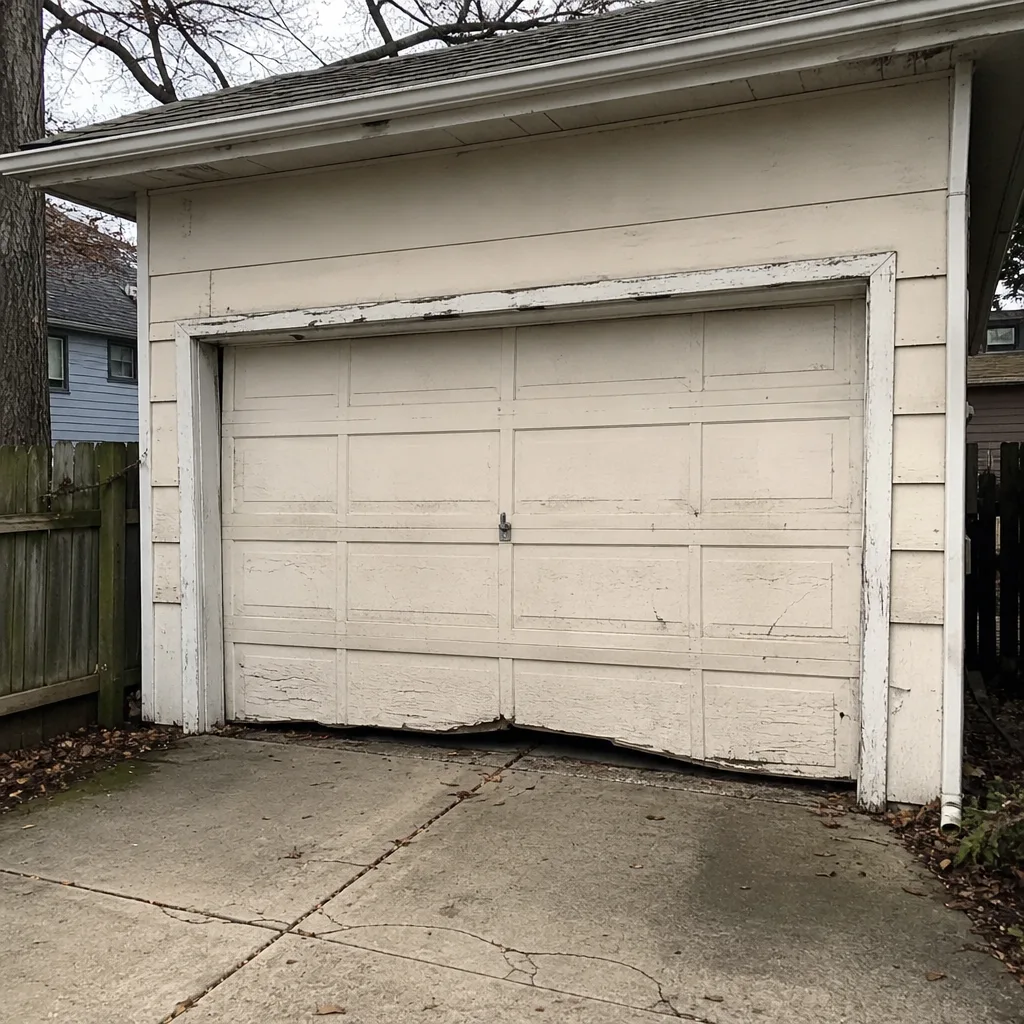 Before
 After
 Before
 After
 Before
 After