
Last updated November 23, 2026
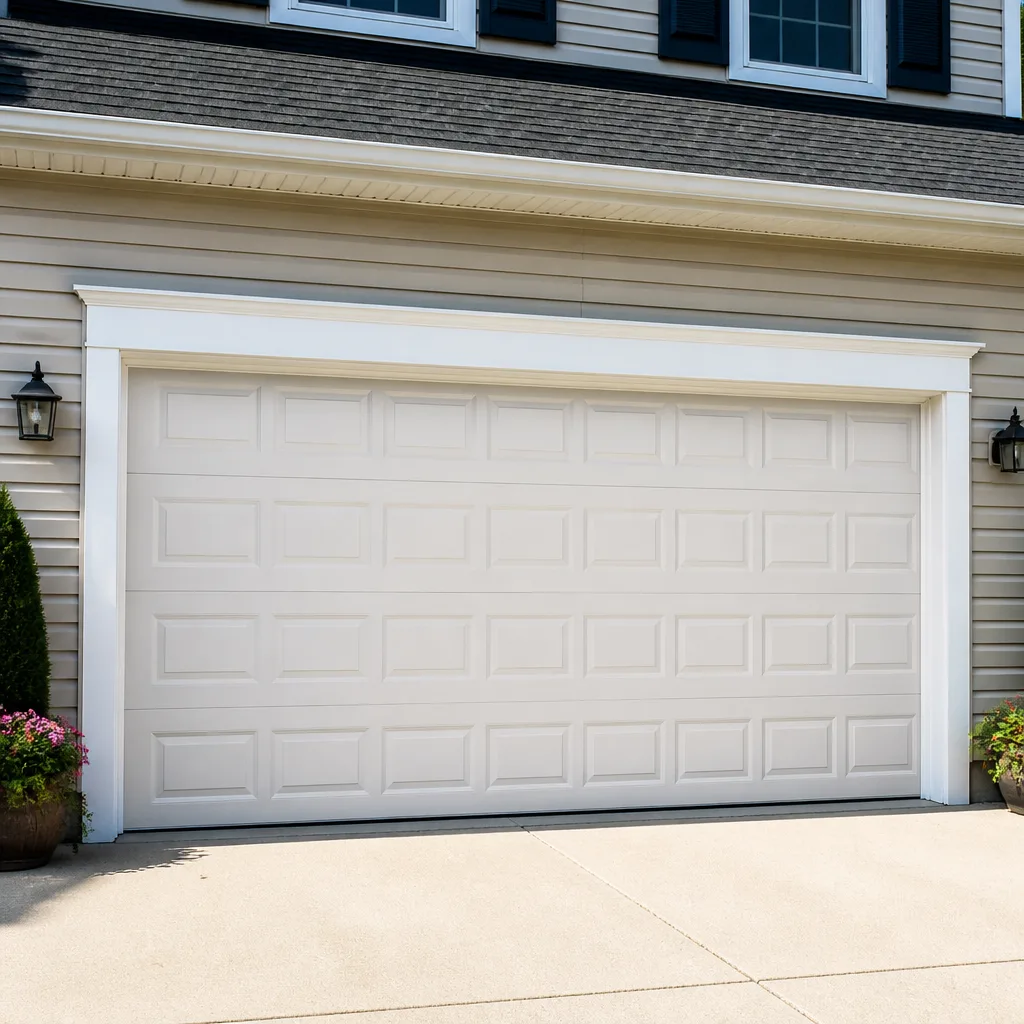 Raised-panel steel
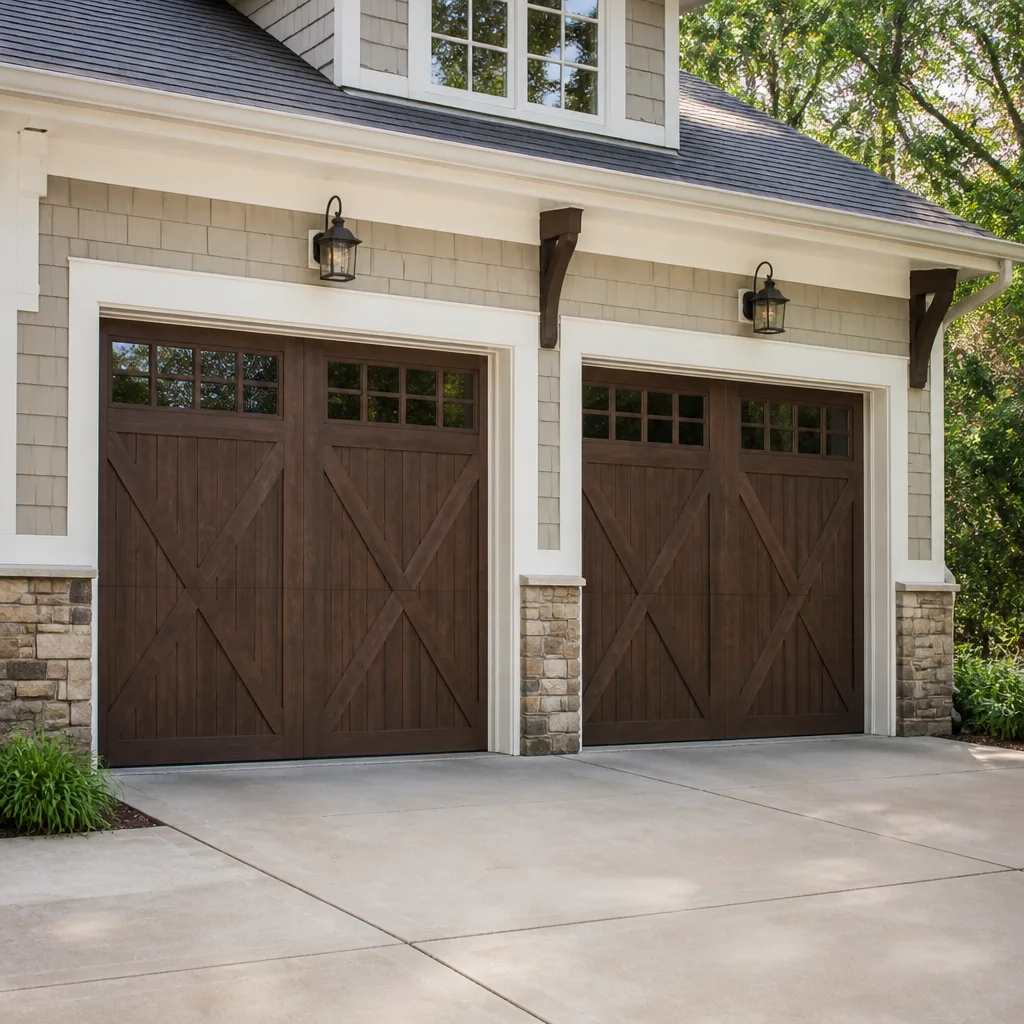 Carriage house
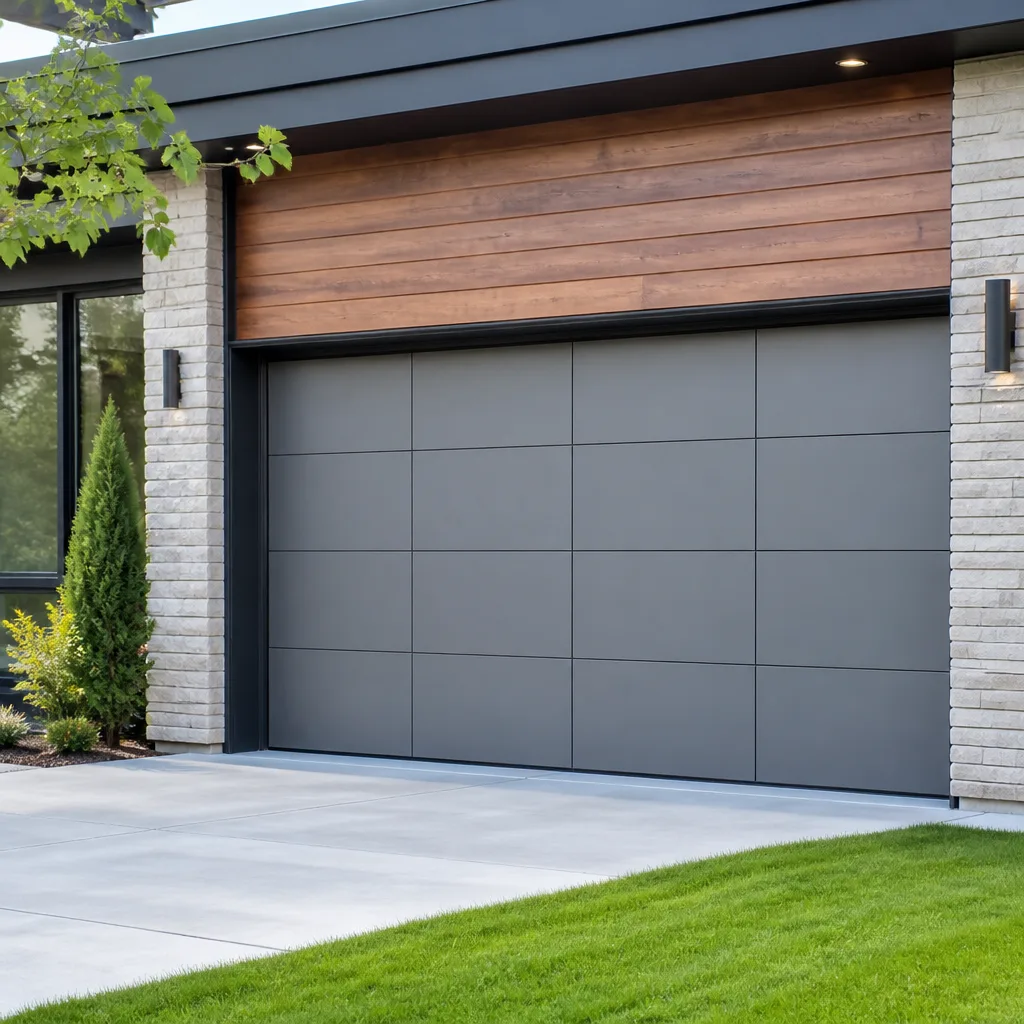 Modern flush
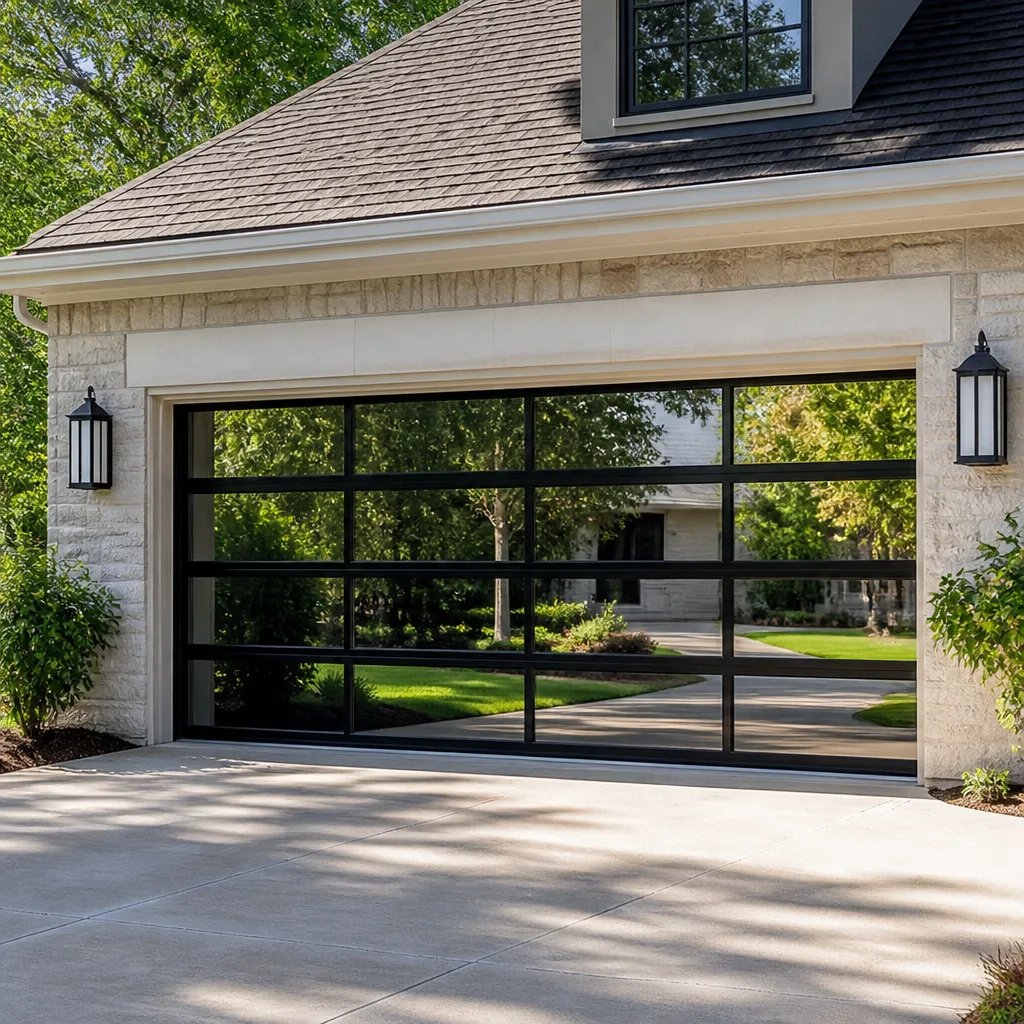 Full-view glass
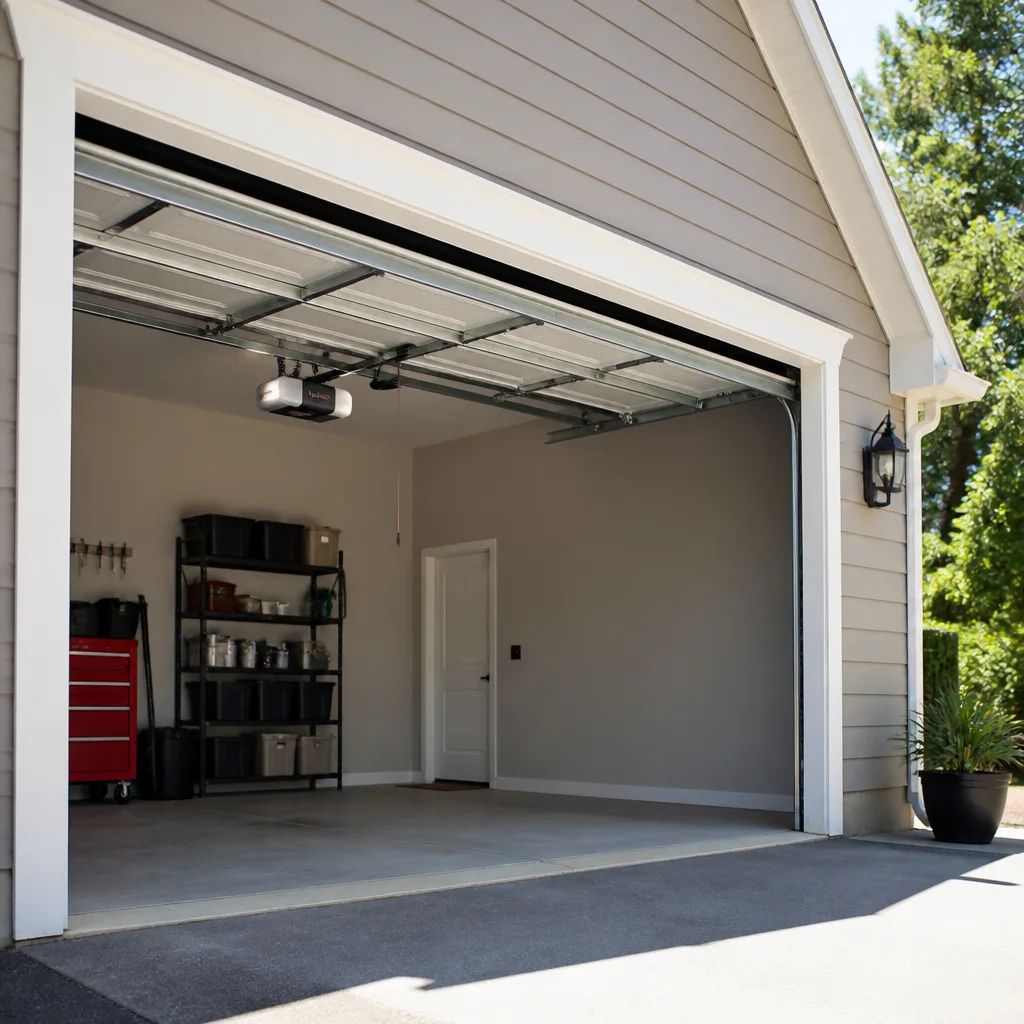 LiftMaster openers
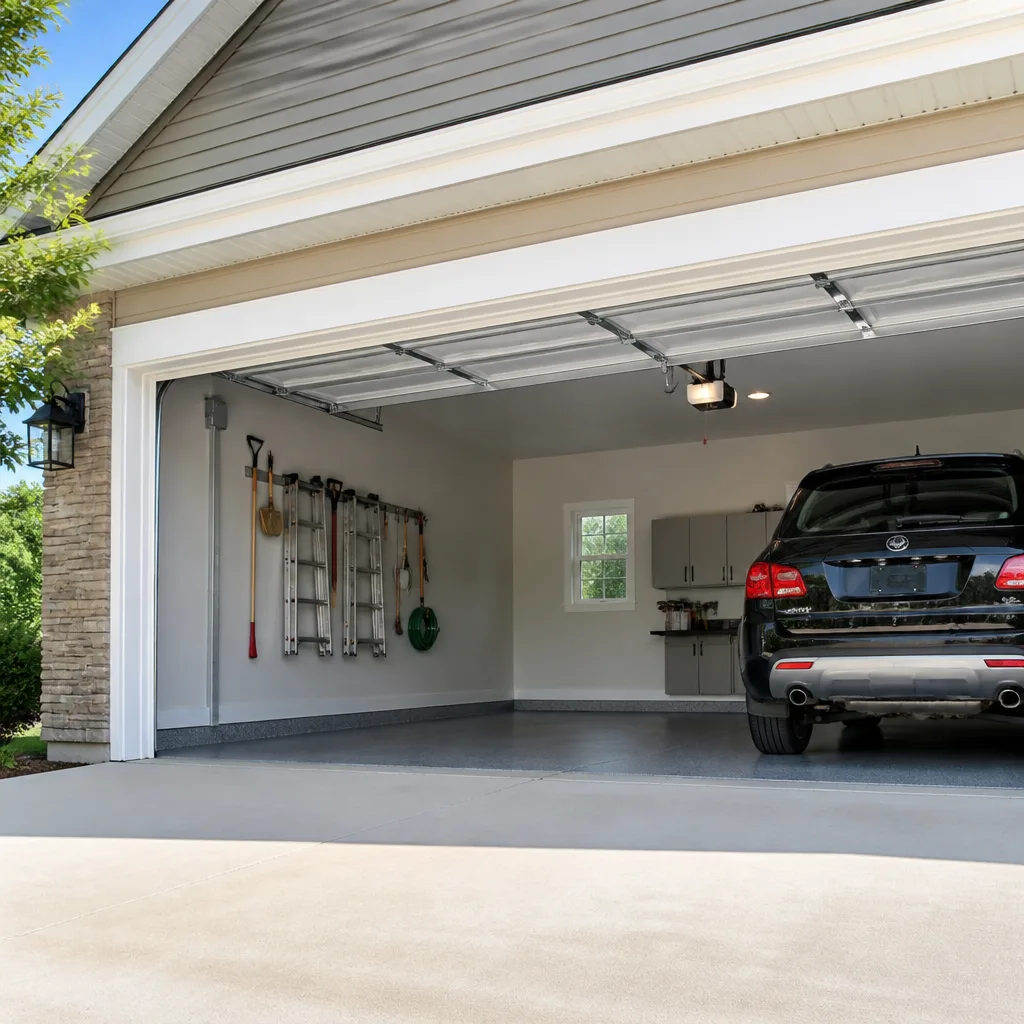 Chamberlain openers
Full 25-point door and opener safety check with every visit - springs, cables, rollers, tracks, and your LiftMaster or Chamberlain opener included
You get a price before we start. It does not change when the pro arrives.
Get your free estimateGarage Door Permits, Codes & Inspections in Evanston, IL: What You Need to Know
Most homeowners assume a garage door is simple enough to replace without asking the city. It’s a door, not an addition. But a garage door replacement triggers an Evanston building permit requirement more often than people expect, and unpermitted work has a way of surfacing on a title search when you sell, at the worst possible time. This guide maps exactly when a permit is required in Evanston, what the inspection actually checks, how the city’s historic district overlay rules change the picture, and who is responsible for pulling the paperwork when a contractor does the work. If you’re planning a door project in Evanston, read this before anyone touches the opening.
Quick Answer
In Evanston, a like-for-like garage door replacement on a typical single-family home usually does not require a building permit, but any project that changes the opening’s structure, alters the header, adds or rewires opener electrical, or touches a door in a historic district overlay almost always does. When a permit is required, the local licensed professional performing the work is generally responsible for pulling it and for meeting the inspector on site. Confirm the requirement with Evanston’s building department before work begins, and get the answer in writing from whoever is doing the job.
Styles & brands we work with
- Raised-panel steel
- Carriage house
- Modern flush
- Full-view glass
- LiftMaster openers
- Chamberlain openers
Table of Contents
- What Garage Door Work Requires a Permit in Evanston?
- What Evanston Inspectors Are Actually Looking For
- How Historic District Overlay Rules Affect a Visible Garage Door
- Opener Electrical: The Permit Question Homeowners Miss
- Who Pulls the Permit, and Who Is Liable If It’s Skipped?
- What If a Previous Owner Did Unpermitted Garage Door Work?
- Illinois Code, Local Amendments, and Where Evanston Fits
- What to Expect on Inspection Day
What Garage Door Work Requires a Permit in Evanston?
Evanston layers its own municipal inspection process on top of the Illinois building code, which is why the permit question is more nuanced here than in many neighboring towns. As a general rule, the city cares about anything that changes the building’s structure or its electrical system. It cares far less about swapping one door panel for another of the same size.
Here’s how the projects usually sort out:
- New garage door installation (like-for-like, same opening, same size): Typically no permit required. You’re essentially replacing a component, not altering the structure.
- New installation with opening changes (wider, taller, different door type): Almost always requires a permit. Resizing the opening means cutting or rebuilding the header and reframing, which is structural work.
- Structural header modification or reinforcement: Requires a permit. This is the single most common trigger, and the one homeowners underestimate most.
- Opener electrical work (new circuit, new outlet, hardwiring): Requires a permit and electrical inspection in most cases. Running a new dedicated circuit is electrical work, plain and simple.
- Opener replacement on an existing outlet: Usually no permit. Plugging a new LiftMaster or Chamberlain unit into a circuit that’s already there is a swap, not an electrical alteration.
- Spring, cable, track, or roller replacement: No permit. These are maintenance and repair, not construction.
- Any door visible from the street in a historic district overlay: Check with the city first, even if the work itself wouldn’t otherwise need a permit. Details below.
Two things to keep in mind. First, this is a general map, not a ruling. Call Evanston’s building department with your specific address and project before you commit, because the answer can hinge on details of your property. Second, if you’re working with a garage door specialist who handles installation in Evanston regularly, ask them to confirm the permit status in writing on the estimate. A contractor who does this work in Evanston knows what the city expects and shouldn’t flinch at the question. For straightforward repair and replacement, our garage door repair service is the relevant starting point.
What Evanston Inspectors Are Actually Looking For
If your project does require a permit, the inspection is your chance to confirm the door is safe, anchored properly, and electrically sound. The inspector isn’t grading the paint. They’re checking the three things that most often go wrong on a garage door install, and those same three are the most common failure points we’ve had to correct when a project was done without proper oversight.
Here’s what gets checked:
- Header load capacity. The header is the beam above the opening that carries the load from the structure above. If a door was widened or the opening changed, the inspector wants to see that the new header is sized and installed to carry that load. This is where a job done by guesswork falls apart: a header that looks fine but wasn’t engineered for the span will get flagged, and it’ll cost far more to fix later than to do right the first time.
- Anchorage and fastening. The door’s tracks and brackets need to be firmly anchored to structural framing, not to drywall or trim. The inspector checks fastener spacing, bracket attachment, and that the tracks are plumb and secure. Loose tracks are a safety issue, not just a noise issue: a door that jumps track can come down.
- Opener UL listing and safety reversal. Any automatic opener must carry a UL listing, and the inspector wants to see that the safety reverse function works. That’s the feature that sends the door back up if it meets an obstruction on the way down. Every major residential opener, whether it’s a LiftMaster, a Craftsman, or a Raynor, is built to this standard, but the reverse needs to be tested and set correctly on site. A unit installed without that check fails inspection, and more importantly, it’s a hazard around kids and pets.
What inspectors are not usually evaluating: aesthetics, door finish, panel style, or whether you chose a Clopay or an Amarr model. The inspection is about structure, anchoring, and electrical safety. It’s also worth saying plainly: the high-tension springs and cables on a garage door are under enormous force, and manufacturers are explicit that this is not a job for untrained hands. If a spring or cable seems involved in your project, that’s work for trained technicians with the right equipment. Our garage door spring repair team handles that side of the job, and a trained eye will also tell you whether the anchoring and track alignment pass the sniff test.
One more thing that frequently trips people up: a permit inspection is separate from your own walk-through. The inspector checks code compliance. You should still test the door yourself after the work, and so should whoever installed it.
How Historic District Overlay Rules Affect a Visible Garage Door
Evanston has several historic district overlays, and if your garage faces a street in one of them, the permit picture changes. The city isn’t just asking “is this safe?” anymore. It’s asking “does this door look right?” This matters most on detached garages and on homes where the garage is prominently visible from the street rather than tucked down a driveway.
The overlay rules interact with building permits in a few specific ways:
- Visible door replacements often need design review. A door visible from the street in a historic district may need to match the character, material, or style of the neighborhood. That means your first step is a call to the city, not a shopping cart.
- Design review and building permits can be separate steps. You may need to clear the historic overlay review before a building permit gets issued, or before work starts even if no building permit is required. Do these in the right order and you avoid re-doing paperwork.
- Not every overlay is identical. Different districts have different rules, and some homes sit on the edge of an overlay. Confirm your specific address with Evanston’s planning or building department rather than assuming you’re in or out.
- Opener and spring work usually isn’t affected. Overlay rules generally focus on the visible door assembly. Swapping an opener or repairing a spring generally doesn’t trigger historic review, though calling the city to confirm costs you nothing.
In our experience, homeowners in Evanston who run into slowdowns here usually hit them because they got the door ordered and the install scheduled before anyone checked the overlay. Do it in the reverse order: check, then order. Our full guide to Evanston Garage Door Repair Co covers the service side of the work once the paperwork’s settled.
Opener Electrical: The Permit Question Homeowners Miss
A lot of Evanston homeowners don’t think about opener electrical until a technician is already on site. The rule is simpler than it feels: swapping an opener on an existing outlet or circuit is generally fine without a permit. Adding a new circuit, a new dedicated outlet for the opener, or hardwiring anything new usually requires one, plus an electrical inspection.
The reason it matters: garage door openers draw current and need to be on a circuit sized and protected correctly. When an opener fails or gets replaced, a lot of people are tempted to have their handyman re-route the electrical while he’s already there. That’s fine if the wiring is existing. If it’s new, it’s electrical work, and it falls under the permit rules.
Here’s a simple way to tell which side of the line you’re on:
- Is the new opener plugging into an outlet that already exists? No electrical permit needed in most cases.
- Is anyone installing a new outlet, a new circuit, or hardwiring the opener? Check with Evanston’s building department first.
- Is the opener replacing an existing unit on the same circuit and same outlet? Swap only, no electrical permit in most cases.
- Are you adding a battery-backup system, a second controller, or an exterior keypad? These are usually just plug-and-add accessories on major units like LiftMaster, Chamberlain, or Genie systems, no permit.
- Are you installing an opener on a door that never had one? That usually requires a circuit and can require a permit. Treat it as an electrical project as well as a door project.
If the opener work and the electrical work both need doing, do them in the right sequence. Electrical first, then the opener install, so the inspection happens once and the door goes up on a circuit that’s already approved. Our garage door opener repair team handles opener swaps and knows when the job needs to pause for electrical sign-off.
Who Pulls the Permit, and Who Is Liable If It’s Skipped?
When a permit is required, Evanston generally expects the licensed contractor performing the work to pull it. That’s the standard arrangement in most municipalities, and it puts the responsibility for the inspection on the same person who’s doing the installation. The homeowner’s role is to see that the permit is pulled, not to do the electrical or structural math themselves.
The risk if a permit is skipped falls on both sides, but unevenly:
- On the contractor: Doing permitted work without a permit is a code violation, and the contractor carries the professional and legal exposure for it.
- On the homeowner: The work was done on your property, and it’s your property that gets flagged. At resale, an unpermitted garage door or header shows up in a title search, and the buyer’s lender can require it be corrected or made permitted before closing. That’s a delay nobody wants.
- On both: If the work needs to be re-inspected and corrected, someone pays for it. It usually isn’t cheap, because opening a finished wall or header again is a bigger job than the original.
There’s a practical way to protect yourself. When you get an estimate for a project that may need a permit, ask the contractor two questions in writing:
- Does this project require a permit in Evanston?
- If it does, will you pull it, and can you confirm the permit number on the paperwork?
If the answer is vague, that’s information worth having before you sign. A straightforward garage door company that works in Evanston regularly isn’t put off by the permit question. They already know the answer.
What If a Previous Owner Did Unpermitted Garage Door Work?
This comes up more often than people realize. You buy a house in Evanston, move in, and years later find out the garage door was replaced or the header was modified without a permit. You didn’t do the work. It’s your problem anyway, because you own the property.
Here’s how to think about it:
- If work is unpermitted but safe and compliant: In many cases you can pull a permit after the fact and get the work inspected. The inspector checks that it meets code, and you’re done. This is the smooth outcome.
- If work is unpermitted and doesn’t meet code: You either correct it now or discover it at resale. Correcting it on your own timeline is almost always cheaper than correcting it under a closing deadline.
- If you’re about to buy: Ask for the permit records on any garage door or structural work done to the property. The Evanston building department can usually confirm what’s on file for a given property.
- If you can’t find records either way: That’s not proof it was unpermitted. Some work was never required to have a permit in the first place. Have a licensed garage door company or a local contractor look at the header, tracks, and opener setup for safety, and ask the city whether the door itself required a permit. That answers the question.
The good news: unpermitted old work is usually less scary than it sounds. A garage door header, a set of tracks, and an opener either meet code or they don’t, and a trained eye can tell. The bad news: guessing isn’t worth the risk, especially on a door that’s been in use for years. Confirm and inspect.
Illinois Code, Local Amendments, and Where Evanston Fits
Illinois doesn’t adopt a single model building code statewide the way some states do. Different counties and municipalities adopt and amend different codes, and Evanston runs its own permitting and inspection process on top of that. In practice, this means two things for a garage door project.
First, the code that governs your project is the code adopted by the City of Evanston, not a generic state standard. That’s another reason the city’s building department is the right source of truth for your specific address. Second, when a contractor tells you “it meets Illinois code” without asking where you’re located, that’s a signal the contractor isn’t thinking about local rules. In Evanston, local rules matter.
The practical checklist:
- Confirm with Evanston’s building department whether your project needs a permit, and get the answer for your address.
- If a permit is needed, confirm who pulls it, and make sure the contractor has it before work starts.
- Ask what inspections are required, and plan the project sequence so inspections happen at the right stage (usually after structural and electrical work, before the finished door goes on).
- Keep the paperwork once you have it. The permit and inspection records are your protection at resale.
- If your contractor can’t or won’t answer these questions, that’s the signal to find one who will.
None of this replaces a call to the city. It’s the frame for the call, so you ask the right questions and understand the answers. Our garage door repair work often starts with a homeowner who just got an inspection result or a resale flag they didn’t expect, and the first step is usually confirming what the city is actually asking for.
What to Expect on Inspection Day
If your project requires inspection, the visit itself is usually short. The inspector is checking the structure, the anchorage, and the electrical, in that order. Knowing what they’ll look at helps you spot problems before they do.
A typical sequence for an Evanston garage door installation that requires a permit looks like this:
- Permit is pulled, and work is scheduled. The contractor coordinates with the city so the inspection happens at the right stage.
- Structural and electrical work is complete and accessible. The header, framing, and any new wiring are still visible when the inspector arrives. Once the door is finished, some of this becomes harder to check.
- Inspector reviews the header and anchorage. Fastener spacing, track attachment, and header condition are the focus.
- Inspector tests the opener. UL listing is confirmed, the safety reverse function is tested, and the door is cycled to check operation.
- Results are recorded. If everything passes, you have a record attached to your property. If something needs correction, the inspector lists it, and the contractor addresses it before the next visit.
Two practical notes. First, an inspection visit isn’t the same as a service call. If the door needs a spring or opener repair after it passes, that’s a repair job, not an inspection issue. Second, if the door fails, don’t panic. Most failures (a loose fastener, a safety reverse that needs adjustment) are small fixes at that stage, and much cheaper than discovering them after the wall’s closed up.
If you’re in Evanston and want to know what a well-installed, inspection-ready door looks like, or you’ve inherited a door from a previous owner and want it checked, call us. We can look at the tracks, springs, and opener and tell you what we’d flag, before the city does.
Common Mistakes to Avoid
- Assuming a door swap never needs a permit. A like-for-like swap on the same opening usually doesn’t. A door that changes the opening, the header, or the electrical picture usually does. Confirm with the city for your address, not for a neighbor’s.
- Ordering the door before checking historic overlay rules. In Evanston, a visible door in a historic district can require design review before you order. Do the review first and you avoid a door you can’t install as planned.
- Skipping the electrical permit on an opener install. New circuit, new outlet, or hardwiring: that’s electrical work, and it usually needs a permit and inspection. Plug-in swaps on existing outlets usually don’t.
- Letting an unlicensed handyman do the header work. If the opening changes, the header does too, and that’s structural. Get a licensed professional for anything structural, and make sure they pull the permit.
- Trusting a verbal “no permit needed.” Ask for it in writing on the estimate. A contractor who knows Evanston’s rules won’t mind putting it in print.
- Discovering unpermitted work at resale. Check the permit records when you buy, not when you sell. The Evanston building department can usually confirm what’s on file for a property.
- Attempting spring or cable work to save money. These components are under high tension, and manufacturers are explicit that this isn’t a DIY repair. The risk isn’t worth it.
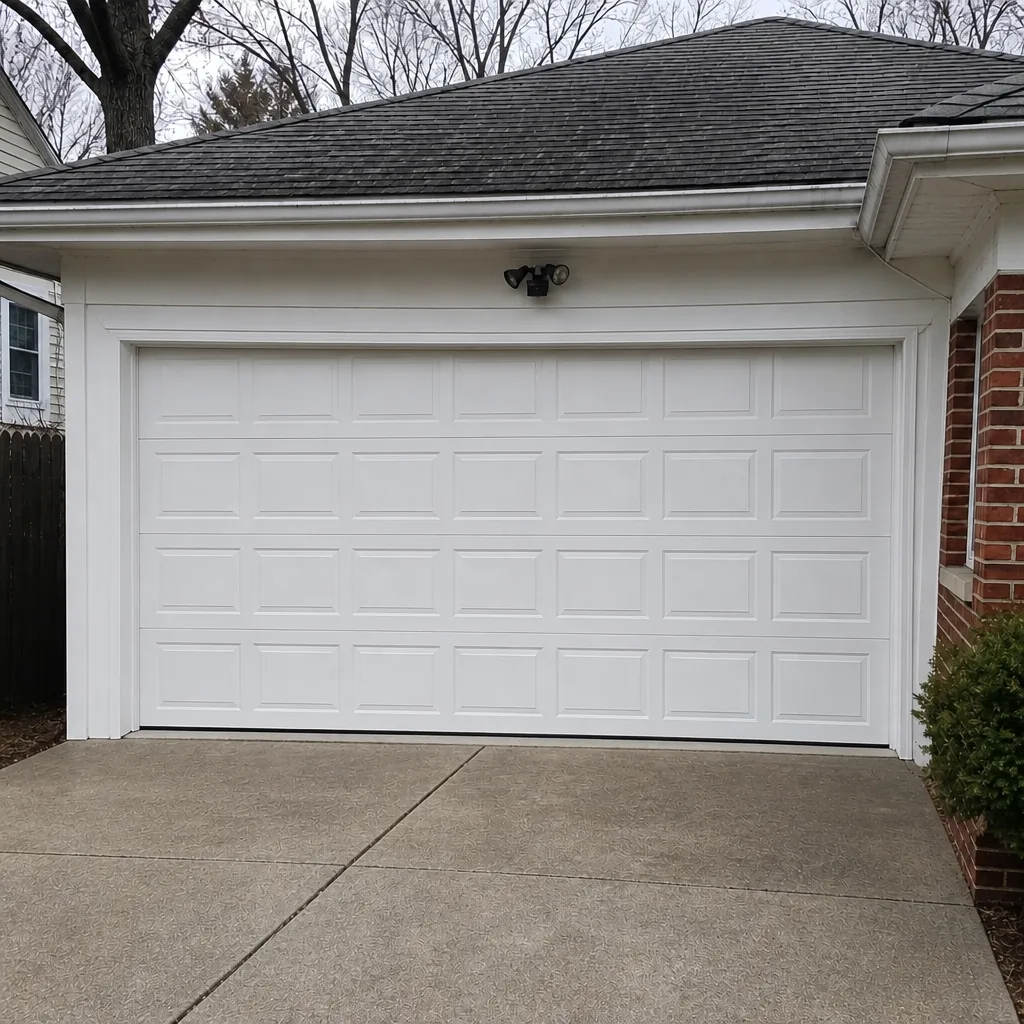
See the difference
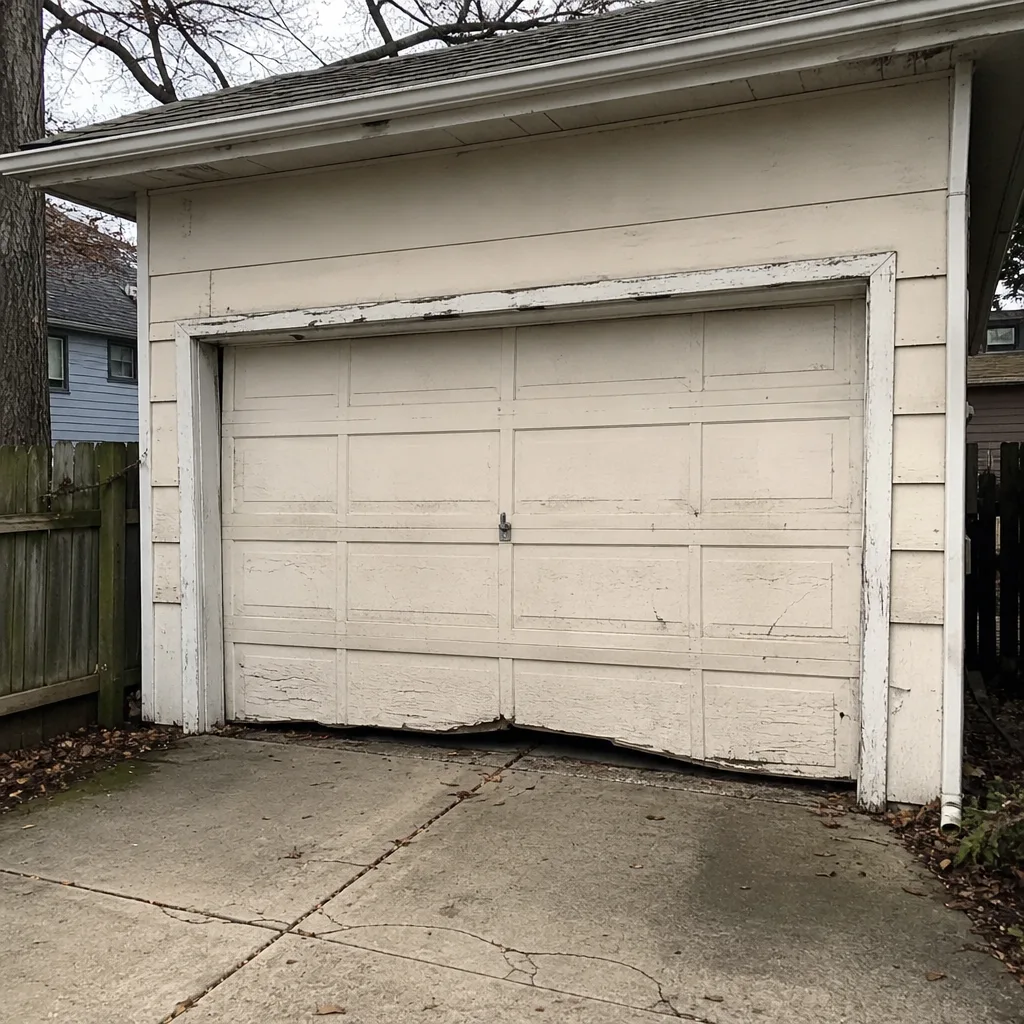 Before
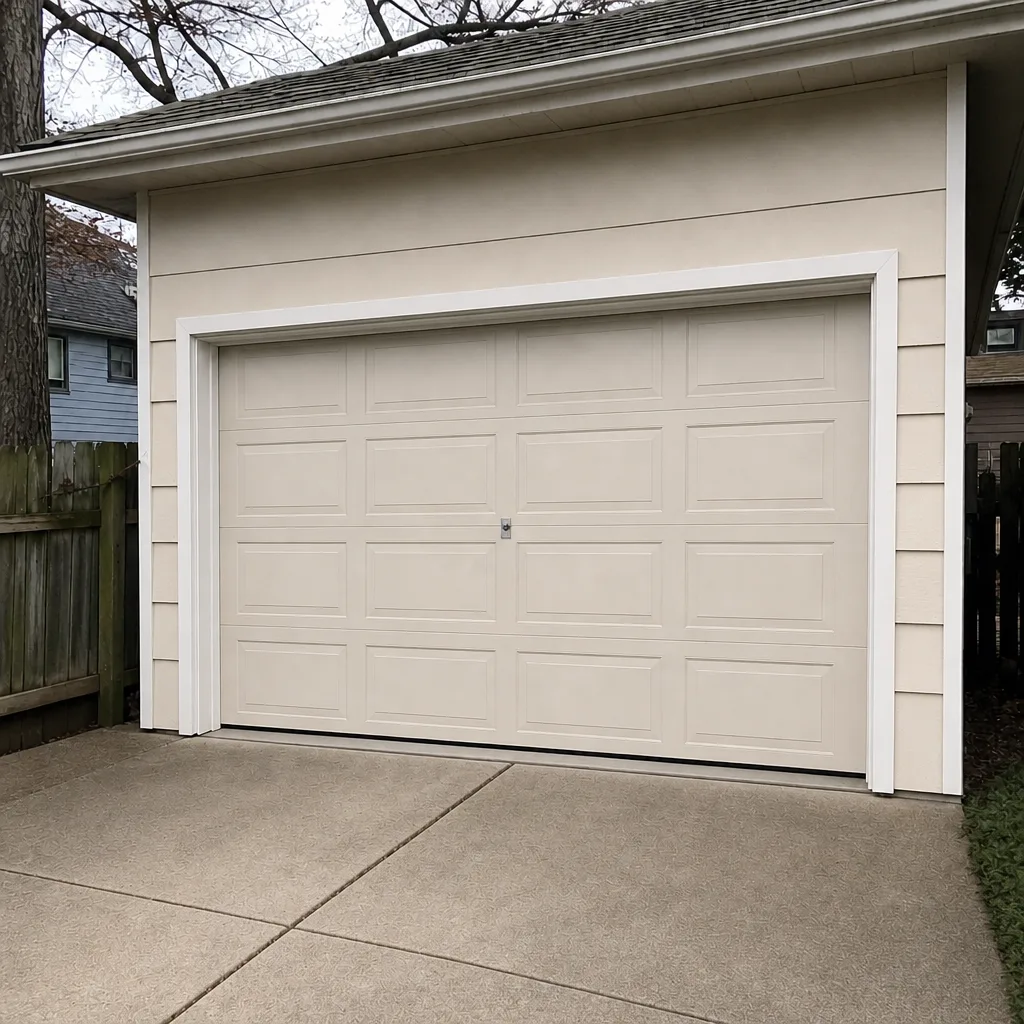 After
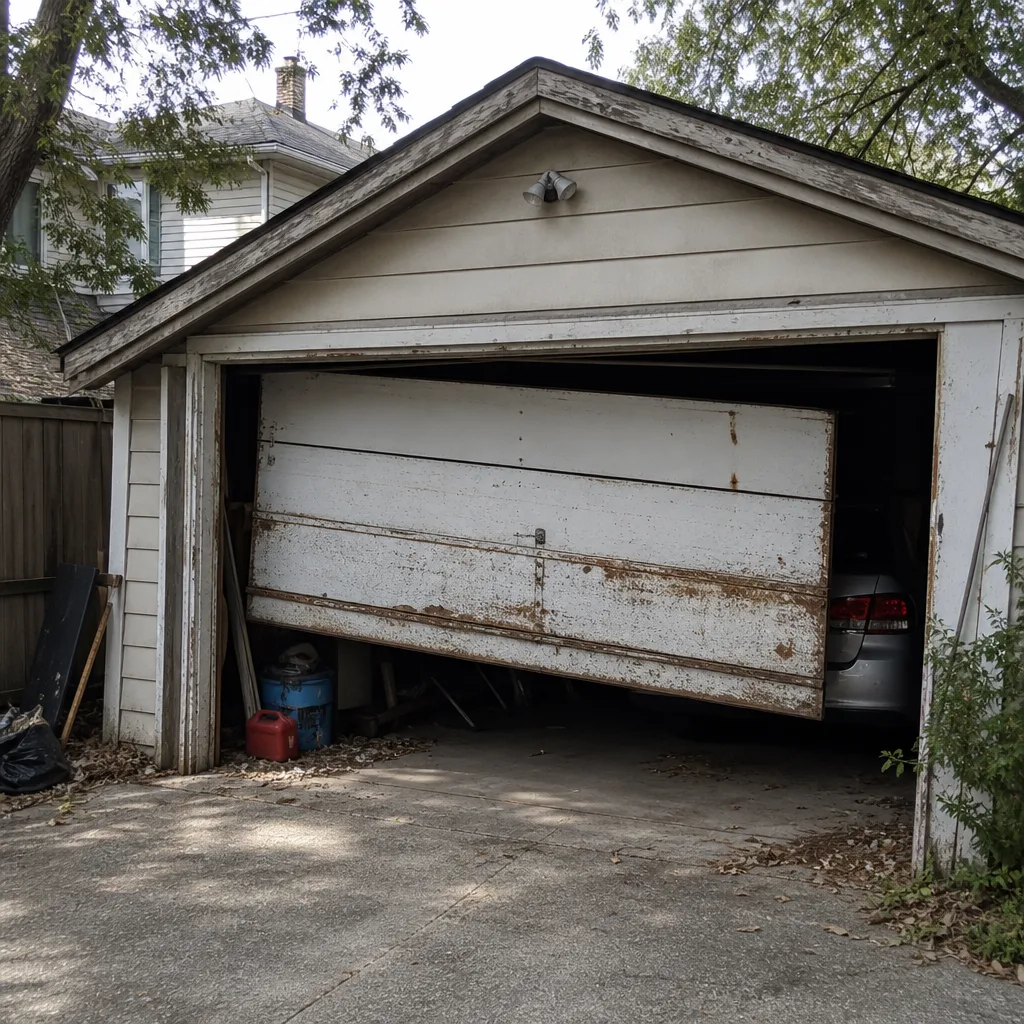 Before
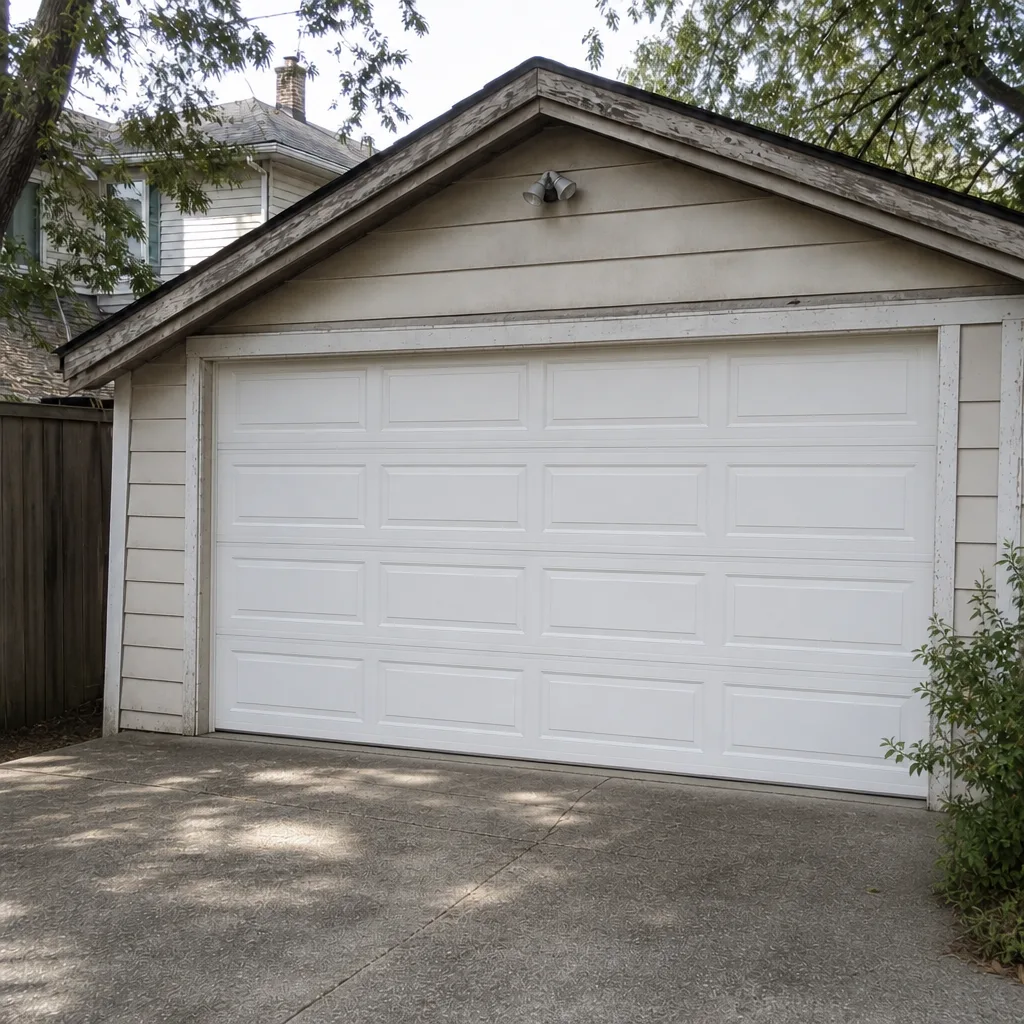 After
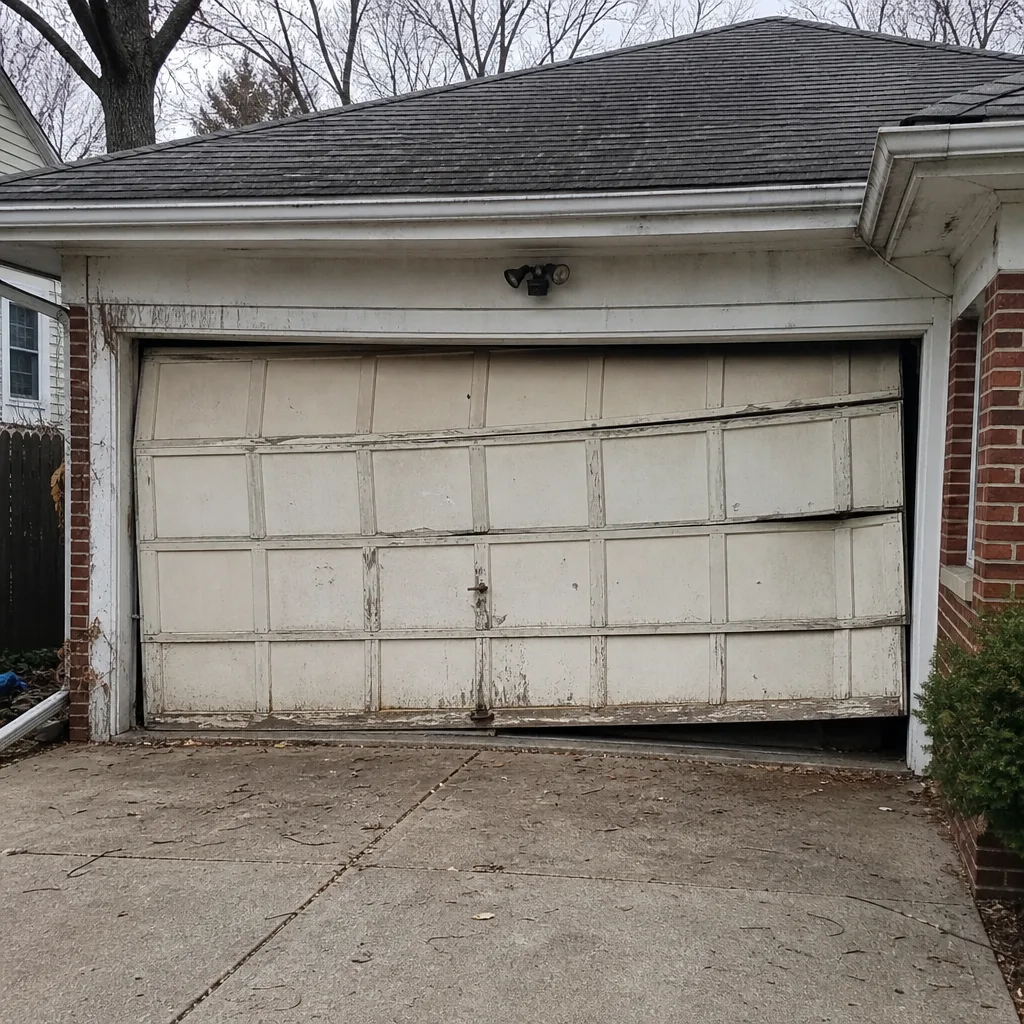 Before
 After
When to Call a Professional
Some garage door projects are genuinely simple and safe to handle as a homeowner, and a few are not. The line is worth drawing clearly. Call a trained professional if your project involves high-tension springs or cables, a header or structural change to the opening, new electrical work, a door that has jumped track or won’t stay down, or any inspection result you need to answer. If you’re not sure whether a permit applies, a licensed garage door company in Evanston can usually tell you whether the city will want to see the work, and the local pro is licensed and insured as their state requires. Our technicians have up to 9 years of experience and are trained to service eight leading brands, including LiftMaster, Chamberlain, Genie, Clopay, Amarr, Wayne Dalton, Craftsman, and Raynor, so they’ll recognize your system before they arrive. Evanston Garage Door Repair Co offers free estimates in Evanston, and we’re happy to look at whatever you’re dealing with. Call (877) 492-2506. We answer 24/7. Fast dispatch from 7am to 7pm, Sunday through Friday.
Frequently Asked Questions
It depends on the project. A like-for-like replacement on the same opening generally does not require an Evanston building permit, while anything that changes the opening, modifies the header, or adds opener electrical usually does. Confirm with Evanston’s building department for your address before work begins. Call (877) 492-2506 for a free estimate on the door work itself.
The licensed contractor performing the work generally pulls the permit and coordinates the inspection. As the homeowner, your job is to ask who’s pulling it and confirm the permit number before work starts. A contractor who works in Evanston regularly will already know whether your project needs one. Call (877) 492-2506 if you want a straight answer before you schedule.
Swapping an opener on an existing outlet or circuit usually doesn’t need a permit. Adding a new circuit, a new dedicated outlet, or hardwired electrical work usually does, plus an electrical inspection. When in doubt, ask the city. Call (877) 492-2506 for an exact quote on the opener work, estimates are free.
It can. Unpermitted structural or door work shows up in a title search, and the buyer’s lender can require it be corrected or permitted before closing. If you find unpermitted work, you can often pull a permit after the fact and get it inspected. Ask Evanston’s building department to confirm what’s on file for your property, then get the work checked by a licensed professional.
Three things most often: header load capacity, proper anchorage and fastening of the tracks and brackets, and a UL-listed opener with a working safety reverse function. Those are the common failure points on a garage door inspection. The inspection is about structure and safety, not style. Call (877) 492-2506 if you want a licensed professional to pre-check the door before inspection day.
Pricing is set per job by a written estimate, so the quote you agree to before any work starts is the price for that scope. If the project turns up something structural or electrical that needs a permit, that gets quoted separately and agreed before anyone proceeds. Call (877) 492-2506 for a free estimate on your Evanston project.
The Bottom Line
In Evanston, a garage door replacement triggers a building permit more often than homeowners expect. The rule of thumb: like-for-like swaps on the same opening usually don’t need one, but structural header work, opening changes, new opener electrical, and any visible door in a historic district overlay usually do. When a permit is required, the licensed contractor should pull it, and you should confirm that in writing before work starts. The three things inspectors check are header capacity, anchorage, and a UL-listed opener with a working safety reverse. Keep the paperwork, because it’s your protection at resale. Confirm the rules with Evanston’s building department for your address, and get the work done by someone who already knows them.
If you’re in Evanston and want a free estimate on a repair, an installation, or a pre-inspection check, call Evanston Garage Door Repair Co at (877) 492-2506. We answer 24/7, fast dispatch from 7am to 7pm, Sunday through Friday. Our technicians have up to 9 years of experience across every major brand, and the price is quoted and agreed before any work starts.
Written by the team at Evanston Garage Door Repair Co.