
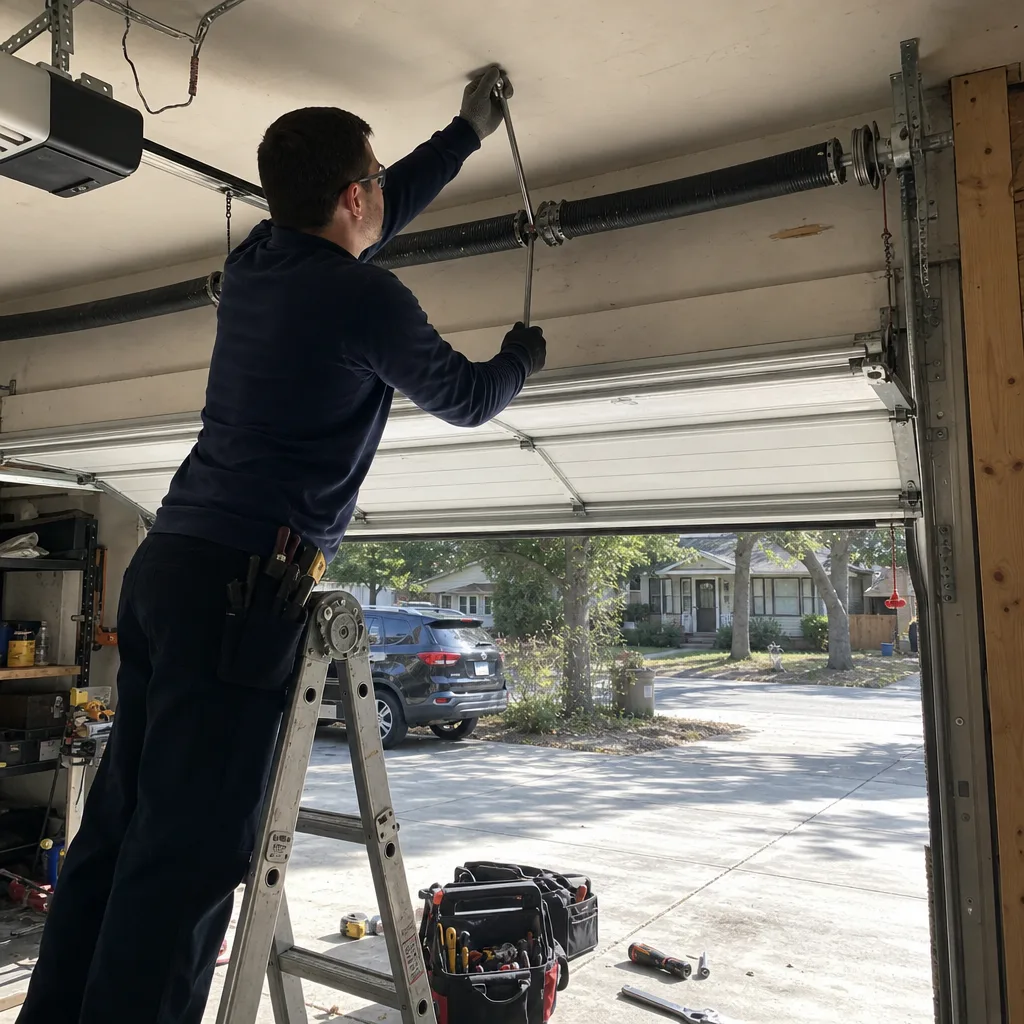
Last updated November 23, 2026
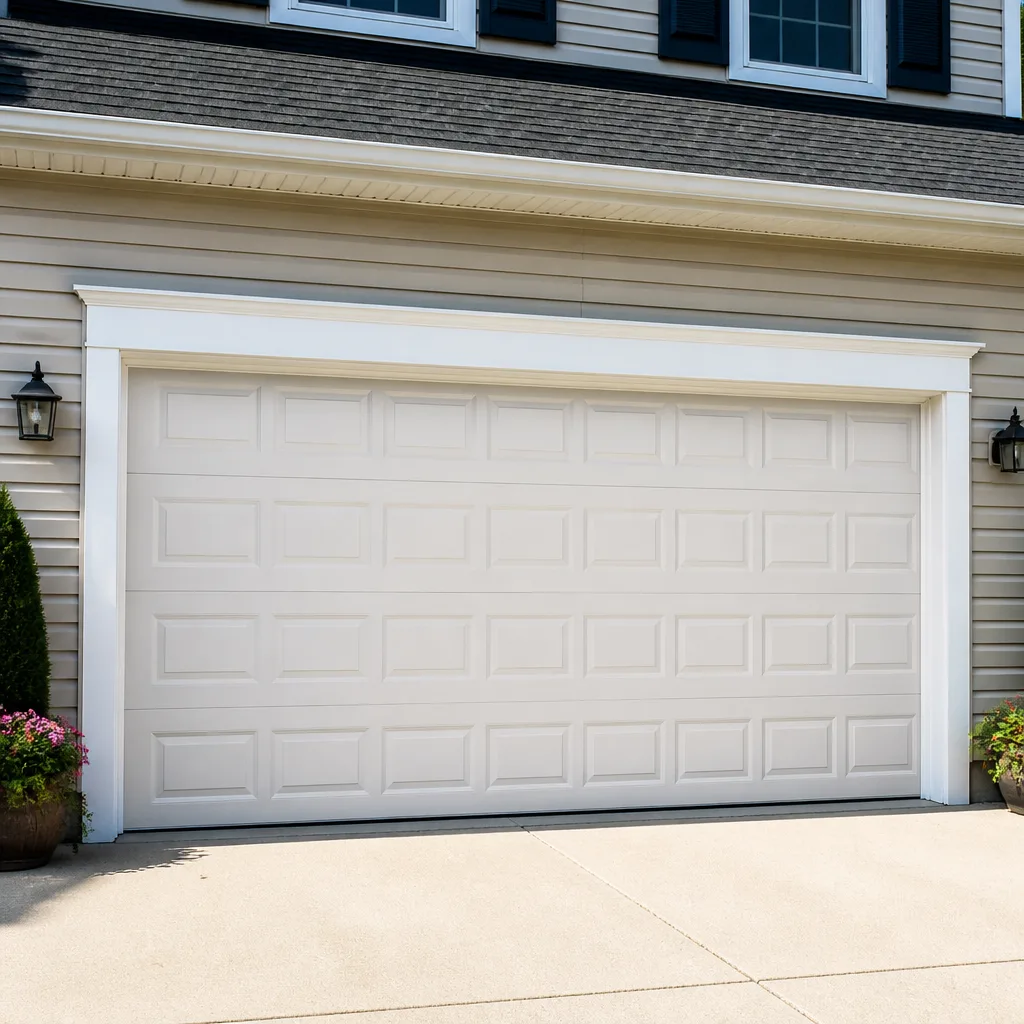 Raised-panel steel
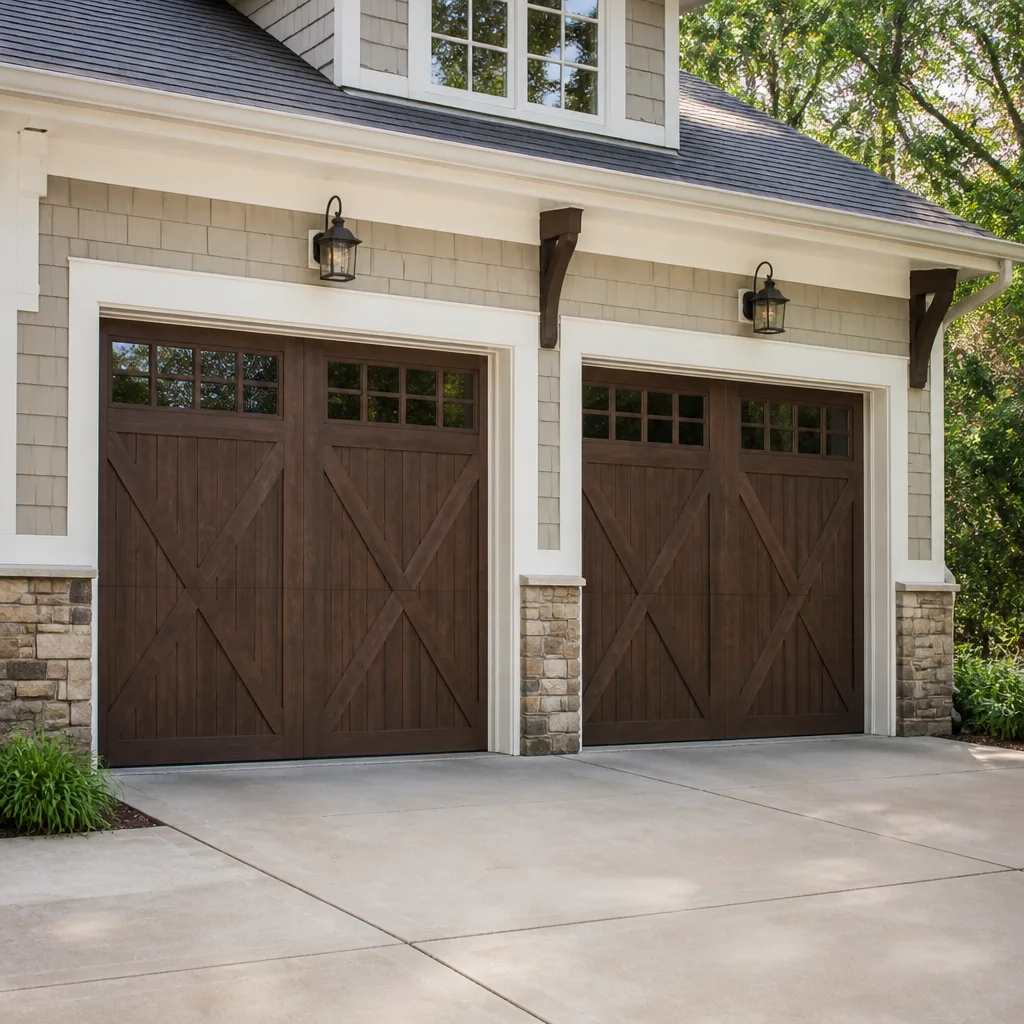 Carriage house
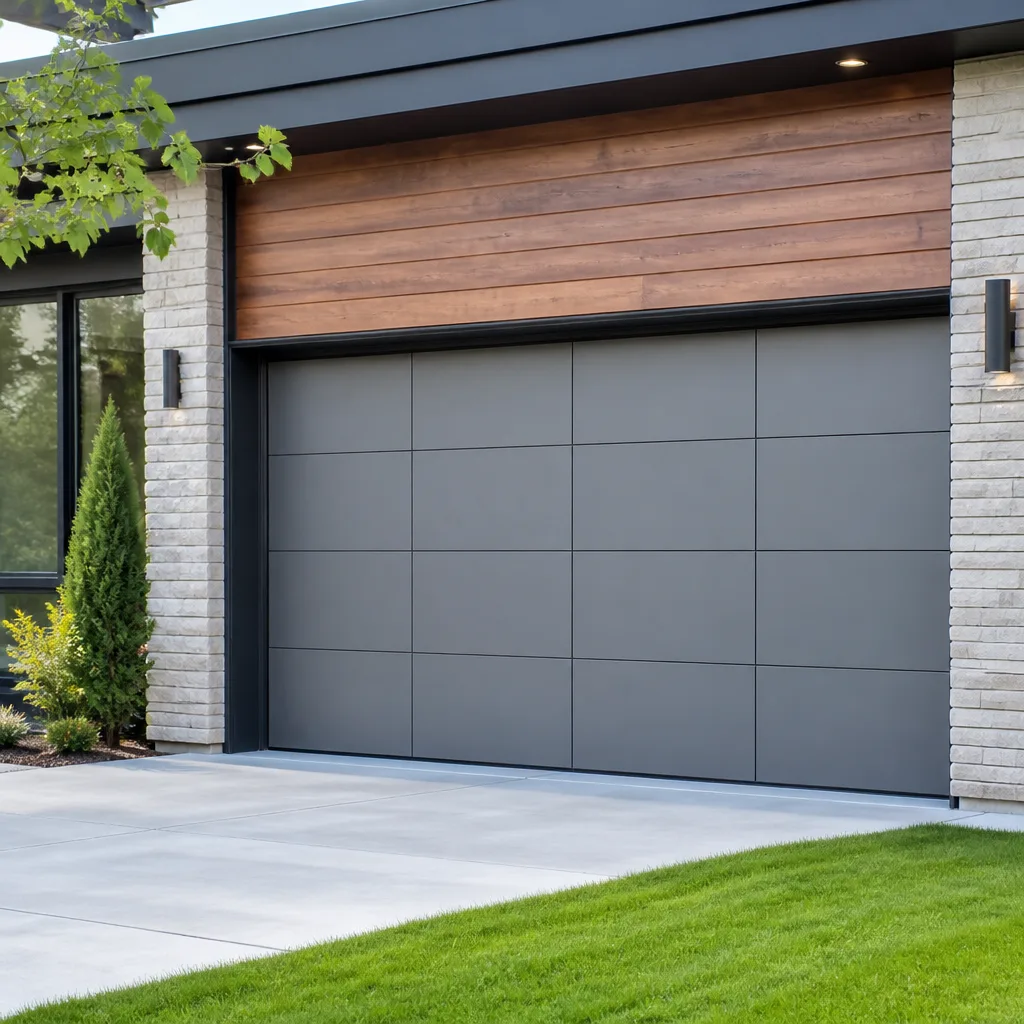 Modern flush
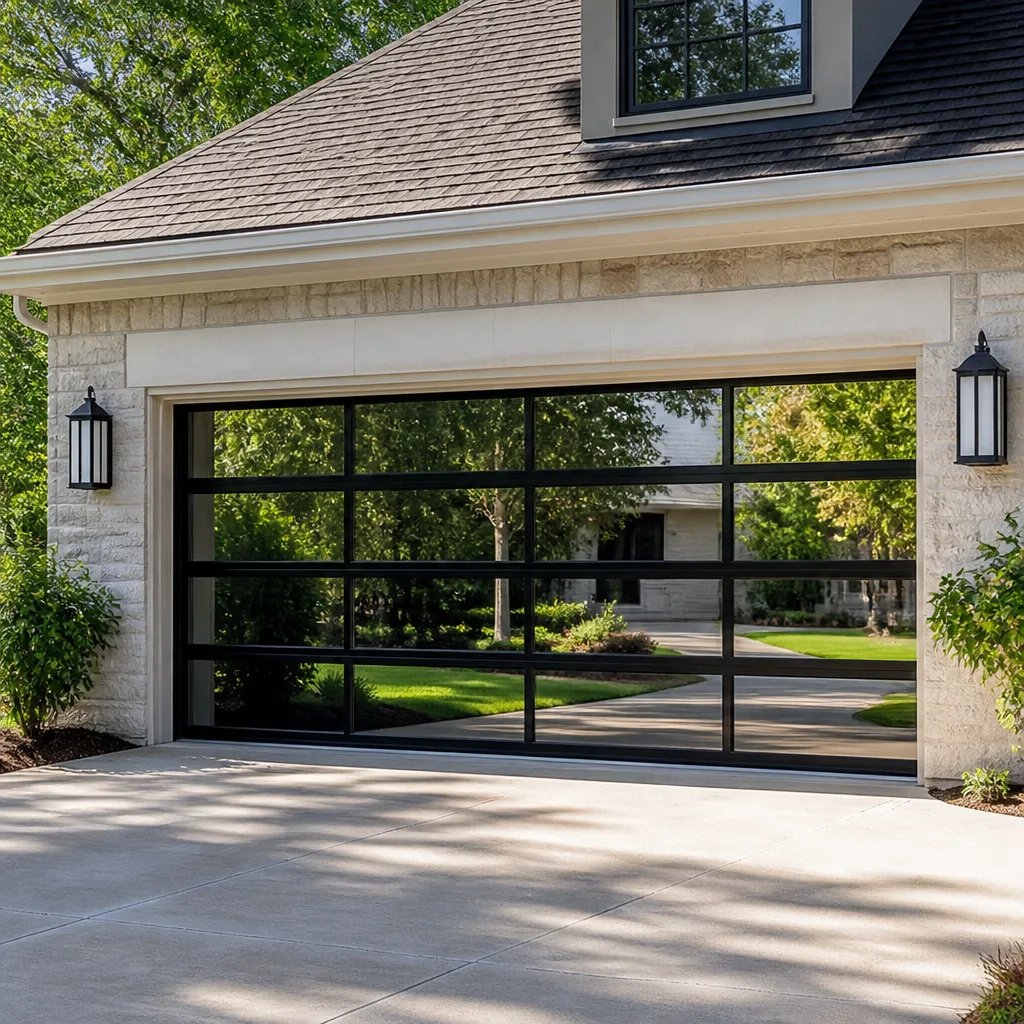 Full-view glass
 LiftMaster openers
 Chamberlain openers
Full 25-point door and opener safety check with every visit - springs, cables, rollers, tracks, and your LiftMaster or Chamberlain opener included
You get a price before we start. It does not change when the pro arrives.
Get your free estimateDIY vs Professional Garage Door: The Evanston Homeowner’s Decision Guide
A torsion spring stores enough torque when it’s wound to move a door that weighs well over a hundred pounds, and the most common DIY misconception is that this makes the spring a no-go zone while everything else on the door is fair game. The truth is more useful than that: the garage door is a set of systems, and the DIY line runs through the middle of it, not around the edge. Lubrication, sensor alignment, remote programming, and weatherstripping are genuinely homeowner-safe in an Evanston garage. Springs, cables, and panel replacement are not. This guide draws that line task by task, so you know exactly where your own competence ends and a trained technician begins.
Quick Answer
You can safely handle lubrication, photo-eye alignment, remote and keypad programming, and weatherstripping on your own. You should not touch torsion or extension springs, lift cables, or bottom brackets. Opener installation sits in a gray zone: the electrical side is DIY-legal in Illinois, but mounting a new opener on an older Evanston garage often involves structural judgment a homeowner can’t make from the instruction manual. Everything below explains which side of the line each task falls on, and why.
Styles & brands we work with
- Raised-panel steel
- Carriage house
- Modern flush
- Full-view glass
- LiftMaster openers
- Chamberlain openers
Table of Contents
- Where the DIY Line Actually Sits
- The DIY-Safe Jobs (Do These Yourself)
- The Jobs That Require a Professional
- The Insurance Angle Most Homeowners Miss
- Opener Installation: The Gray Zone
- The Hidden Cost of a Failed DIY Attempt
- What “DIY-Adjacent” Looks Like
- Why Evanston Seasons Shape the Decision
Where the DIY Line Actually Sits
The garage door isn’t one mechanism. It’s four systems stacked on top of each other, and each one carries a different risk profile when you get it wrong. Understanding that split is what turns a vague “should I call someone” into a clear yes or no.
- The door assembly. Panels, hinges, rollers, tracks, and the bottom bracket. Panels and rollers are mostly surface work, but the bottom bracket holds the cable under tension and is not safe to loosen.
- The counterbalance system. Torsion springs, extension springs, and the lift cables. This is where the stored energy lives, and this is where DIY becomes dangerous.
- The opener and drive system. Motor, rail, belt or chain, wall control, safety sensors, and remotes. The electronics are approachable. The mounting and travel setup are not always straightforward.
- The weather seal. Bottom seal, side seals, and threshold. Lowest risk, highest payoff for a homeowner with an afternoon free.
In our experience, the calls that start with a homeowner who tried to “just adjust” a spring, and end with a door that’s stuck half-open, are the most expensive of the year. Our technicians have up to 9 years of experience, and the pattern holds: the jobs that go wrong are the ones where the risk was underestimated, not the skill. If you’re ever uncertain which system you’re actually looking at, the team behind Evanston Garage Door Repair Co can walk you through it.
The DIY-Safe Jobs (Do These Yourself)
Four core tasks are genuinely within a homeowner’s reach, and doing them yourself saves you a service call without putting anyone at risk. These are the ones we actively encourage.
- Lubrication. Clean the rollers, hinges, and pivot points, then apply a proper door lubricant (not WD-40, which attracts dust and dries out hinges). One pass per season is usually enough.
- Photo-eye alignment. If the door reverses on its own, or the opener blinks a sensor code, the two photo-eyes are usually misaligned or dusty. Wipe them clean, nudge them until the indicator light on each side goes solid, and re-test the door.
- Remote and keypad programming. New remotes for a garage door opener repair follow the same pairing sequence the manual describes: press the “learn” button, then the remote button within the window, and confirm the light flashes. Remotes for Raynor and LiftMaster units are especially easy to program once you know the button location.
- Weatherstripping. The bottom seal wears out from Chicago-area freeze-thaw cycles long before anything else on the door fails. A replacement bottom seal slides into the retainer and cuts to length with a utility knife. Side seals are similar.
None of those jobs touch a loaded spring or a tensioned cable. That’s the test: if the task doesn’t put your hands on stored energy, it’s a candidate for DIY. If it does, it isn’t.
The Jobs That Require a Professional
The garage door spring is one of the most hazardous components in residential maintenance, and manufacturers explicitly warn against adjusting or replacing one without proper tools and training. That warning exists for a reason. Torsion springs are wound under high tension, and extension springs store the same energy along the side of the door. A single slip can release that energy with enough force to seriously injure.
The jobs that need a trained technician:
- Torsion spring replacement. Both springs are usually replaced together, and the winding bars need to be the correct size for the spring’s diameter.
- Extension spring replacement. The safety cables and the spring’s anchor points both need to be verified after installation.
- Lift cable replacement. Cables run under tension through the drums. They must be re-terminated on the drum, and the door’s balance must be re-tested afterward.
- Bottom bracket work. The bracket holds the cable at the bottom corner, and loosening it without first securing the cable is a common and dangerous mistake.
- Track realignment after an impact. If a car backed into the door, the tracks, panels, and cables have all shifted and need coordinated adjustment.
Spring work is a safety conversation, not a scheduling convenience. If your spring has failed, we’d rather you call and book a technician than attempt it yourself. For anyone in Evanston, garage door spring repair covers the diagnosis, the matched spring pair, and the balance test in one visit.
The Insurance Angle Most Homeowners Miss
Homeowners insurance typically covers damage to the home, not the person doing the work. That distinction matters if a neighbor is helping you and gets hurt, or if a bad DIY repair leads to injury. Your policy may respond under liability coverage, but it can also deny a claim if the work was performed improperly or by an unqualified person. The right move is to read the exclusions in your own policy rather than assume.
What to look at:
- Liability exclusions. Look for language around “intentional acts,” “unqualified work,” or “injury during maintenance.” Each insurer writes this differently.
- Coverage for others. If a friend is helping and is injured, your liability coverage is the relevant section – not medical payments, which usually applies only to people who live with you.
- Property damage from a failed repair. If a door collapses onto a car, the damage to the car may fall under your auto policy, not your homeowners policy. Confirm with your agent.
We can work with your insurer to document the repair after the fact, but the policy terms are between you and the carrier. A single call to your agent clarifying those exclusions is worth ten minutes before you decide to take on a risky repair.
Opener Installation: The Gray Zone
Replacing a garage door opener yourself is legal in Illinois as long as you’re not pulling a new circuit into the panel, and most homeowners with basic tool comfort can handle the low-voltage side. The problem in Evanston isn’t the wire. It’s the ceiling the opener attaches to.
Many garages in Evanston are older, and the structural reality behind the ceiling tells a different story than a newer build. The opener’s mounting bracket hangs from the framing above, and on older construction that framing may not run in the expected direction, may already be sistered from a previous install, or may not be visible until you cut into the ceiling. The rail must also be installed at the correct height and angle so the door travels evenly. Get that wrong and the door sticks halfway up, which is a repair bill on top of the opener cost.
We see this frequently with belt-drive units from Chamberlain and Genie, which are quieter than chain drive but more sensitive to rail alignment. If you’re installing a Chamberlain or Genie unit in an older Evanston garage and the ceiling framing doesn’t line up cleanly, that’s the moment to call in someone who’s mounted openers on that kind of framing before. Our technicians have installed and serviced all the major brands, so they know what’s supposed to hold the bracket and what’s supposed to be re-framed.
A free measure and a written price beats a re-mount after a wobbling opener. Call (877) 492-2506 to book a measurement. We answer 24/7. Fast dispatch from 7am to 7pm, Sunday through Friday.
The Hidden Cost of a Failed DIY Attempt
The cost of undoing a botched DIY job is almost always higher than the original professional repair would have been. That’s not a scare tactic; it’s how the arithmetic works. A spring replacement is priced on a known job. Undoing incorrect work means the technician first has to return the door to a stable state before the actual repair can start.
Here’s what makes a DIY failure expensive:
- Stripped drum or cable damage. If a cable was re-terminated incorrectly or a drum was forced, the replacement parts cost more than the original repair.
- Bent panels from a door that came down unevenly. Panels are the most visible and most expensive component of the door.
- Opener bracket damage. A misaligned opener that lifts the door unevenly can crack the rail or strip the drive gear.
- Additional visit time. The technician needs to diagnose what the previous attempt did, then plan the correct repair.
The cleanest comparison: one call for the original repair, versus one call to fix the repair and one call that would have fixed it the first time. Professional repair at the outset is the cheaper route on any job where the risk is real. For the full range of what a repair covers, our garage door repair page lays out the common failures and what a typical visit involves.
What “DIY-Adjacent” Looks Like
There’s a middle category most homeowners don’t think about: the prep work you can do before the technician arrives that shortens the visit and reduces the billable time. That’s where DIY actually pays off on the jobs you shouldn’t do alone.
- Clear the garage floor. Empty the space directly under the door and about four feet out from the tracks. That’s the working zone.
- Move the car. A car under the door is an obstacle for both the technician and the door’s swing path. If the door is stuck open, park outside.
- Note the symptoms. Does the door stop halfway up? Does the opener flash a code? Does the door reverse on its own close? Write it down and have the numbers ready when the technician asks.
- Photograph the whole door and the opener label. The label tells the technician the brand and model, which speeds diagnosis and confirms parts are on hand. Photos of both openers and the opener head cover most of what we need.
- Test the manual release. When the door is fully closed and no one is under it, pull the red release handle. If the door doesn’t lift manually with one hand, the spring is likely the problem and the door shouldn’t be operated.
None of those steps put anyone at risk. All of them shorten the visit. That’s the version of DIY that makes sense on a service call.
Why Evanston Seasons Shape the Decision
Evanston’s climate is a real factor in what fails and when. Freeze-thaw cycles between Lake Michigan and the inland neighborhoods stress the bottom seal and the door’s pivot points more than a mild climate would. Summer humidity swells wooden door panels and can throw door balance off by an inch or two. The result is that a door that ran perfectly in October often has a complaint by February, and the complaint is usually about rollers, seals, or alignment rather than anything that needs a spring replacement.
That matters for the DIY decision because the most common seasonal problems are also the most DIY-safe. Winter brings a bottom seal that’s cracked or torn and lets cold air in – replace it yourself. Summer brings rollers that squeak – lubricate them yourself. The problems that actually require a professional (springs, cables, opener replacement) fail on their own schedule, not the season’s.
One local detail: garages in Evanston that face north or east often take longer to dry out after a cold snap, and the bottom seal is the first thing to show it. If your seal is cracked and the door still moves freely, that’s a solo job. If the door is sagging, jamming, or refusing to close under its own weight, that’s a call. We cover opener issues under garage door opener repair and spring issues under professional spring service; both are the right number to call when a seasonal repair turns structural.
Common Mistakes to Avoid
- Using WD-40 as a lubricant. It’s a solvent, not a door lubricant, and it dries out hinges and attracts grit. Use a proper garage door lubricant.
- Loosening the bottom bracket to “just check” the cable. The bracket holds the cable under tension and should never be loosened by a homeowner, even for inspection.
- Assuming the photo-eye is the problem when the door won’t close. A door that reverses on close can be caused by a misaligned sensor, a binding track, or a failing opener logic board. Test the sensor light first, then escalate.
- Replacing one spring out of a matched pair. Springs wear together. Replacing one leaves the door unbalanced and the other spring near failure. Always replace both.
- Mounting a new opener to a rusty or sagging bracket. A new opener on old, weak mounting hardware is a repeat failure waiting to happen. Inspect the bracket before installing anything.
- Cutting a bottom seal to length without measuring both ends. Especially on wider doors, the seal needs an equal cut on each end to sit flush in the retainer.
- Ignoring a door that’s heavier to lift than it used to be. That’s the earliest sign of a tired spring. Hoping it “works itself out” is how you end up with a door that stops halfway up in a cold snap.
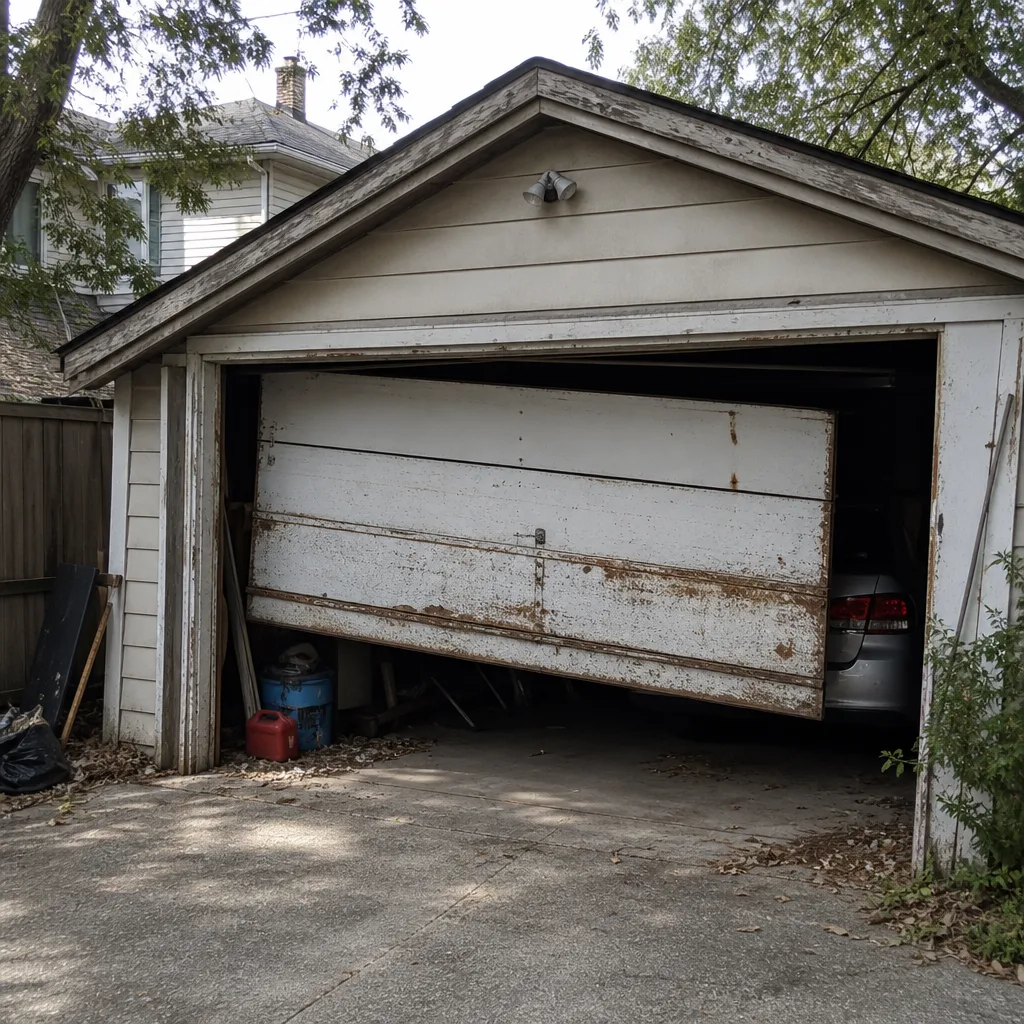
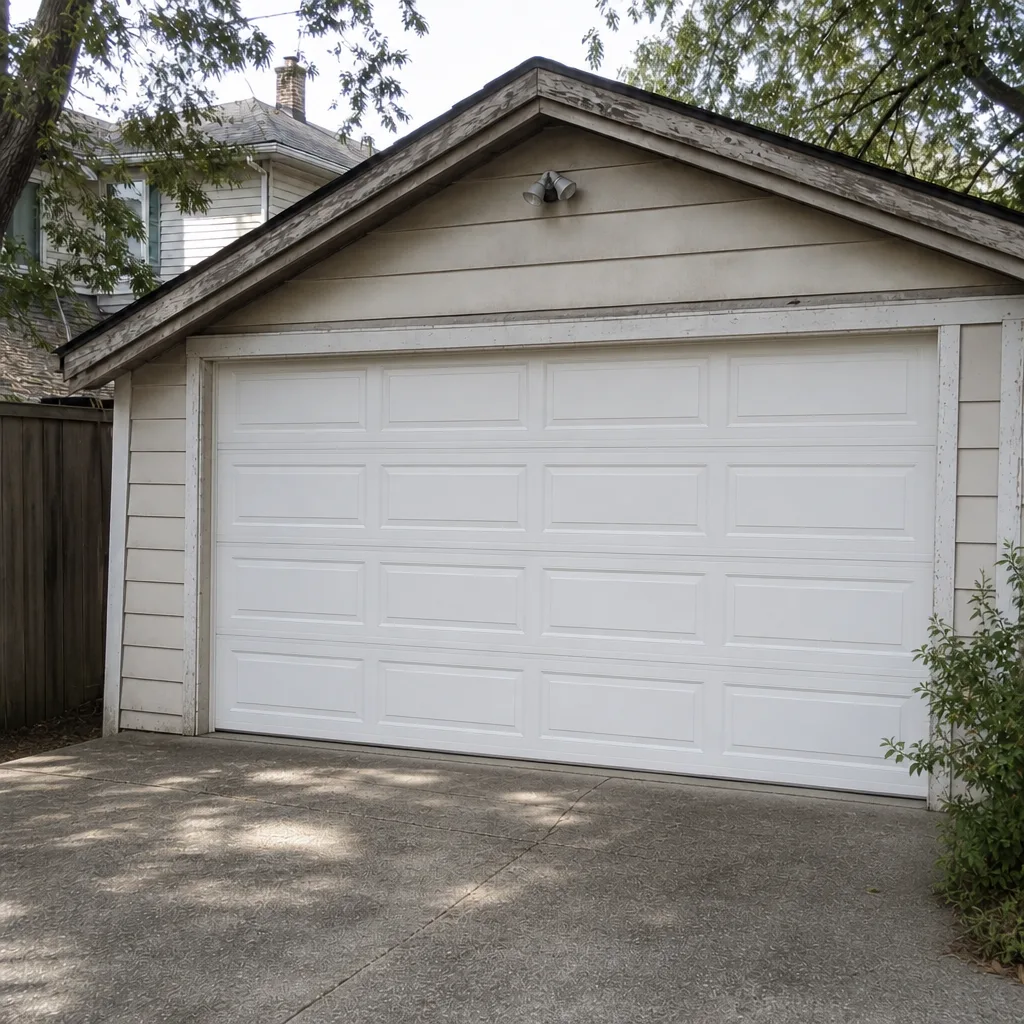
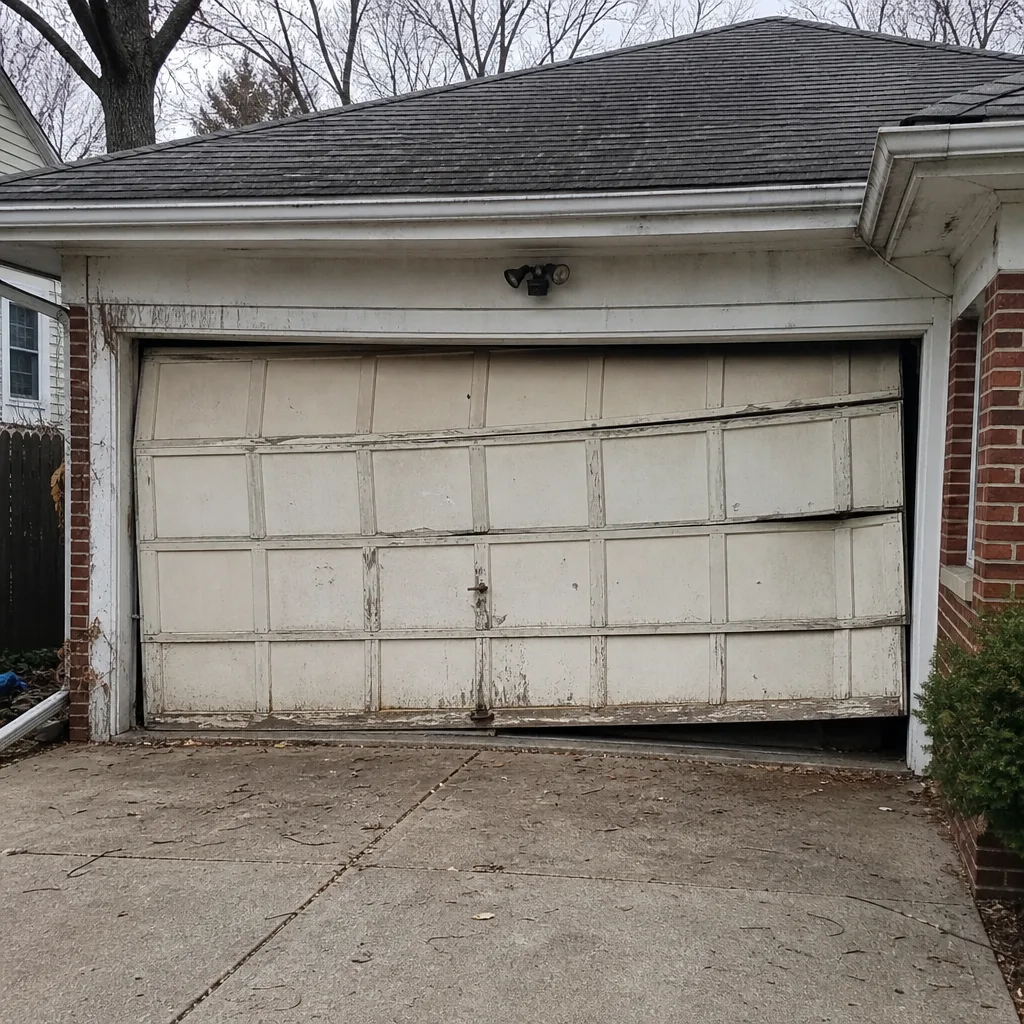
See the difference
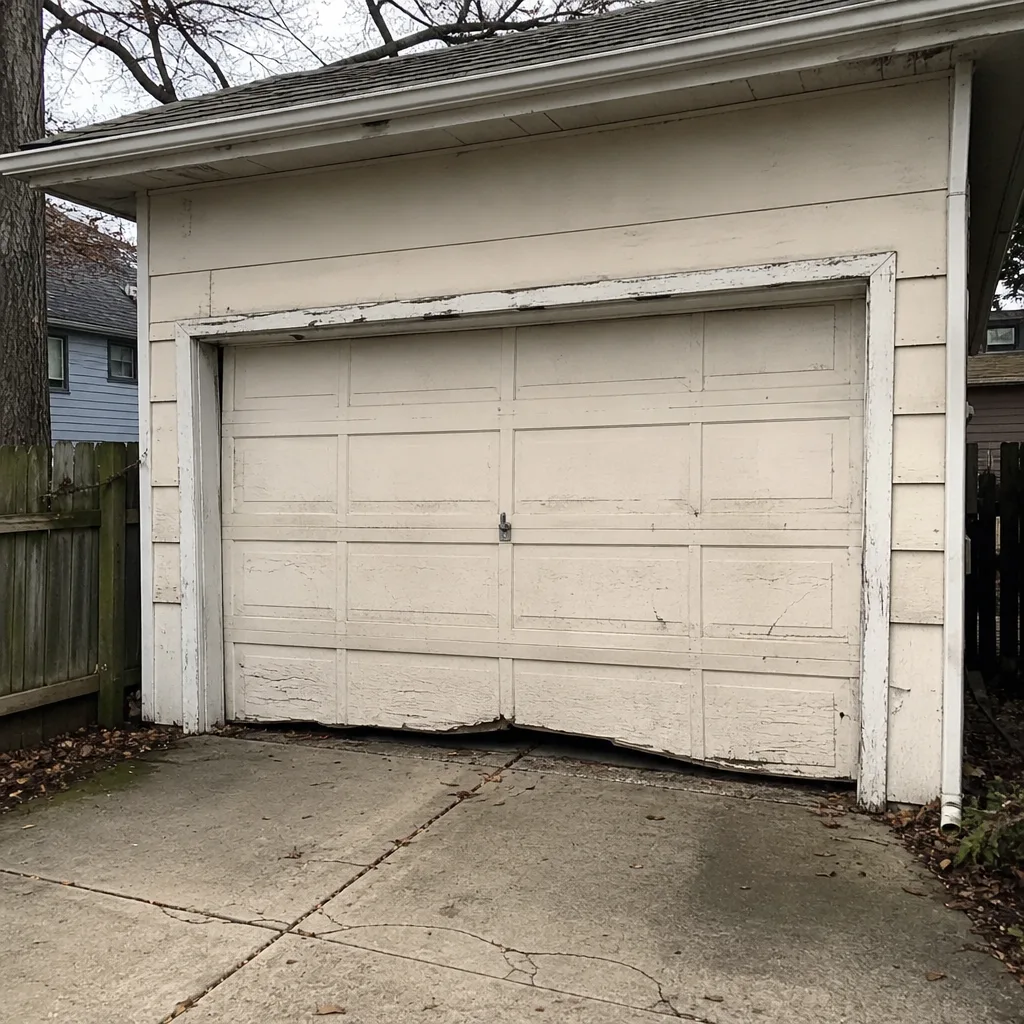 Before
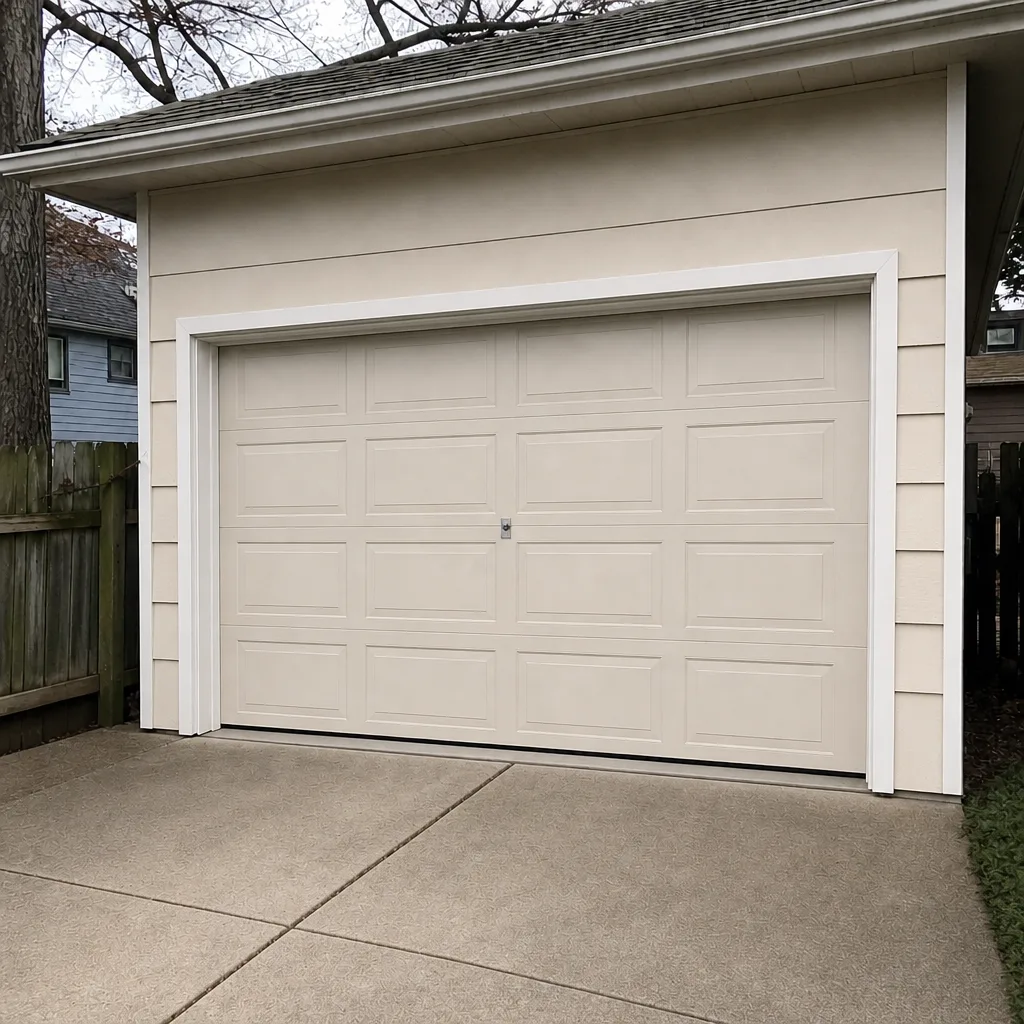 After
 Before
 After
 Before
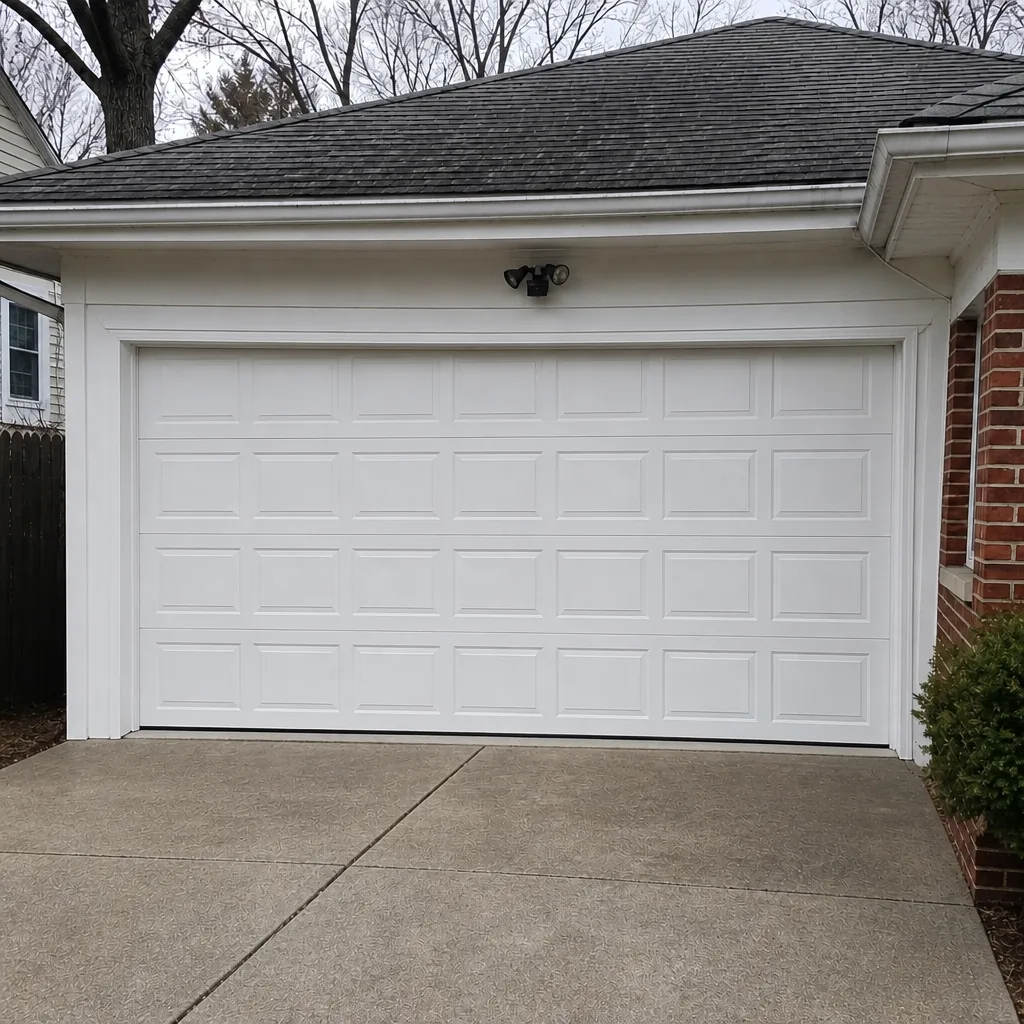 After
When to Call a Professional
Call a professional if any of the following apply. The door has a snapped or stretched spring, a lift cable that’s frayed or off the drum, a door that won’t balance when lifted by hand, a panel that’s bent or separated from its hinges, or an opener that won’t lift the door after basic troubleshooting. Also call if a car has hit the door, or if any part of the door has come off and dropped. And call if you’re not sure – the cost of an assessment is far less than the cost of a mistake.
Evanston Garage Door Repair Co offers free estimates in Evanston – call (877) 492-2506. We answer 24/7. Fast dispatch from 7am to 7pm, Sunday through Friday. The price we quote before any work starts is the price you’ll pay.
Frequently Asked Questions
No. Torsion and extension springs store a large amount of energy, and manufacturers explicitly warn against adjusting or replacing them without professional tools and training. A failed release can cause serious injury. Call (877) 492-2506 for a free estimate – that’s the safe call to make.
Legally, yes – the electrical side of opener installation isn’t restricted in Illinois. Practically, older Evanston garages often have ceiling framing that needs judgment before the mounting bracket is safe. If the framing is clear and standard, DIY is defensible. If it isn’t, book a measure and a written price with a technician.
Sometimes, sometimes not. Most policies exclude injury from “intentional acts” or “unqualified work,” but the exact language varies by carrier. Read your policy’s liability exclusions before taking on any risky repair, and call your agent if you’re unsure.
Pricing is per job and set by a written estimate. Spring pair replacement is typically the most common repair on an Evanston door, and the written quote is the price – it doesn’t change once the technician sees the door. Call (877) 492-2506 for a free estimate.
Yes. Lubrication is one of the four genuinely DIY-safe jobs on a garage door, along with photo-eye alignment, remote programming, and weatherstripping. Use a proper door lubricant, not WD-40, and apply it to the rollers, hinges, and pivot points once a season.
You end up paying for two visits instead of one. Undoing incorrect work takes longer than the original repair because the technician has to diagnose the DIY attempt first. If you’re uncertain, call before you start – (877) 492-2506 for a free estimate.
The Bottom Line
The DIY vs professional question on a garage door isn’t about self-reliance. It’s a mechanical risk assessment, and each task falls cleanly on one side or the other. Lubrication, sensor alignment, remote programming, and weatherstripping are yours to keep. Springs, cables, and bottom-bracket work belong with a trained technician because the stored energy makes a mistake dangerous. Opener installation is the gray zone: DIY is legal, but older Evanston framing often calls for judgment a manual can’t give. And when a repair goes wrong, the cost of undoing it is almost always higher than the original professional repair would have been.
If you’re not sure which side your own task falls on, one call settles it. Reach Evanston Garage Door Repair Co at (877) 492-2506 for a free estimate on any garage door repair, spring replacement, or installation in Evanston.
Written by the team at Evanston Garage Door Repair Co.